

Accurate diagnosis is essential!
Fraud-Click Monitoring
boraware active


AI CURATION
Briefly describe your symptoms
to the smart Goldman AI.
- e.g. I urinate frequently and always feel residual urine
- e.g. I feel a burning pain when I urinate
- e.g. Itchy, stinging blisters on my genitals

Interstitial Cystitis
Interstitial cystitis is harder to bear because its cause is unclear — consistent treatment restores your health.
Interstitial cystitis: even without a clear cause,
it must be treated and managed systematically.
Interstitial cystitis can be mistaken for other conditions,
and Goldman's extensive clinical experience brings clear improvement in symptoms.
and Goldman's extensive clinical experience brings clear improvement in symptoms.
SINCE 2002, the hub of AI smart healthcare
SINCE 2002, the hub of AI smart healthcare
SINCE 2002, the hub of AI smart healthcare
SINCE 2002, the hub of AI smart healthcare
What Is Interstitial Cystitis?
Interstitial cystitis is a condition in which discomfort or pain in the lower abdomen or suprapubic area develops as the bladder fills with urine.
Its hallmark is frequent daytime urination (urinary frequency),
along with waking often at night to urinate (nocturia), without an obvious cause such as a urinary tract infection.
Its hallmark is frequent daytime urination (urinary frequency),
along with waking often at night to urinate (nocturia), without an obvious cause such as a urinary tract infection.
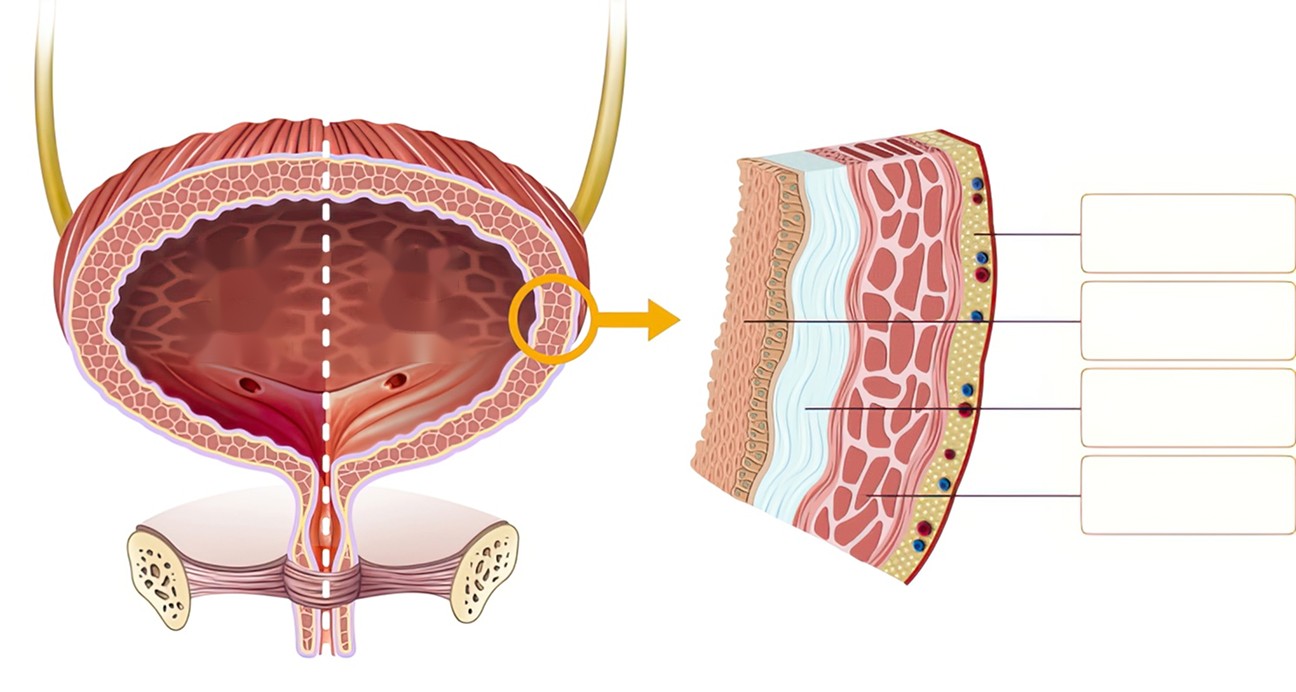
bladderFat cell layerGAG layerUrotheliumFat cell layer
-
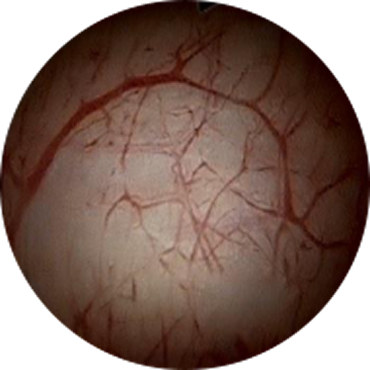
Normal Bladder
-
Normal BladderSmooth walls with no inflammation — a healthy bladder.
-
Interstitial Cystitis
Glomerulation Lesion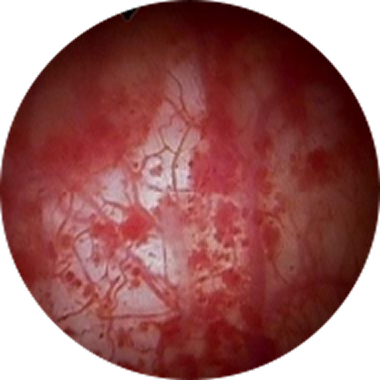
- The lining thickens unevenly, causing pain and urinary frequency.
Interstitial Cystitis
Glomerulation Lesion
-
Interstitial Cystitis
Ulcerative Lesion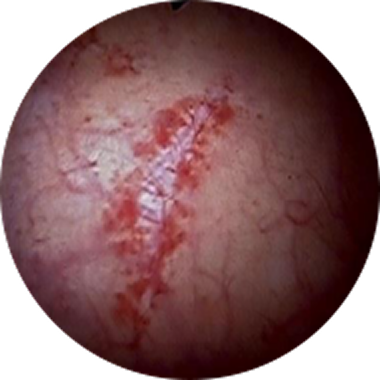
- The lining breaks down and sores (ulcers) form, causing severe pain and bleeding.
Interstitial Cystitis
Ulcerative Lesion
Interstitial cystitis:
3 key points for treatment!
We treat interstitial cystitis with accurate diagnosis, careful testing, and specialist expertise.
-
Check
-
Check
Cystoscopy is a must! -
Check
The seasoned diagnostic skill of a specialist medical team
Interstitial cystitis: why does it develop?
The cause of interstitial cystitis is not fully clear, but a range of factors, including damage to the bladder lining, nerve inflammation, and autoimmune abnormalities, are known to act together.
-
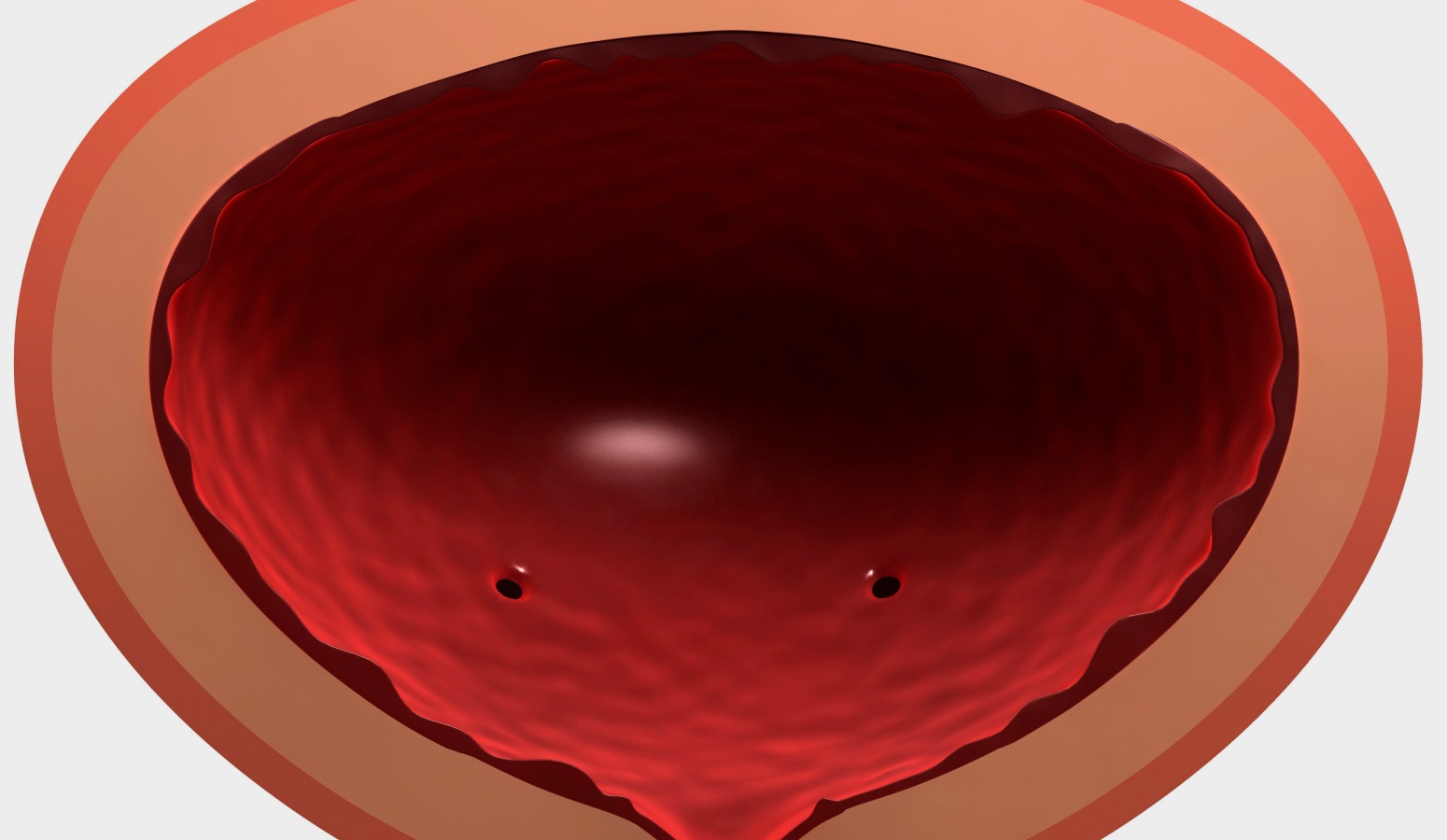
Defects in the bladder epithelium
When the bladder's inner wall is damaged, irritants in the urine penetrate easily
and can cause inflammation and pain. -
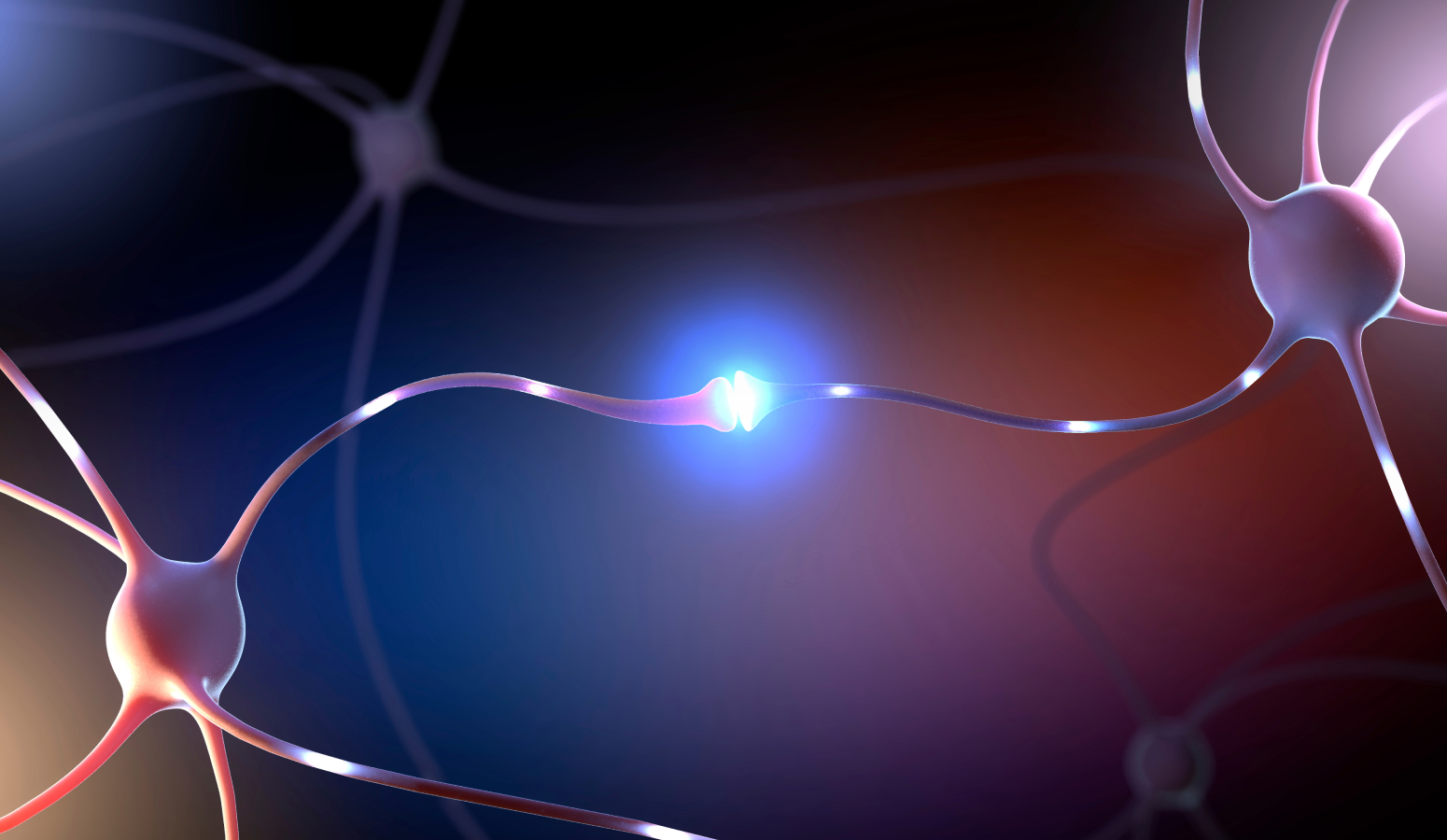
Neurogenic inflammation
An abnormality in the bladder's nervous system can trigger an excessive
inflammatory response, making the pain worse. -
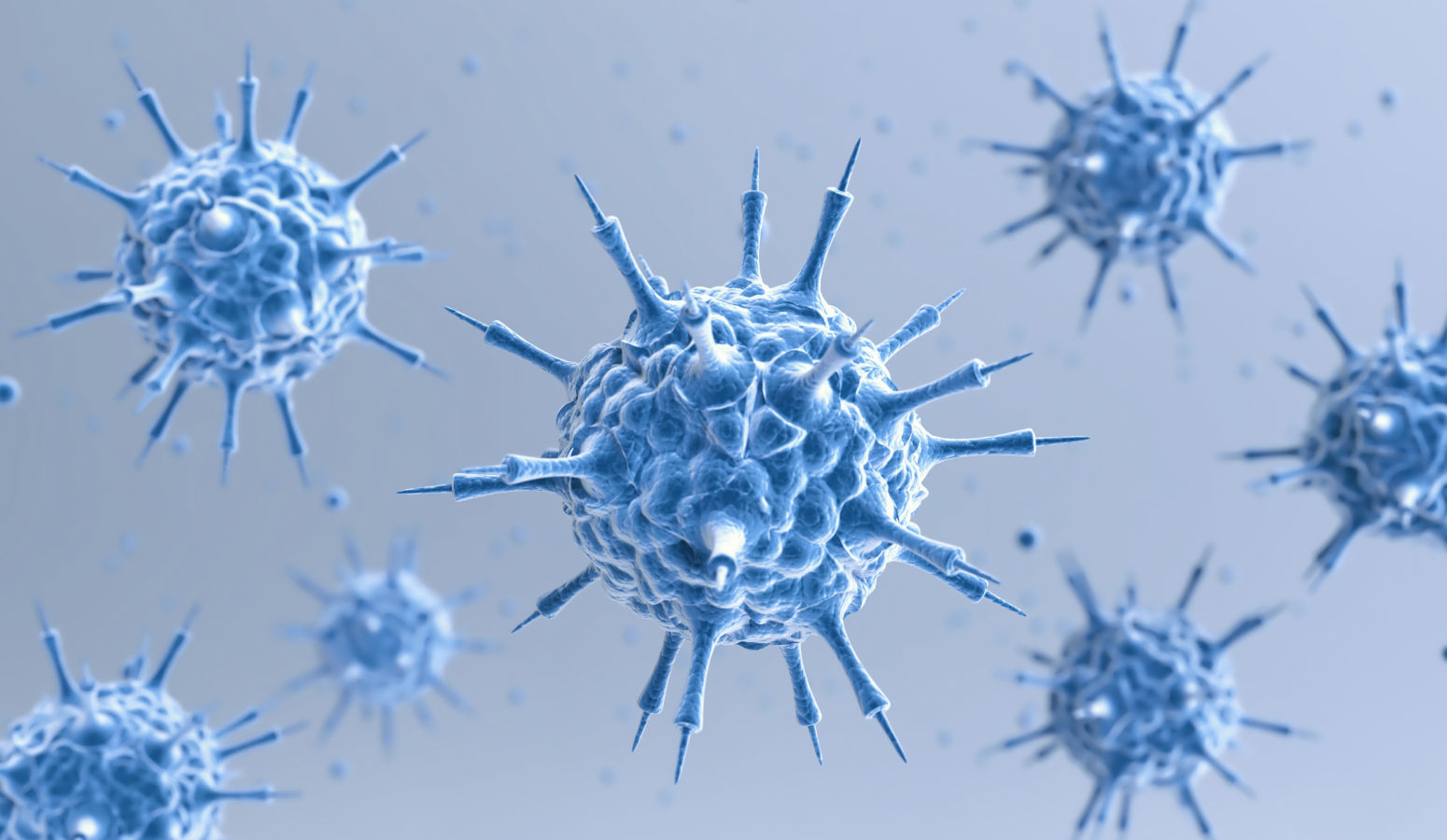
Autoimmune reaction
The immune system may attack the bladder's own tissue,
which can lead to chronic inflammation. -
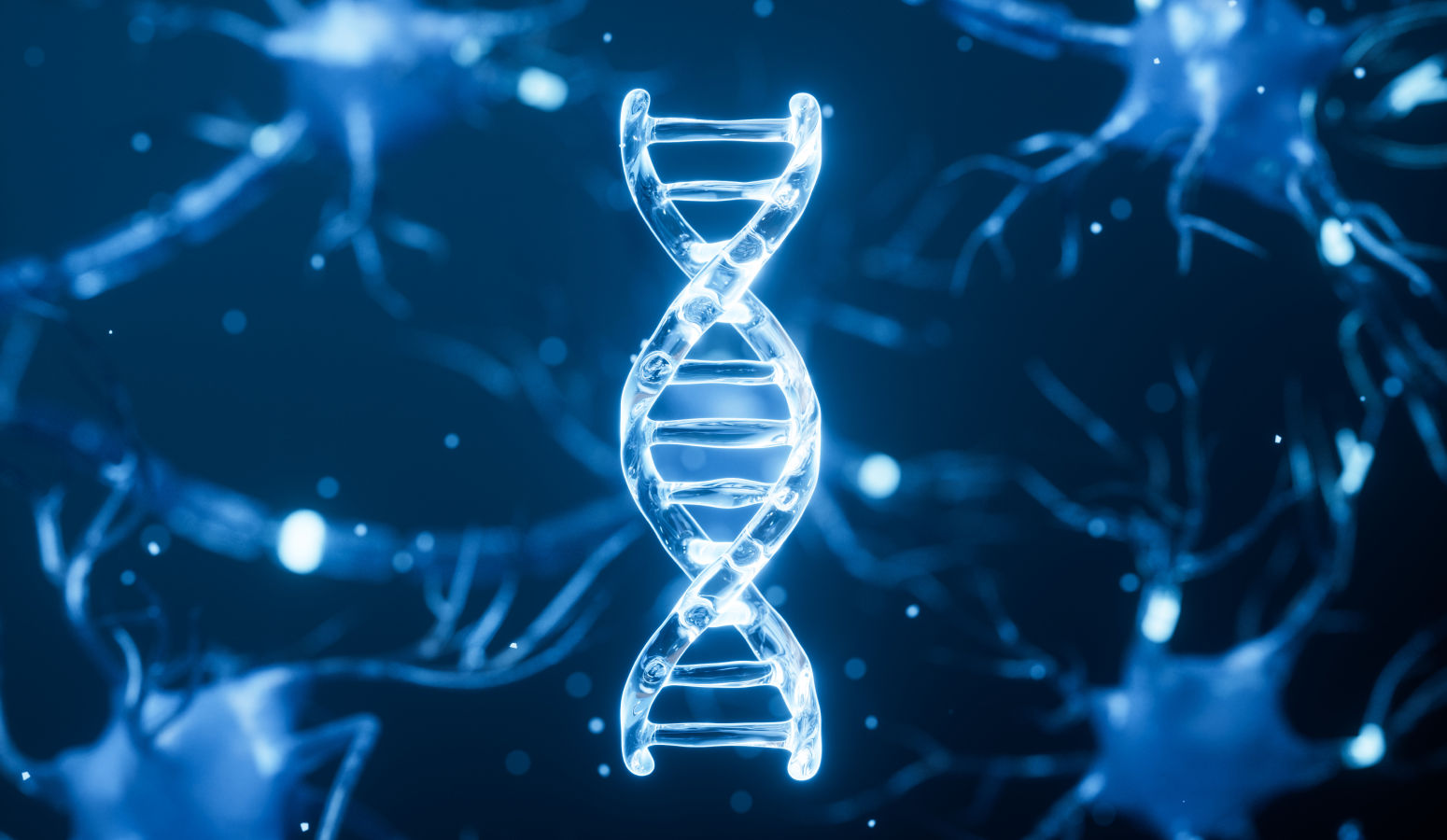
Other factors
Infection with a virus, exposure to toxic substances, and genetic factors
can act together to raise the risk of developing the condition.

Interstitial cystitis:
what symptoms come with it?
-
Chronic Pain
Lower abdominal, bladder, back, and urethral pain may accompany the condition. -
Frequency
The number of times you urinate increases. -
Urinary Urgency
A strong urge to urinate that is hard to hold back. -
Psychological Stress
Emotional distress such as anxiety about urination and depressed mood may appear. -
Low Mood and Depression
Pain and poor sleep may bring low mood and depression. -
Fatigue and Reduced Concentration
Pain and sleep disturbance may cause patients to report fatigue and reduced concentration.
Diagnosing interstitial cystitis:
what methods are used?
Interstitial cystitis is a chronic condition, so we use a range of tests such as urine tests, cystoscopy, and PCR
to diagnose it accurately and distinguish it from other conditions.
to diagnose it accurately and distinguish it from other conditions.

Medical interview and physical examination
A basic check of voiding habits, symptom onset, and pain location, done first when interstitial cystitis is suspected.
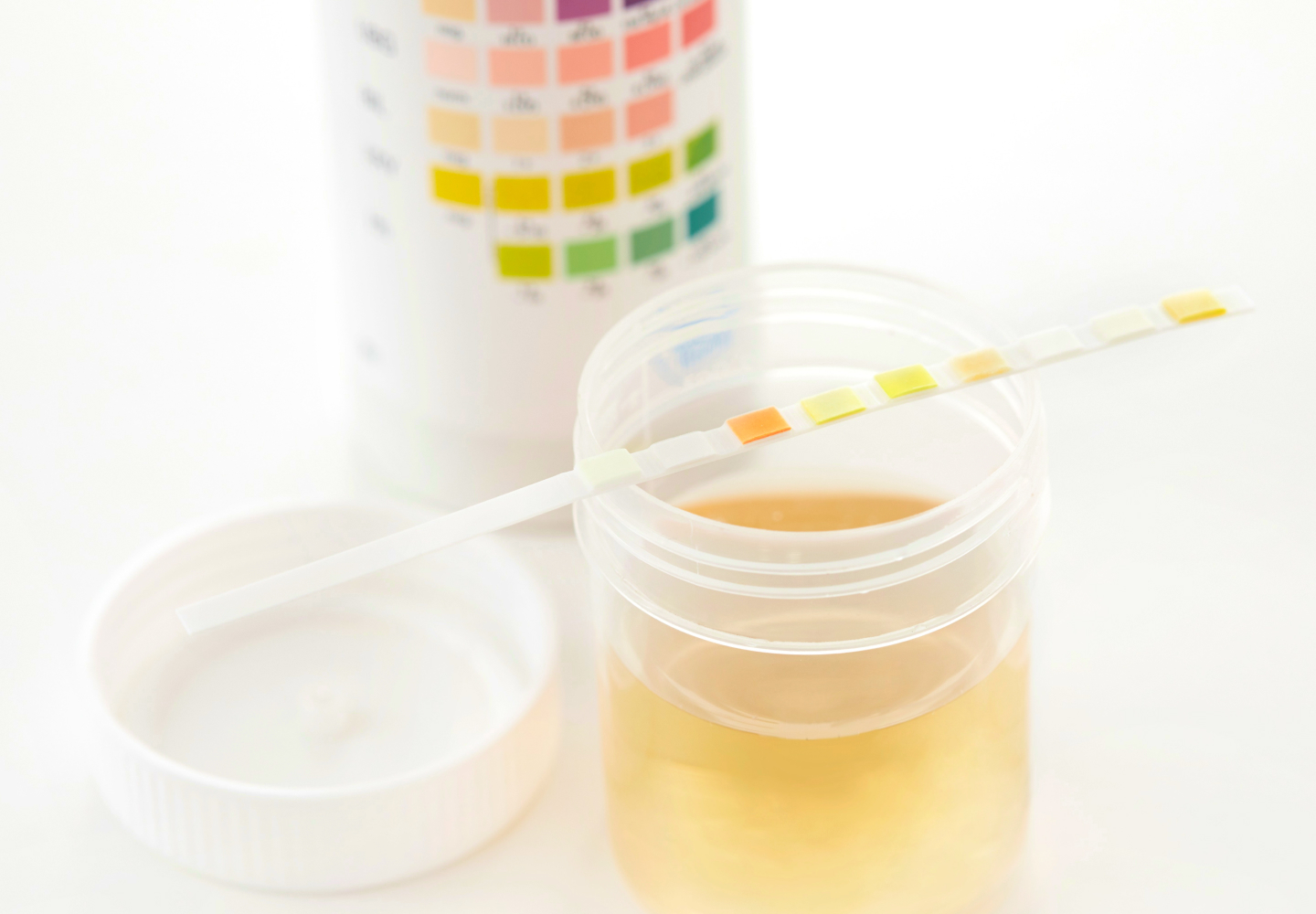
Urinalysis
Checks urine for bacteria, pyuria, and hematuria to rule out bacterial cystitis.
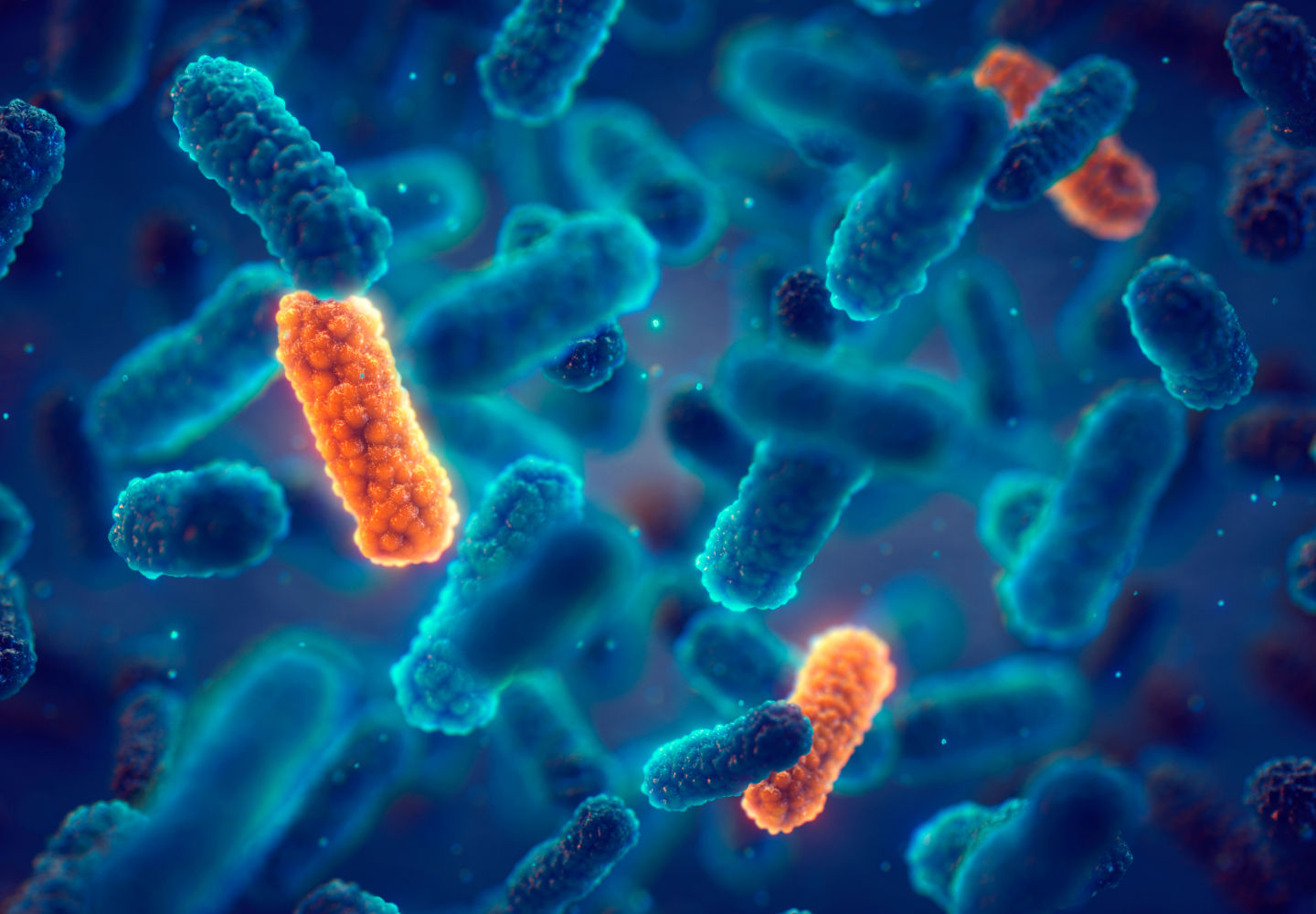
Urine Culture
Urine bacteria are cultured to check for infection, a key test for telling interstitial from bacterial cystitis.
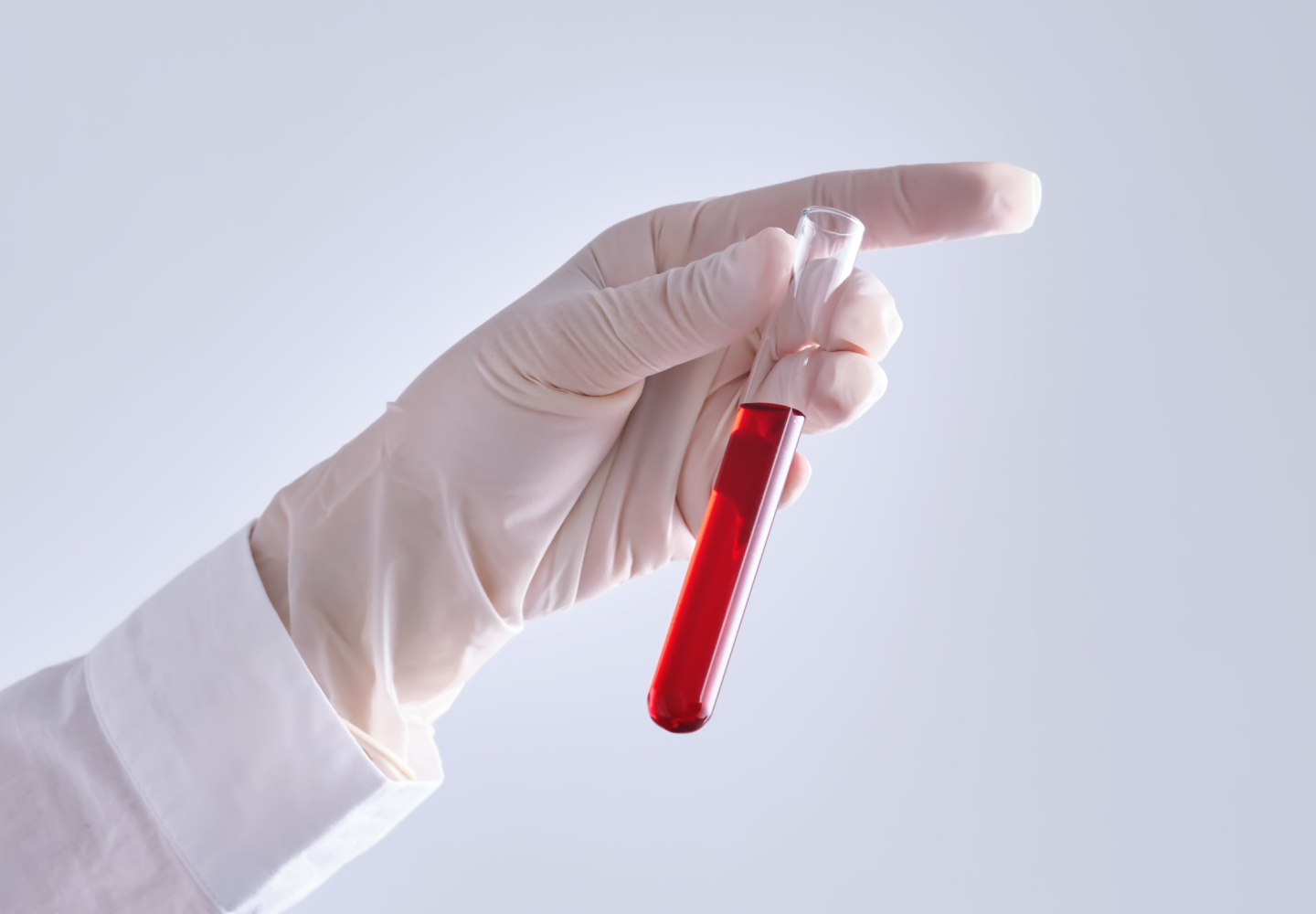
Differential Diagnosis Through PCR Testing
A precise test that detects even trace bacteria or viruses, separating bacterial infection from possible interstitial cystitis.
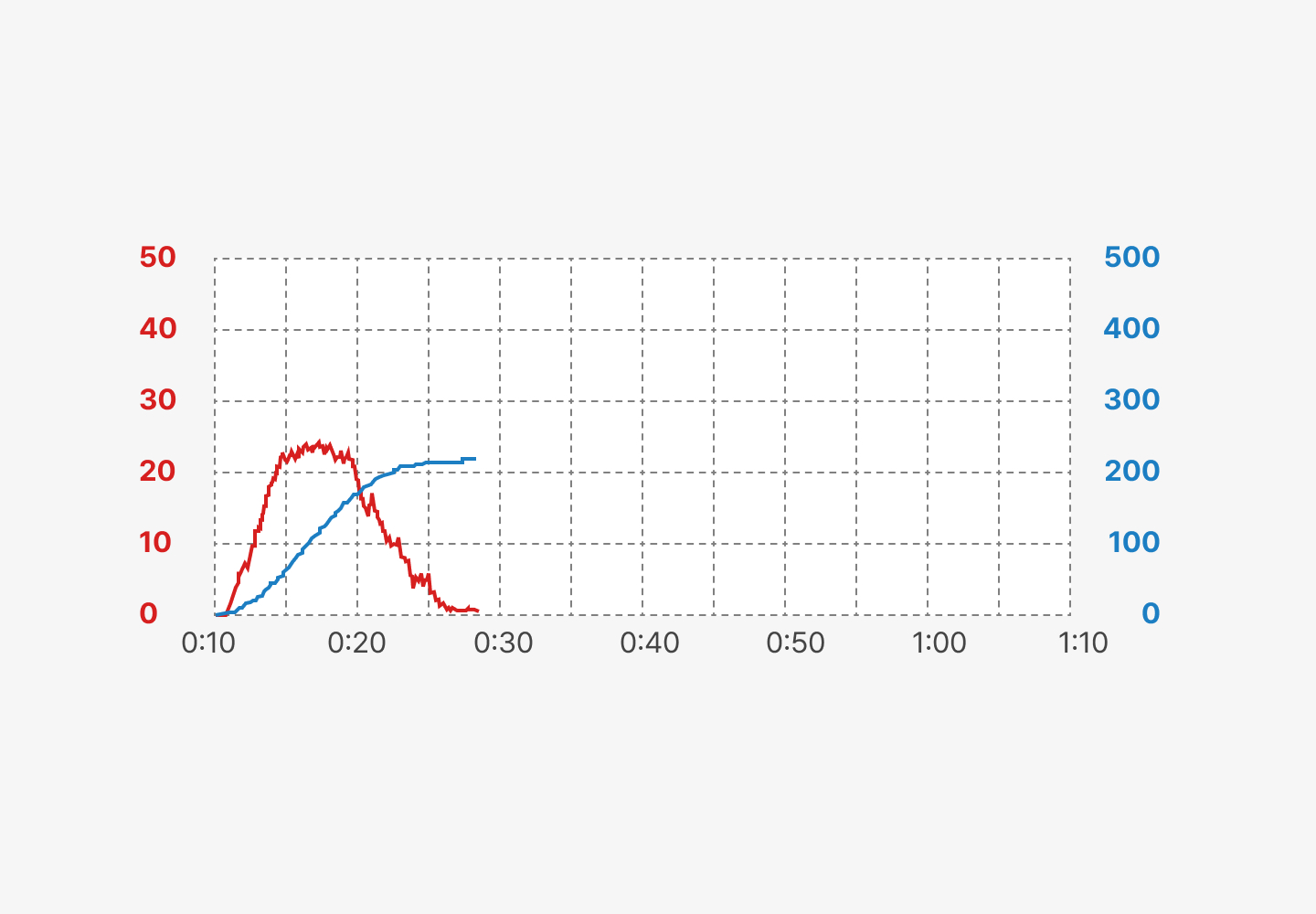
Uroflowmetry and Post-Void Residual Measurement
Measures urine left after voiding to assess voiding function and bladder condition.
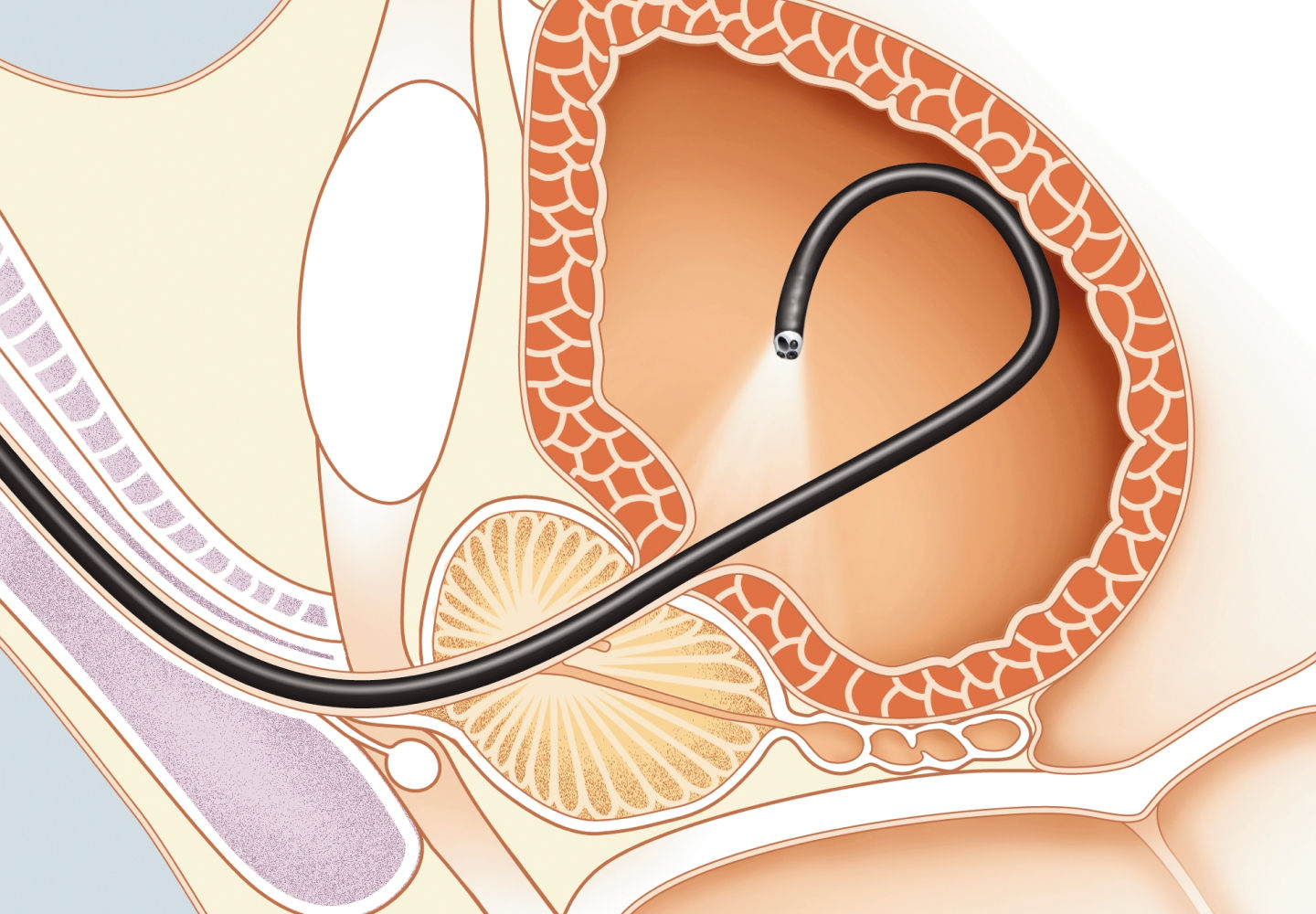
Cystoscopy
Directly views the bladder for signs of interstitial cystitis, such as ulcers and mucosal lesions.
Treating interstitial cystitis:
how does it work?
Treatment for interstitial cystitis ranges from behavioral therapy to medication, intravesical instillation, and surgery,
and because symptoms can alternately improve and worsen, careful management is needed.
and because symptoms can alternately improve and worsen, careful management is needed.
Behavioral Therapy
A voiding diary helps assess symptoms, but when pain is the main complaint, bladder training alone has limited effect.Physical Therapy (Pelvic Floor Muscle Therapy)
Physical therapy that relaxes the pelvic floor muscles, effective for functional pelvic-perineal syndrome.Bladder Hydrodistension
Distends the bladder with water pressure for early interstitial cystitis. The effect is temporary, so it must be repeated. Medication Therapy
Pentosan polysulfate sodium (PPS) protects the bladder lining from toxic substances.Other
Options include Botox therapy, gene therapy, neuromodulation surgery, and surgery, all after consulting a specialist.
Intravesical Instillation Therapy: why is it so popular?
Intravesical drug instillation is a recently developed treatment, and
with far higher treatment satisfaction than oral medication, it is the most actively performed therapy.
with far higher treatment satisfaction than oral medication, it is the most actively performed therapy.
Simple procedure
Short treatment period
Rapid symptom relief
Excellent recurrence prevention

-
The GAG layer in a patient with interstitial cystitis
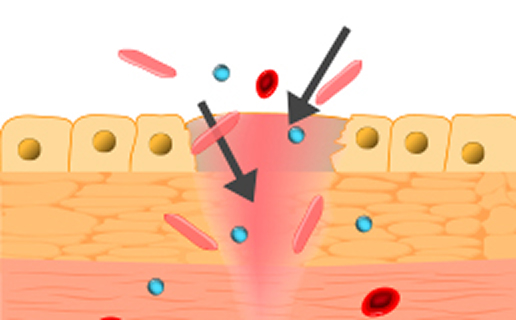
- The epithelial layer and GAG layer have broken down and
cannot block the penetration of external substances.

-
The GAG layer in a healthy person
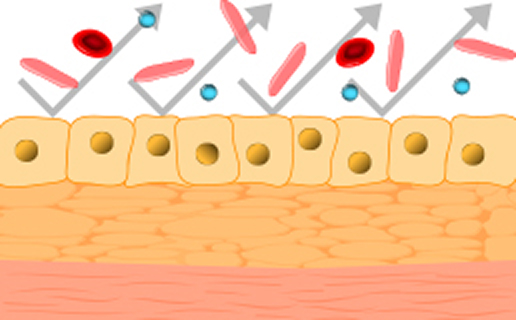
- A normal epithelial layer and GAG layer block the penetration of external substances
that irritate the bladder wall.

The GAG (glycosaminoglycan) layer protects the bladder's urothelium against invading irritants, and in many interstitial cystitis patients the GAG layer is damaged.
Intravesical drug instillation places a medication with GAG-like components into the bladder, helping the GAG layer recover.
Intravesical drug instillation places a medication with GAG-like components into the bladder, helping the GAG layer recover.


Interstitial cystitis:
Goldman takes responsibility to the very end!
With precise testing and multi-angle treatment, we control pain and recurrence to improve quality of life.
With Goldman's extensive experience and know-how, we promise a life free from worry about recurrence.
Direct Bladder Lining Regeneration Treatment
We place importance on treatment that instills medications such as Ialuril directly into the bladder to restore the damaged lining's GAG layer
and fundamentally improve bladder irritation and infection.
and fundamentally improve bladder irritation and infection.
Customized Combination Therapy
From oral medication to intravesical instillation and, when needed, surgery, we provide
multifaceted, systematic treatment tailored to each patient's condition.
multifaceted, systematic treatment tailored to each patient's condition.
Precision That Misses Nothing, Through Endoscopic Diagnosis
Cystoscopy lets us spot hallmark findings such as Hunner's ulcers and rule out other serious conditions.
Personalized Care Built on Experience and Communication
Our experienced team works closely with each patient to build the best plan for them.
Integrated Lifestyle Solutions
Diet and lifestyle changes effectively prevent recurrence of this chronic condition.
Questions about interstitial cystitis? Get answers now.
Goldman's know-how gives clear answers to patients' questions.
-
The exact cause is unknown, but bladder-lining damage, autoimmune reactions, nervous system abnormalities, and stress may act together.
-
A full cure is difficult, but consistent treatment and lifestyle changes can greatly relieve symptoms.
-
It is most common in women in their 30s to 50s, but men can develop it as well. It appears more frequently in people under heavy stress or with a hypersensitive constitution. -
Ordinary cystitis is a bacterial infection treated with antibiotics. Interstitial cystitis is chronic: symptoms recur without bacteria and treatment is long-term.
Real treatment stories
as told by patients and medical staff


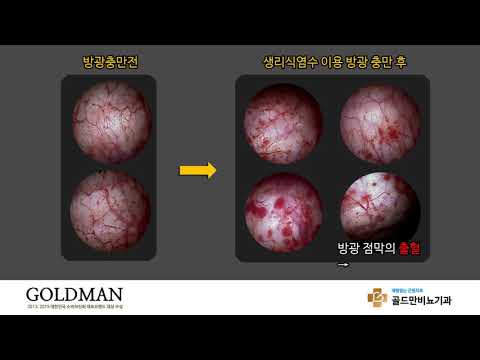
Interstitial Cystitis, Explained by the Goldman Medical Team
Reliable urology information — check it through video.
More on YouTube


Goldman Urology's Innovation News
Goldman Urology's key innovation news: latest conference presentations, research achievements, and new-technology adoption.
More Notices-
Conferences & PresentationsParticipated in the Korean Society of Urological Ultrasonography training course and certified as a center of excellence in ultrasound care — "Ultrasound is the stethoscope of urology"2026. 09. 21
-
Clinic NewsNotice: the 7th Goldman Urology Network Hospital Symposium2026. 07. 22
-
Conferences & PresentationsGoldman medical team presents and attends the SIU 2025 international urology congress2025. 11. 18
-
Conferences & PresentationsGoldman medical team attends KUA 2025, Korea's largest urology conference2025. 10. 28
-
Clinic NewsOver 10,000 patient visits a month — built on trust in Goldman Urology Clinic2025. 07. 17
It’s Advanced!
TOP 7 Reasons Goldman Leads
GOLDMAN Special 7
1
7
-
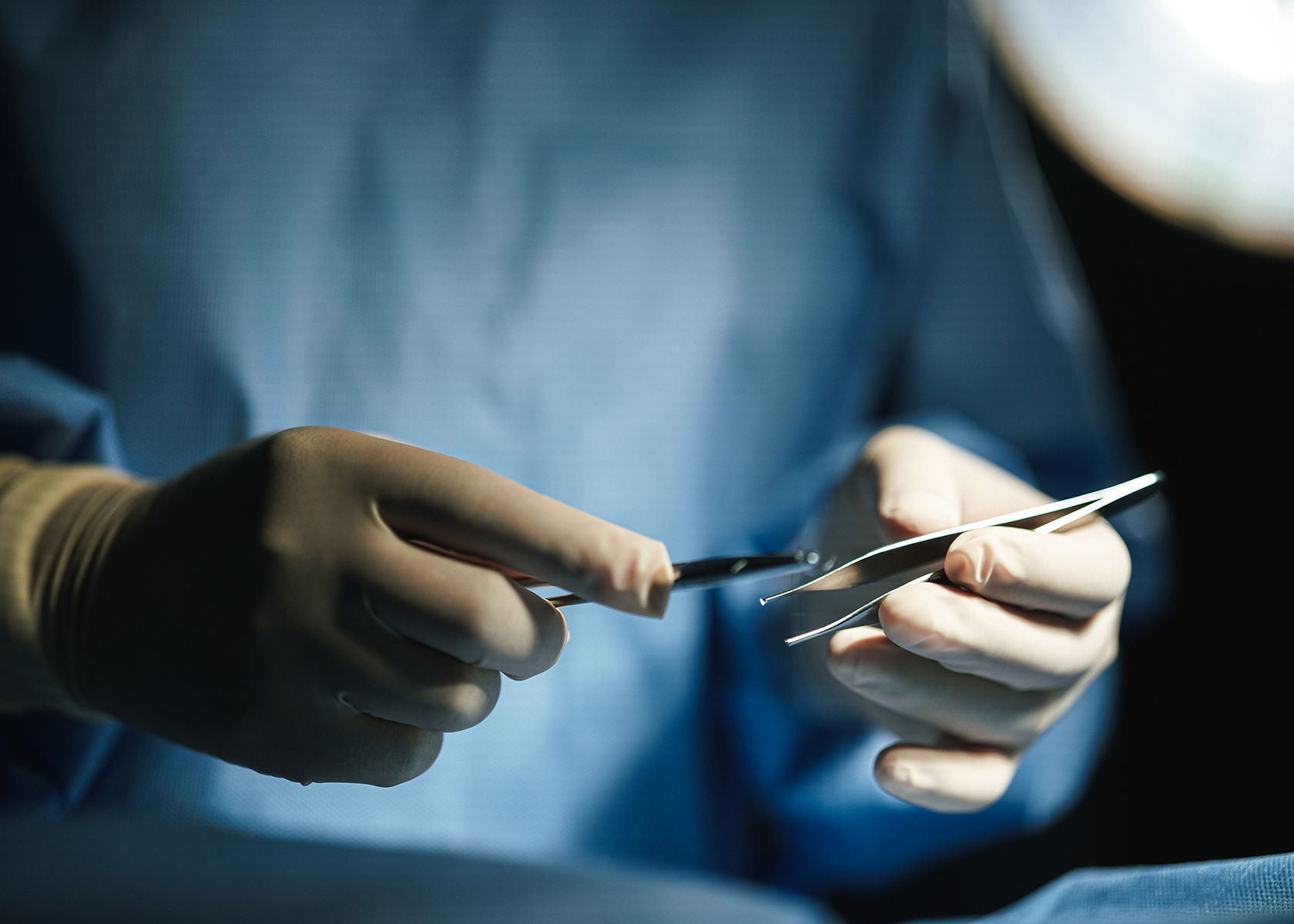 Urology Only
25 Years
1 -
 Unrivaled Treatment Data
2 Million+
2 -
 BPH Surgery Data
6,500+
3 -
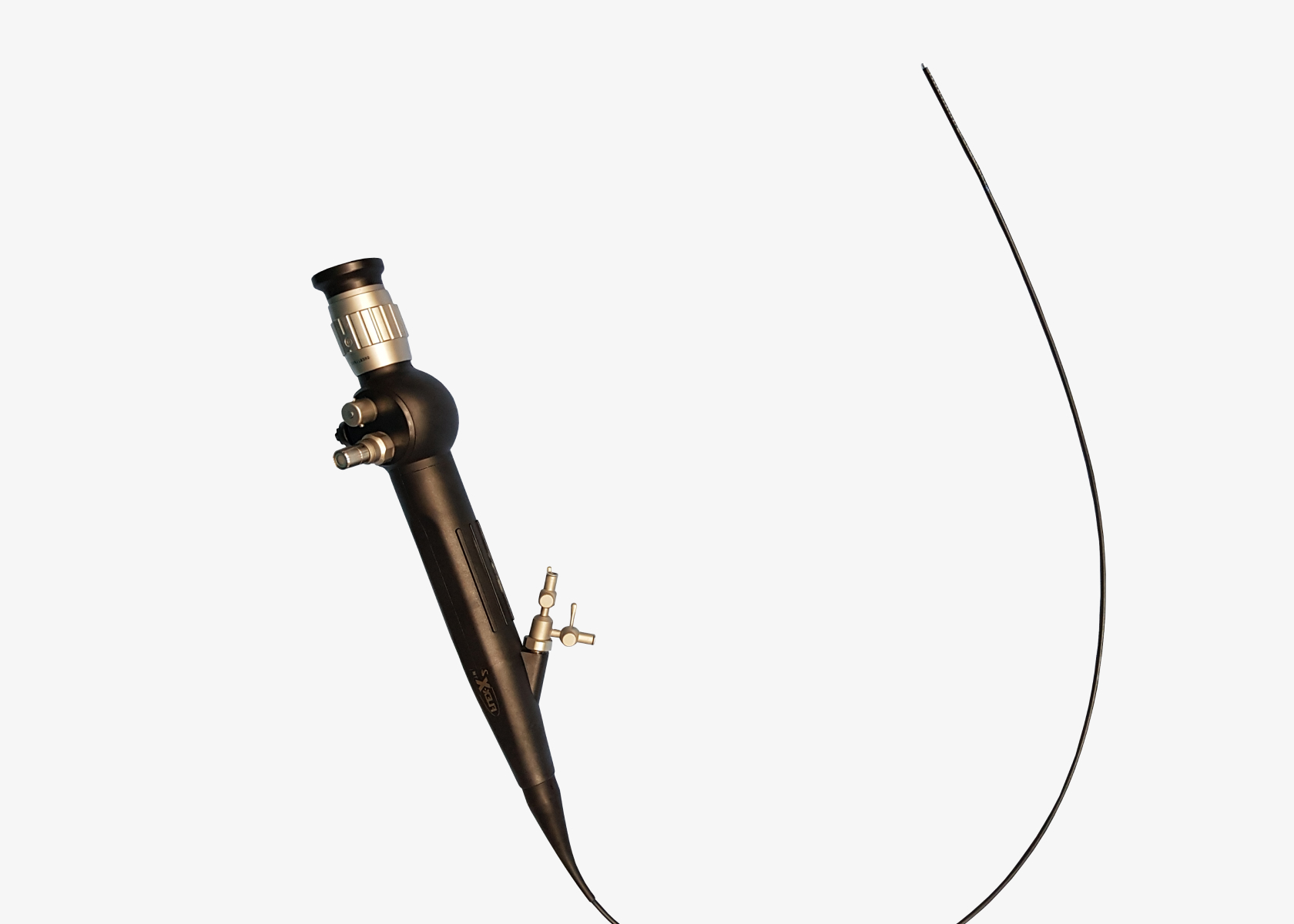 Urinary Stone Treatment Data
10,000+
4 -
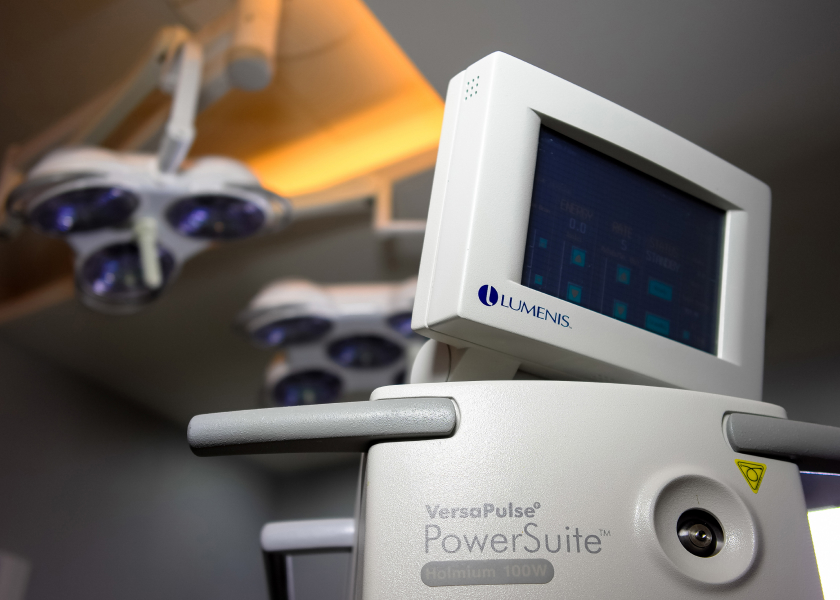 Nationwide HoLEP Surgeries
40.8% Performed
5 -
 Experienced Medical Team
25 Years of Clinical Experience
6 -
 From Diagnosis to Surgery
State-of-the-Art AI System
7


Urological concerns?
Solve them at a Goldman near you.
If you consent to the use of location information, you can find the Goldman branch closest to you.