

The first diagnosis matters!
Fraud-Click Monitoring
boraware active


AI CURATION
Briefly describe your symptoms
to the smart Goldman AI.
- e.g. I urinate frequently and always feel residual urine
- e.g. I feel a burning pain when I urinate
- e.g. Itchy, stinging blisters on my genitals

Cystitis
At Goldman, we use multi-angle combination therapy to eliminate cystitis right down to the root of its recurrence.
Cystitis that keeps coming back:
only proper treatment can stop it.
Treatment that only quiets the symptoms cannot prevent recurrence.
From diagnosis to treatment, Goldman sets a new standard in cystitis care.
From diagnosis to treatment, Goldman sets a new standard in cystitis care.
SINCE 2002, the hub of AI smart healthcare
SINCE 2002, the hub of AI smart healthcare
SINCE 2002, the hub of AI smart healthcare
SINCE 2002, the hub of AI smart healthcare
What Is Cystitis?
Cystitis refers to a condition in which the bladder becomes inflamed due to a bacterial infection, with no anatomical or functional abnormality of the urinary tract.
Goldman approaches cystitis not as a simple infection but as an umbrella term for bladder disorders, including various forms of voiding dysfunction.
Goldman approaches cystitis not as a simple infection but as an umbrella term for bladder disorders, including various forms of voiding dysfunction.
-

Normal Bladder
A healthy bladder: smooth walls, no inflammation -

Inflamed bladder
An inflamed bladder with thickened, congested walls
Cystitis: 3 key points
for preventing recurrence!
We treat interstitial cystitis with accurate diagnosis, careful testing, and specialist expertise.
-
Check
-
Check
See treatment through to the end! -
Check
Managing your immunity is essential!
Cystitis: is it really as common as 'the common cold for women'?
Cystitis is so common in women that it is called 'the women's cold', and as of 2023, about 94% of patients were women.
It is especially common in middle-aged and older women, mainly because of the anatomical structure of the urethra and hormonal changes, among other factors.
It is especially common in middle-aged and older women, mainly because of the anatomical structure of the urethra and hormonal changes, among other factors.
Share of cystitis patients by sex and age group
* Source: Healthcare Bigdata Hub (2023)

Cystitis: why are women more prone to it?
Cystitis occurs more often in women because of anatomical and physiological factors such as the shorter female urethra, the environment around it, and hormonal changes during pregnancy and menopause.
It is not life-threatening, but the pain and voiding discomfort lower quality of life, so early diagnosis and treatment are important.
It is not life-threatening, but the pain and voiding discomfort lower quality of life, so early diagnosis and treatment are important.
-

A short urethra
The female urethra averages about 4 cm, far shorter than the male urethra (18 cm),
so bacteria can quickly reach the bladder, raising the risk of cystitis. -

The environment around the urethra
The female urethral opening is close to the anus and vagina, allowing bacteria to move easily,
so the likelihood of cystitis is higher depending on sexual activity and hygiene. -

Hormonal changes
Female hormonal changes during the menstrual cycle, pregnancy, and menopause weaken the urethral lining,
which can lower its defenses against bacteria. -

Urination habits and hygiene
Holding urine for too long or incomplete voiding creates an environment where bacteria can remain and multiply in the bladder,
and poor hygiene also increases the risk of recurrent cystitis.
Types and causes of cystitis:
how do they differ?
Cystitis can progress from simple inflammation to recurrent or complicated forms, and bacterial infection, weakened immunity,
lifestyle habits, and other factors all play a part. Treatment must be tailored to the type and severity of symptoms.
lifestyle habits, and other factors all play a part. Treatment must be tailored to the type and severity of symptoms.
-

Simple cystitis
Occurs briefly in otherwise healthy women, mainly from bacteria such as E. coli, staphylococci, or enterococci. Cystitis after intercourse is also rising. -

Complicated cystitis
Arises from weakened immunity or drug-resistant bacteria; treatment is harder when diabetes or kidney disease is also present. -

Recurrent cystitis
Two or more episodes in 6 months, or three or more in a year, is defined as recurrent cystitis.

Cystitis:
what symptoms come with it?
If a woman experiences one or more of these symptoms, cystitis is highly likely.
If these symptoms appear, it is important to get examined and receive treatment suited to cystitis.
If these symptoms appear, it is important to get examined and receive treatment suited to cystitis.
-
Painful urination
A burning sensation when urinating. -
Frequency
The number of times you urinate increases. -
Urgency
A sudden strong urge to urinate that is difficult to hold. -
Hematuria
Blood in the urine turns it reddish. -
Pain in the pubic area
Inflammation is accompanied by pain in the pubic area and lower abdomen. -
Foul-smelling urine
The urine has an unpleasant odor.
Cystitis diagnosis:
what methods are used?
Cystitis can be treated without recurrence only when its exact cause is identified.
Goldman was the first urology clinic in Korea to introduce PCR testing and has accumulated more than 400,000 clinical data records over 19 years
to precisely diagnose the causative organism. Start effective cystitis treatment and recurrence prevention at Goldman.
Goldman was the first urology clinic in Korea to introduce PCR testing and has accumulated more than 400,000 clinical data records over 19 years
to precisely diagnose the causative organism. Start effective cystitis treatment and recurrence prevention at Goldman.

Medical interview and physical examination

Urinalysis

Antibiotic Susceptibility Testing
Antibiotic susceptibility testing shows which antibiotics work against the organism, so we avoid resistant strains and tailor treatment.

Differential Diagnosis

Pain-Free Endoscopic Examination
Cystitis treatment:
how does it proceed?
Most cases of simple cystitis improve within 72 hours of antibiotic treatment.
Recurrent and complicated cystitis, however, must be managed systematically through a combined treatment solution.
Based on an accurate diagnosis, Goldman provides the treatment best suited to each patient.
Recurrent and complicated cystitis, however, must be managed systematically through a combined treatment solution.
Based on an accurate diagnosis, Goldman provides the treatment best suited to each patient.
Goldman's MULTI 8 Cystitis Treatment Points


-
 Medication TherapyWe prescribe antibiotics matched to the organism, plus medications that protect the bladder lining and relieve inflammation.
 -
 Pelvic Floor Muscle TherapyPhysical therapy such as biofeedback and soft tissue massage helps relax the pelvic floor muscles and relieve pain.
 -
 Intravesical Drug Instillation TherapyMedication instilled directly into the bladder protects its lining and repairs damaged epithelial cells.
 -
 Treatment of Hunner's Ulcers & GlomerulationsEndoscopic surgery removes ulcerative lesions inside the bladder, effectively relieving pain.
 -
 Bladder HydrodistensionHydraulic pressure distends the bladder to relieve voiding difficulty.
 -
 Bladder Botox InjectionBotox injected into the bladder detrusor muscle improves frequency, urgency, and pain.
 -
 Immune-Boosting Therapy for CystitisMedications and injections that regulate and boost immunity reduce cystitis recurrence.
 -
 Behavioral Modification TherapyDietary control and stress management prevent voiding symptoms from worsening.
 -
 Female Hormone (Estrogen) SupplementationAfter menopause, falling hormones weaken the vaginal lining and raise cystitis risk; female hormones applied at this stage help prevent recurrence.
 -
 Immune-Boosting TherapyProbiotics and immune-boosting supplements increase good gut bacteria and protect the urinary tract, helping prevent recurrence.


It’s Advanced! Cystitis treatment:
the BIG 5 reasons Goldman leads the way
When voiding dysfunction or pain occurs, the recurrence rate depends on how thoroughly it is treated.
With thorough testing and a recurrence-prevention care program, Goldman aims for treatment without recurrence.
Goldman's answer to your trust is completed through a distinctive treatment experience.
Focused on urological conditions since 2002
In a private urology market focused solely on male procedures, we led the way on urological diseases.
An Unrivaled 2 Million Clinical Cases
Focusing solely on urological conditions since 2002, we hold over 2 million clinical records.
Multi 8 Multi-Angle Customized Treatment
Intravesical instillation therapy (Ialuril, heparin), hydrodistension, Botox, and more — through multi-angle customized treatment, we treat even recurrent and complicated cystitis.
Accurate diagnosis through cystoscopy
With pain-free cystoscopy, Goldman closely examines the bladder for ulcerative lesions and other findings.
Immune boosting, hormone supplementation, and lifestyle education that prevent recurrence!
To prevent cystitis from recurring, immune management and lifestyle education are essential.
Questions about cystitis? Get answers here.
Goldman's know-how gives clear answers to patients' questions.
-
Mild symptoms may seem likely to pass on their own, but antibiotics without an accurate diagnosis, or no treatment at all, can make cystitis chronic. Even simple cases need a urinalysis and clinic consultation to prevent recurrence. -
Cystitis recurs easily even after treatment, due to lifestyle habits, sexual activity, or bladder function problems. It recurs most often when immunity is weak or a person is prone to bacterial infection. Preventing recurrence means finding the underlying cause, then applying tailored treatment. -
Hormonal shifts alter the vaginal environment, and with lower immunity this can lead to cystitis. Around the menstrual cycle the body is more vulnerable to outside bacteria, so hygiene and prevention matter. If it keeps recurring, see a specialist. -
Drink enough fluids, don't hold in urine, and wipe front to back after urinating. Stay clean before and after intercourse. If it keeps recurring, add bladder function testing or tailored preventive treatment.
Real treatment stories
as told by patients and medical staff


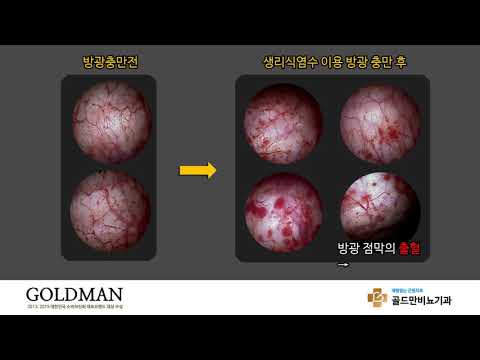

Cystitis, explained by the Goldman medical team
Reliable urology information — check it through video.
More on YouTube


Goldman Urology's Innovation News
Goldman Urology's key innovation news: latest conference presentations, research achievements, and new-technology adoption.
More Notices-
Conferences & PresentationsParticipated in the Korean Society of Urological Ultrasonography training course and certified as a center of excellence in ultrasound care — "Ultrasound is the stethoscope of urology"2026. 09. 21
-
Clinic NewsNotice: the 7th Goldman Urology Network Hospital Symposium2026. 07. 22
-
Conferences & PresentationsGoldman medical team presents and attends the SIU 2025 international urology congress2025. 11. 18
-
Conferences & PresentationsGoldman medical team attends KUA 2025, Korea's largest urology conference2025. 10. 28
-
Clinic NewsOver 10,000 patient visits a month — built on trust in Goldman Urology Clinic2025. 07. 17
It’s Advanced!
TOP 7 Reasons Goldman Leads
GOLDMAN Special 7
1
7
-
 Urology Only
25 Years
1 -
 Unrivaled Treatment Data
2 Million+
2 -
 BPH Surgery Data
6,500+
3 -
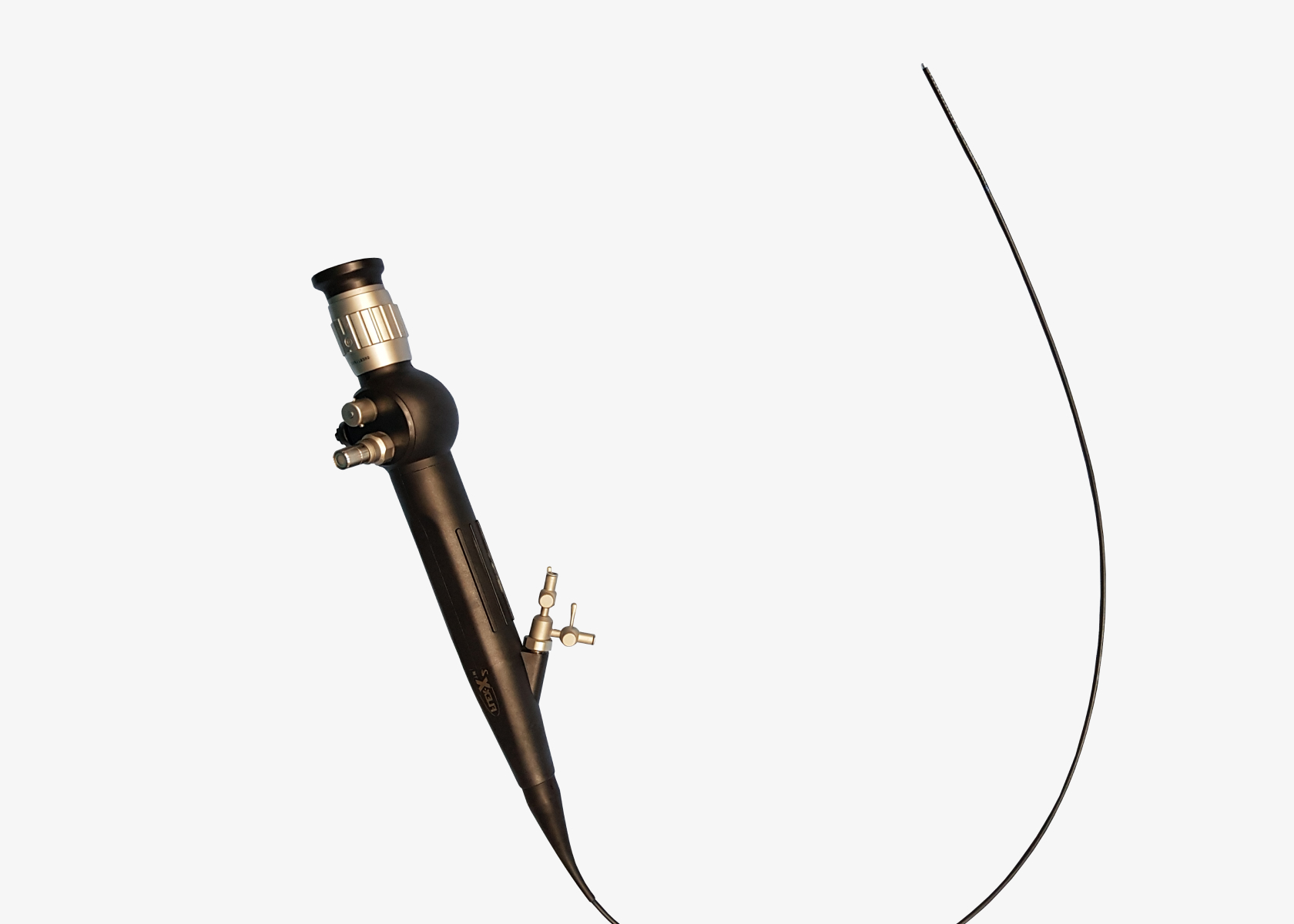 Urinary Stone Treatment Data
10,000+
4 -
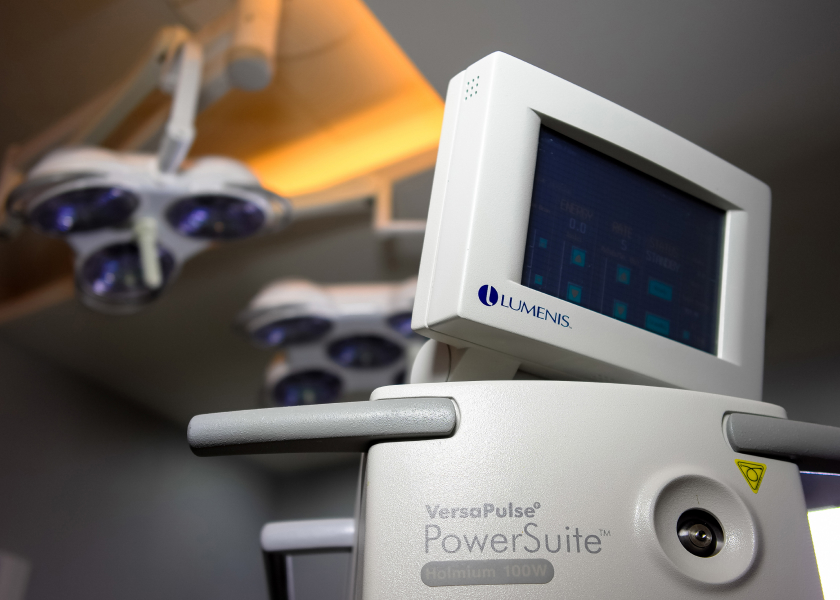 Nationwide HoLEP Surgeries
40.8% Performed
5 -
 Experienced Medical Team
25 Years of Clinical Experience
6 -
 From Diagnosis to Surgery
State-of-the-Art AI System
7


Urological concerns?
Solve them at a Goldman near you.
If you consent to the use of location information, you can find the Goldman branch closest to you.