Locations
Fraud-Click Monitoring

boraware active

Request a Phone Consultation

Select Location *
Name *
Contact *
Preferred Contact Time *
Please write your inquiry. (100 characters max) *
Goldman Urology AI curation background image Goldman Urology AI curation background image
Goldman Urology AI curation icon

AI CURATION

Briefly describe your symptoms
to the smart Goldman AI.

Enter your question.
  • e.g. I urinate frequently and always feel residual urine
  • e.g. I feel a burning pain when I urinate
  • e.g. Itchy, stinging blisters on my genitals

Ureteroscopic Stone Removal (URS)

Stones are removed directly by endoscope, with the approach chosen by location and size.

For stones that lithotripsy could not resolve,
ureteroscopy is a safe alternative.

Lithotripsy is attempted when a stone is large or accompanied by pain or infection,
but if repeated sessions fail to remove it or its location is unfavorable, ureteroscopy is more effective.

SINCE 2002, the hub of AI smart healthcare

SINCE 2002, the hub of AI smart healthcare

SINCE 2002, the hub of AI smart healthcare

SINCE 2002, the hub of AI smart healthcare

Ureteroscopic stone removal (URS): when is it needed?

For stones that are hard to remove with lithotripsy or that keep recurring, Ureteroscopic Stone Removal (URS) is recommended as the safer and more effective treatment.
  • Man experiencing abdominal pain
    Lithotripsy has failed
    3 times or more
  • 3D illustration of kidney stones
    A stone in a location
    that is difficult to treat with lithotripsy
  • Urination symbol image
    Low urine pressure
    due to hydronephrosis
  • Stone
    Hard stones that lithotripsy
    cannot break
  • Stone illustration
    Stones that are impacted or lodged
    and cannot pass
  • Multiple stones illustration
    Stones that are too large or too small,
    or multiple stones

The latest guidelines for urinary stone treatment

The latest ureteroscopic techniques remove ureteral and kidney stones safely and effectively.
At Goldman, advanced equipment and expertise deliver the optimal treatment tailored to each individual patient.
Rigid ureteroscope equipment

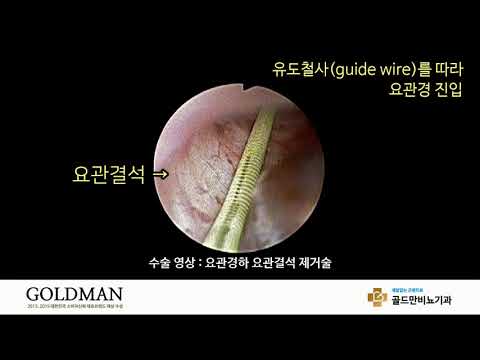
Rigid Ureteroscopic Removal of Ureteral Stones

Ureteroscopic Removal of Stone
This treatment removes stones in the ureter with a rigid ureteroscope,
safely fragmenting them with a holmium laser.

Direct stone fragmentation

Holmium laser

Incision-free procedure

Fast recovery

High success rate

Minimal complications

Flexible ureteroscope equipment

Flexible Ureteroscopic Removal of Kidney Stones

Retrograde Intrarenal Surgery
This treatment reaches inside the kidney through the urethra with a flexible ureteroscope
and safely removes stones with a holmium laser.

minimally invasive treatment

Fast recovery

Access inside the kidney

Through the urethra

Holmium laser

Suction-assisted ureteroscopic surgery

Suction-assisted ureteroscopic surgery

FANS
This latest technology fragments and suctions the stone at the same time, lowering pressure inside the kidney
and effectively reducing the risk of urinary tract infection (UTI).

Stone fragmentation and suction at once

Lower pressure inside the kidney

Minimal risk of urinary tract infection

Minimally invasive surgery

Latest endoscopic technology

Fast recovery

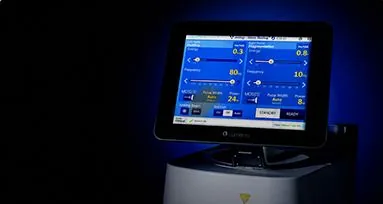
Moses system laser lithotripsy equipment

Moses system laser lithotripsy

This advanced laser treatment uses a two-stage wavelength to create a safe path around the stone
and fragments it effectively with no loss of energy.

33% less fragmentation time

20% shorter total operating time

50% less stone retropulsion

State-of-the-art laser treatment

Overcomes the limits of conventional lasers

Stones that lithotripsy can't break,
direct removal is the only sure way!

“Can a stone that won't break still be removed?”

Endoscopic equipment matched to size and location, plus our doctors' experience, makes this result possible.
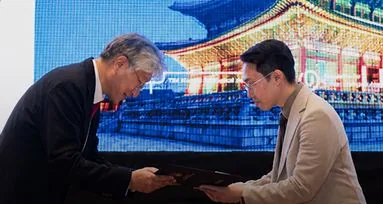
  • Recognized by international societies: Goldman's stone surgery expertise!
    01

    Recognized by international societies:
    Goldman's stone surgery expertise!

    • 100% stone surgery success rate presented at SIU 2025
    • Advanced ECIRS surgical expertise presented at KSER 2025
    • Over 2,600 stone surgeries performed annually
  • Moses system and suction endoscopes: precise stone removal!
    02

    Moses system and suction endoscopes:
    precise stone removal!

    • Moses system improves fragmentation efficiency and shortens surgery time
    • Suction ureteroscope removes even residual fragments
    • Rigid and flexible endoscopes reach even deep-seated stones
  • Advanced surgery under spinal anesthesia: same-day recovery system!
    03

    Advanced surgery under spinal anesthesia:
    same-day recovery system!

    • Even giant and impacted stones are treated under spinal anesthesia for less burden
    • 24-hour emergency care
    • Exam → surgery → recovery, all in one day
Motif image

Ureteroscopic stone removal (URS): how is it performed?

From precise imaging to laser fragmentation, stent placement, and follow-up, every step is safe and systematic.
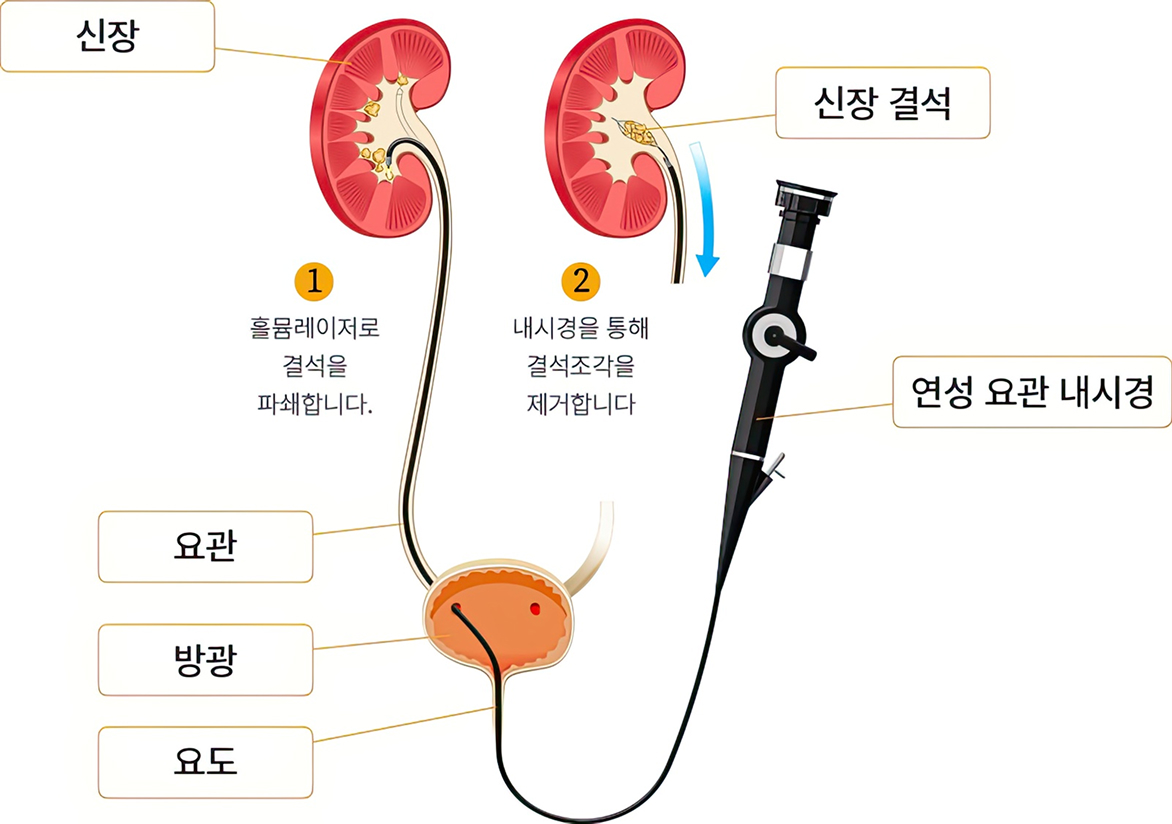
1. A holmium laser breaks up the stone. 2. Fragments are removed through the endoscope.KidneyKidney stoneFlexible ureteroscopeUreterBladderUrethraA holmium laser breaks up the stoneThe fragments are removed through the scope 1. A holmium laser breaks up the stone. 2. Fragments are removed through the endoscope.KidneyKidney stoneA holmium laser breaks up the stoneThe fragments are removed through the scopeUreterBladderFlexible ureteroscopeUrethra
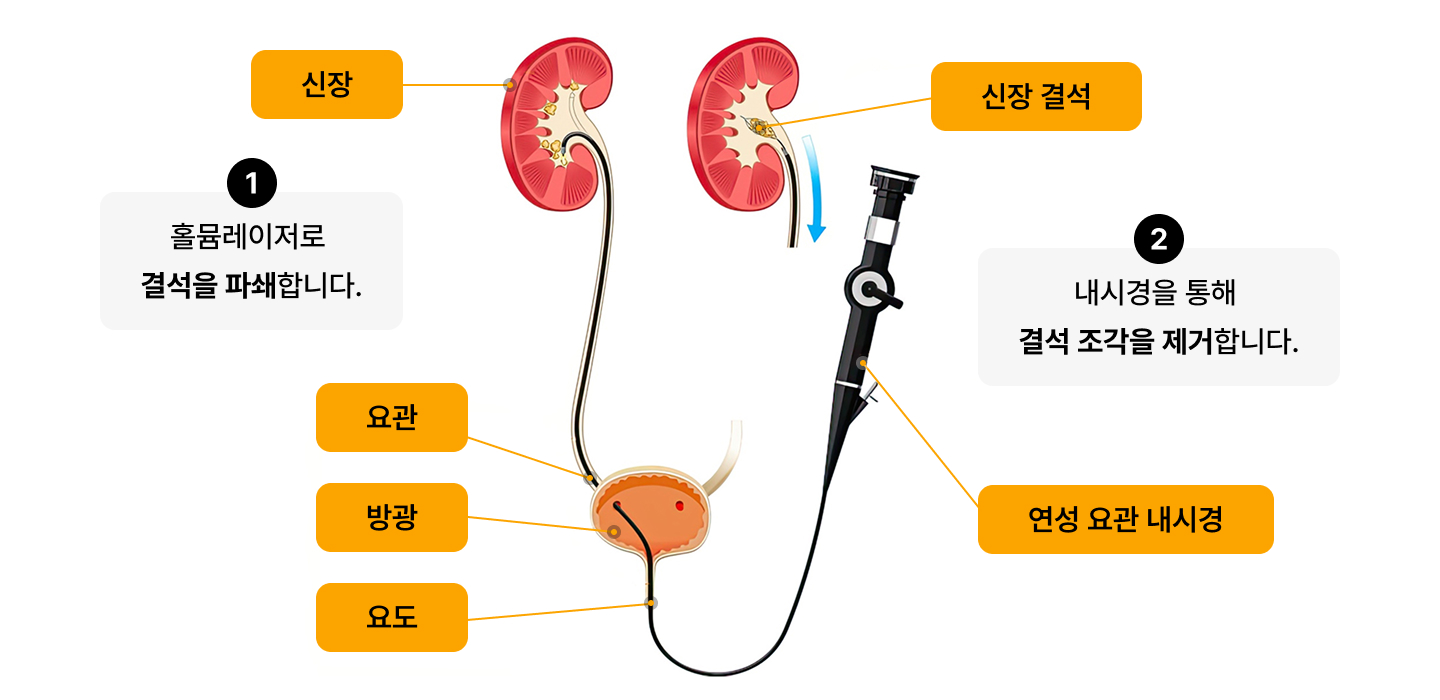
  • C-arm imaging equipment
    STEP 01
    C-arm imaging pinpoints the location of stones
    in the ureter and kidney.
  • Holmium laser
    STEP 02
    The holmium laser fragments the stone,
    and the pieces are removed as needed.
  • Ureter X-ray
    STEP 03
    A ureteral stent is placed, and it is later removed once the results have been checked.

Ureteroscopic stone removal (URS):
what are the benefits?

Pain and complications are minimized, and advanced equipment allows safe, fast, personalized treatment.
  • Medium-sized stones (4 mm–2 cm)

    Most stones are removed safely with an endoscope.
  • Minimally invasive (sedation or spinal anesthesia)

    Less pain and strain make the procedure comfortable.
  • Low risk of complications

    Damage to surrounding tissue is minimized, so safety is high.
  • Short recovery period

    Quick return to daily life after the procedure.
  • No skin incision

    Stones are removed endoscopically, with no incision.
  • Very high success rate of about 97%

    A high clearance rate lowers the risk of recurrence.

24-hour urinary stone
emergency system
in operation

Available only at the Gangnam, Seoul Station, and Jamsil branches
* Figures based on HIRA data for Goldman Urology Clinic, 2002–2024.

A track record of
over 10,000 treatments

Surgery available for
every type of stone

Nighttime treatment
available

Fast and
prompt response

3D illustration of the kidney

It’s Advanced! Ureteroscopic stone removal:
the BIG 5 reasons Goldman leads the way

Goldman is not just an option. It is the answer.
We weigh every factor, including stones that lithotripsy cannot clear, stones that keep recurring, and stones in difficult locations, to provide the most effective surgery.

An Unrivaled 2 Million Clinical Cases

Focusing solely on urological conditions since 2002, we hold over 2 million clinical records.

An overwhelming 10,000 stone treatments

On the strength of 10,000 treatments, we have built a safer, customized treatment system.

High-end equipment on par with university hospitals

With the latest 120H Moses-system holmium laser, FANS, and flexible endoscopes, we overcome the limits of endoscopic surgery.

Goldman's internationally recognized surgical capability

At international congresses we demonstrated a 100% procedure success rate (SIU, 2025) and our capability in high-difficulty stone surgery (ECIRS) (KSER, 2025).

Even high-difficulty surgery under spinal anesthesia! Complications DOWN

Even giant and multiple stones are treated under spinal rather than general anesthesia, easing the burden on patients.

Questions about Ureteroscopic Stone Removal (URS)? Get answers now.

Goldman's know-how gives clear answers to patients' questions.
  • Endoscopic surgery for urinary stones is not simply a matter of finding and removing a stone. It is important to consider the stone's size, location, and number together with the structure of the kidney, and to choose the right endoscopic equipment and surgical strategy. Even for the same stone, depending on which equipment is used and how it is approached, the removal rate and the recovery process can differ.


    Goldman Urology Clinic runs a urinary stone endoscopy clinic built on endoscopic equipment that can handle a wide range of stone types and on accumulated surgical experience. First, a variety of equipment, including rigid and flexible endoscopes as well as suction ureteroscopes and the Moses system, is used to establish a treatment strategy suited to the stone's location. This helps remove stones more precisely and reduces the likelihood of residual stones.


    We also treat not only simple stones but high-difficulty cases such as stones deep inside the kidney and complex stones, and we build treatment plans on accumulated clinical data, including surgical experience and results presented at international congresses. In particular, even giant or complex stone surgeries are performed under spinal anesthesia to reduce the treatment burden, and our 24-hour emergency care system, centered on the Gangnam, Seoul Station, and Jamsil branches, responds quickly to sudden stone pain. In addition, our One-day system links testing, surgery, and recovery in quick succession, reducing patient inconvenience and helping a fast return to daily life.


    Customized treatment with a range of endoscopes, stone surgery experience recognized at international congresses, and 24-hour emergency response define the Goldman Urinary Stone Endoscopy Clinic.

  • When choosing a hospital for endoscopic urinary stone surgery, it is important to look beyond simply removing the stone and check whether the hospital can choose the right endoscopic equipment and surgical method for the stone's location, size, and number. This is because the approach in endoscopic stone surgery changes with the stone's location, and the stone removal rate and surgical outcome can differ depending on the medical team's experience and equipment.


    Therefore, it helps to also review the following criteria.

    - Whether a board-certified urologist with endoscopic stone surgery experience provides care

    - Whether it has treated stones in various locations, including difficult cases

    - Whether it has rigid and flexible endoscopes, suction ureteroscopes, and the Moses system

    - Whether it offers post-surgical recovery care and 24-hour emergency response


    Because the endoscope and strategy vary with the stone's location, check whether a range of equipment is available and whether the hospital has the experience to treat even complex stones.


    For example, Goldman Urology uses rigid and flexible endoscopes, suction ureteroscopes, and the Moses system to match treatment to the stone's location and condition.It also presents its difficult stone surgery results at international congresses, and draws on that clinical experience to treat even complex stones.


    Difficult surgeries such as those for giant or compound stones are also done under spinal anesthesia to reduce the treatment burden, and through the 24-hour emergency care system at the Gangnam, Seoul Station, and Jamsil branches and the One-day system, testing, surgery, and recovery are quickly connected.


    A hospital with a range of endoscopes, extensive surgical experience, and 24-hour emergency response makes endoscopic stone surgery more effective and stable. 


  • Sudden, unbearable flank or abdominal pain may be a urinary stone. Stone pain often starts abruptly and does not ease when you change position.


    Severe pain, or pain with blood in the urine, nausea, or fever, needs prompt care.Visit a nearby medical facility as soon as possible.


    Goldman Urology has five branches — Gangnam, Seoul Station, Incheon, Dongtan, and Jamsil — so you can choose the one closest to you.

    If sudden pain makes it hard to travel, visiting the most easily accessible branch first is especially helpful.

    Check which branch is nearest you and come in promptly.The Gangnam, Seoul Station, and Jamsil branches are also open 24 hours. 


    📍 Branch locations and approximate distances

    Gangnam Branch: Seocho-dong | 401m from Yangjae Station Exit 1 : Gangnam 3km / Bangbae-dong 4km / Bundang 18km


    Seoul Station Branch: Jung-gu | 172m from Seoul Station Exit 3 Seongbuk-gu 6km / Yeongdeungpo 7km / Eunpyeong-gu 8km / Uijeongbu 20km / Nowon 14km


    Incheon Branch: Guwol-dong, Namdong-gu | 45m from Arts Center Station Exit 6 : Bucheon 10km / Bupyeong 6km / Songdo 8km / Cheongna 16km / Seo-gu, Incheon 14km


    Dongtan Branch: Osan-dong | about 483m from Dongtan Station Exit 2 : Anyang 22km / Bongdam 14km / Suwon 12km / Yongin 18km / Gwanggyo 14km / Gunpo 20km


    Jamsil Branch: Sincheon-dong, Songpa-gu | 283m from Jamsil Station Exit 7 : Gangdong 5km / Namyangju 14km / Munjeong-dong 3km / Misa 8km / Guri 9km / Byeollae 16km / Hanam 7km

  • Most patients are discharged within 1–2 days and can return to light activity soon after.The stent is usually removed at an outpatient visit 1–2 weeks later.

  • Side effects such as ureteral injury, bleeding, infection, or residual stones can occur in rare cases, but most are mild and temporary and resolve with proper care.

  • A stent is usually placed to prevent ureteral swelling or blockage after surgery.It may cause some discomfort but aids ureteral recovery and is easily removed at an outpatient visit after 1–2 weeks.

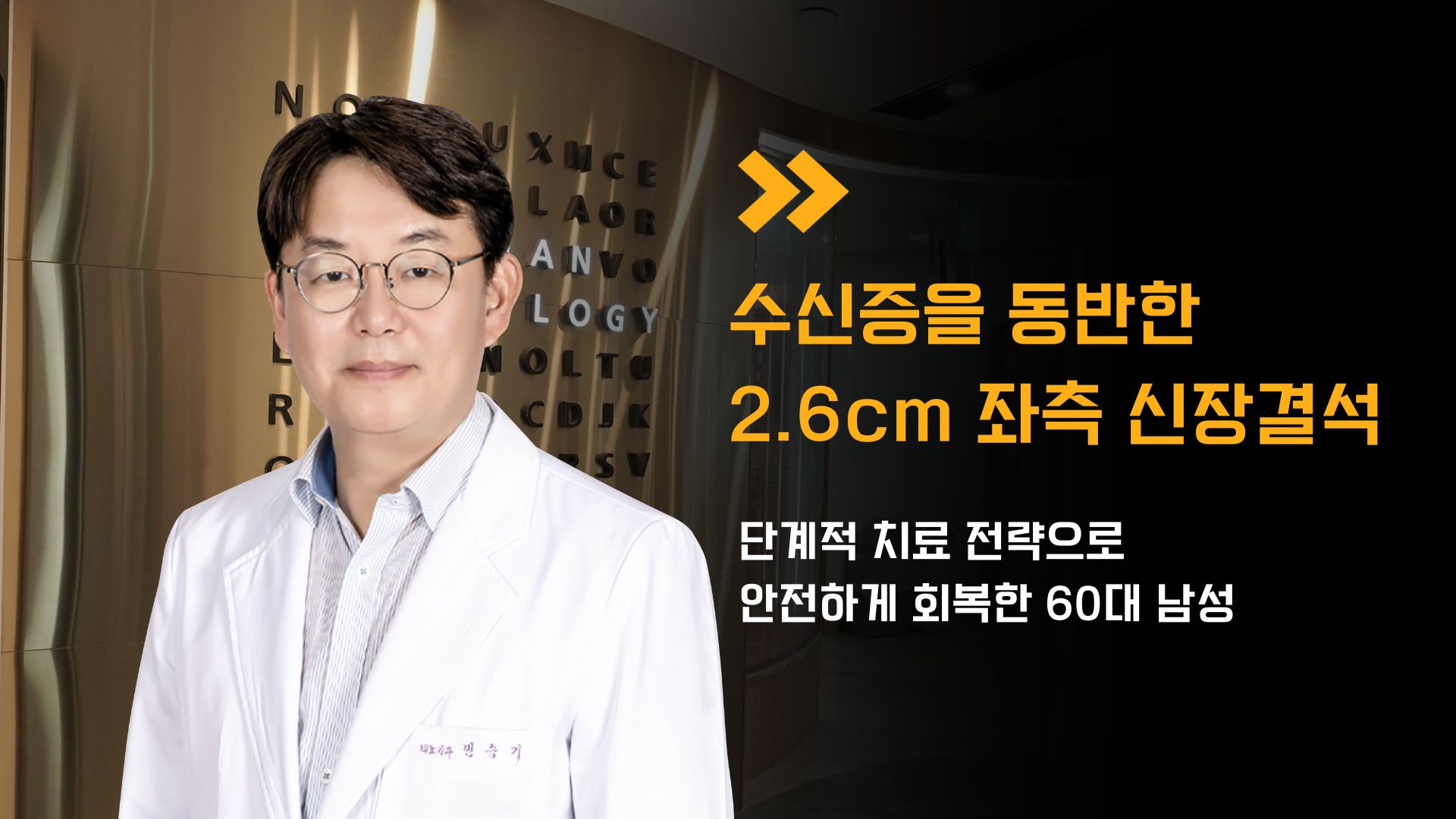
Real treatment stories
as told by patients and medical staff

From the start of treatment to recovery!Real stories build trust.

More Treatment Cases

Urological concerns?
Solve them at a Goldman near you.

If you consent to the use of location information, you can find the Goldman branch closest to you.