

When the first diagnosis is wrong
Fraud-Click Monitoring
boraware active


AI CURATION
Briefly describe your symptoms
to the smart Goldman AI.
- e.g. I urinate frequently and always feel residual urine
- e.g. I feel a burning pain when I urinate
- e.g. Itchy, stinging blisters on my genitals

Bladder Disease
If the bladder can't empty properly or is oversensitive, voiding problems follow.
Bladder disease:
breaking the cycle of recurrence depends on ‘diagnostic accuracy’.
Bladder diseases may look alike in their symptoms, but their causes vary.
Preventing recurrence requires an accurate diagnosis and systematic treatment.
Preventing recurrence requires an accurate diagnosis and systematic treatment.
SINCE 2002, the hub of AI smart healthcare
SINCE 2002, the hub of AI smart healthcare
SINCE 2002, the hub of AI smart healthcare
SINCE 2002, the hub of AI smart healthcare
What is bladder disease?
Bladder disease covers a range of conditions affecting the bladder, the organ responsible for storing and releasing urine. Common examples include cystitis, overactive bladder (OAB), and urinary retention.
It is accompanied by symptoms such as pain and a sensation of incomplete emptying, and appropriate treatment based on a precise diagnosis is essential to prevent recurrence.
It is accompanied by symptoms such as pain and a sensation of incomplete emptying, and appropriate treatment based on a precise diagnosis is essential to prevent recurrence.

Cystitis: why does it keep coming back?
Repeatedly taking antibiotics without an accurate diagnosis or stopping treatment early can progress to chronic cystitis.
Here we explain the causes of recurrent cystitis and why immunity matters.
Here we explain the causes of recurrent cystitis and why immunity matters.
Antibiotics without identifying the bacteria can leave the infection untreated. It must be told apart from conditions such as overactive bladder. - When the first treatment is wrongStopping treatment can make cystitis chronic, so the first course is critical.
- When bladder immunity is loweredLowered immunity raises cystitis risk, so manage your daily habits.

Bladder disease:
what symptoms accompany it?
It causes a wide range of symptoms, including urinary frequency, urinary urgency, dysuria, hematuria, and a sensation of incomplete emptying, bringing significant discomfort to daily life.
If symptoms recur or worsen, an accurate diagnosis is needed.
If symptoms recur or worsen, an accurate diagnosis is needed.
-
Frequency
The number of times you urinate increases. -
Urinary Urgency
A strong urge to urinate that is hard to hold back. -
Urgency
Severe urgency: urine cannot be held and small amounts leak. -
Nocturia
You wake at least once during sleep to urinate. -
Urge Incontinence
You leak urine before reaching a toilet. -
Residual Urine Sensation
You feel as if urine remains even after voiding. -
Hematuria / Painful Urination
Blood appears in the urine, or pain comes with urination. -
Urinary obstruction
Urine leaks or won't come out. -
Hesitancy
Urine does not come out right away; you have to wait a while before the stream starts.
Suspect a bladder condition?
Types · symptoms · treatments of bladder disease at a glance

What is bladder cancer?
Causes of bladder cancer
The leading cause of bladder cancer is smoking; exposure to chemicals, chronic infection, bladder stones, and radiation therapy also raise the risk.
Bladder cancer symptoms
- Frequency
- Urinary Urgency
- Urgency
- Nocturia
How Bladder Cancer Is Diagnosed
Diagnosis is confirmed mainly by cystoscopy and biopsy, weighed together with the patient's symptoms.
-
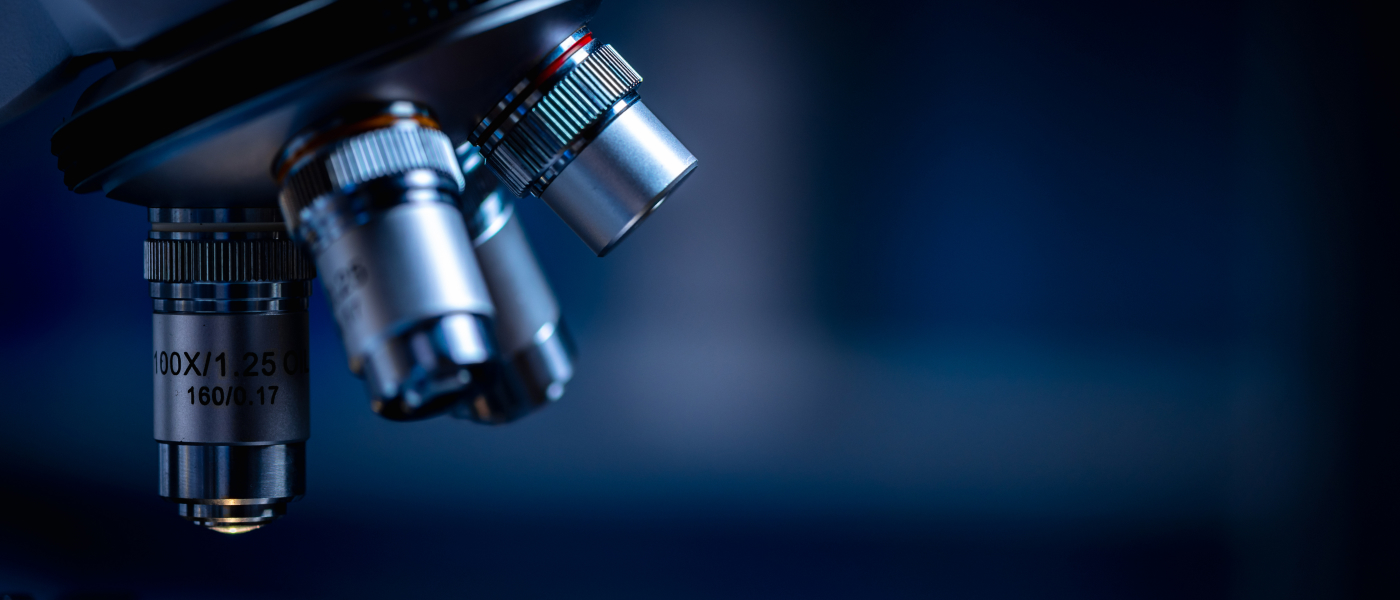 Urine cytologyA non-invasive initial screening that checks urine for malignant cells under a microscope.
 -
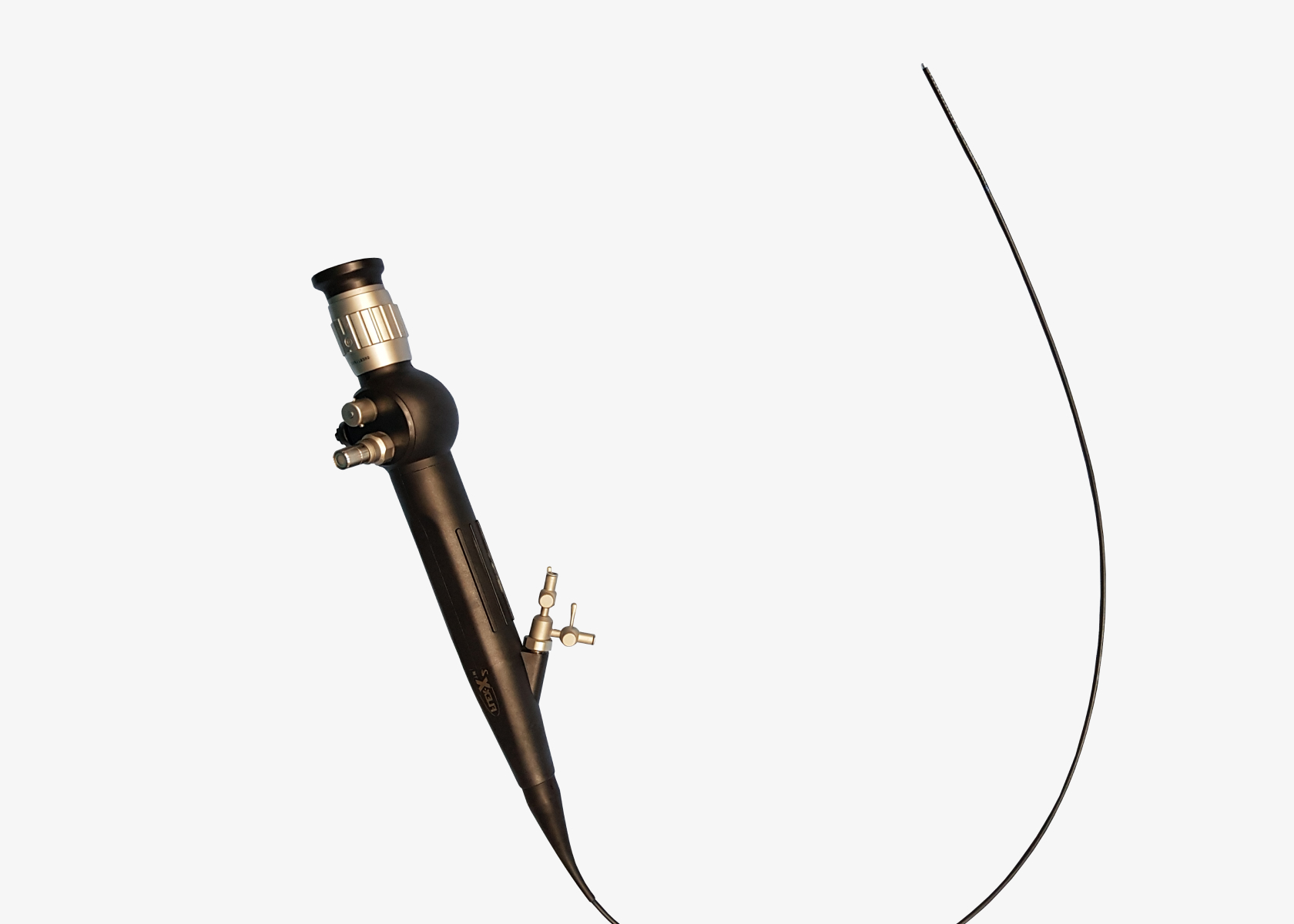
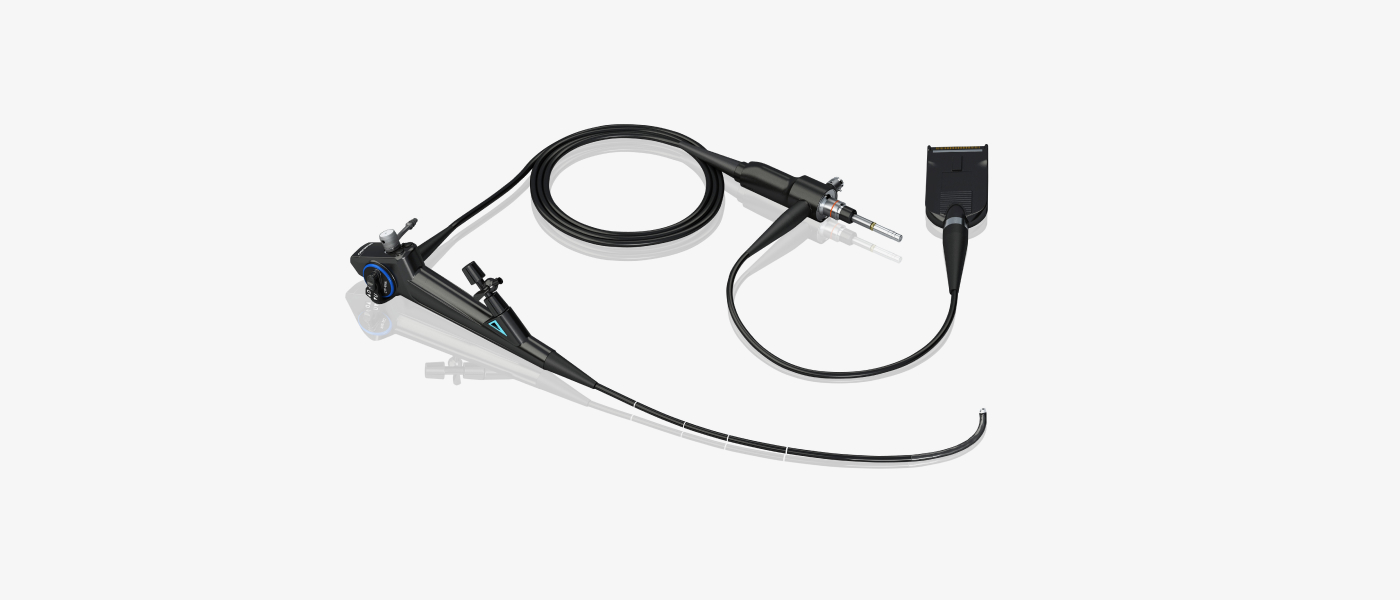 CystoscopyA confirmatory test that views the inside of the bladder and urethra directly through an endoscope


Bladder Cancer Treatments
Surgery, radiation therapy, and chemotherapy are combined by stage, aiming for a cure without recurrence.
-
PointTransurethral Resection of Bladder Tumor (TURBT)The standard treatment for non-muscle-invasive bladder cancer: the tumor is resected endoscopically via the urethra.
-
PointIntravesical Drug Instillation (BCG)BCG is instilled into the bladder to eliminate residual cancer and prevent recurrence.
-
PointRadical CystectomyComplete removal of the bladder and pelvic lymph nodes, performed for muscle-invasive bladder cancer.
-
PointRadiation & ChemotherapyUsed when surgery is difficult or adjuvant treatment is needed; side effects need careful attention.

What Is Cystitis?
Causes of Cystitis
Symptoms of Cystitis
- Painful urination
- Frequency
- Urgency
- Pain in the pubic area
- Hematuria
- Foul-smelling urine
How Cystitis Is Diagnosed
-
 Basic TestsWe assess your condition through consultation and basic tests, adding further tests if needed.
 -
 Advanced TestsTo identify the cause and type of cystitis, voiding pattern tests and differential tests are performed.
 -
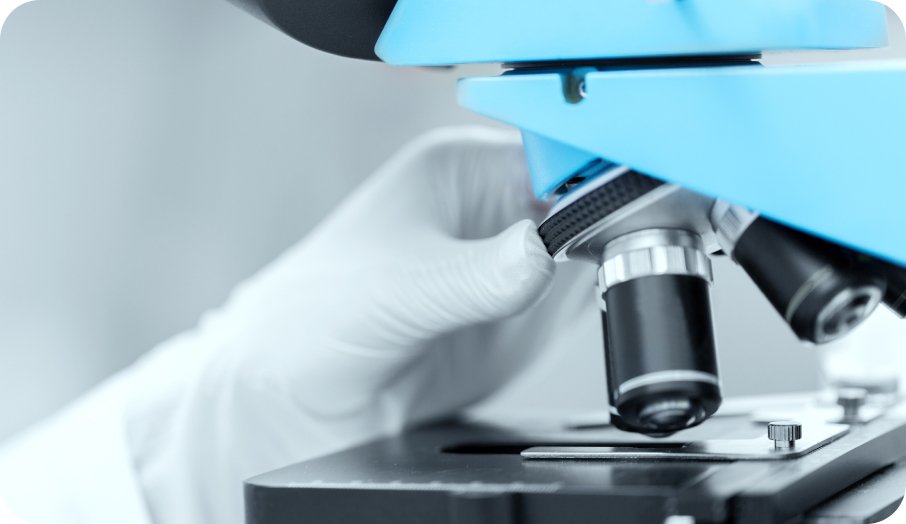 Post-Treatment Confirmation TestsAfter MULTI 8 treatment, we check whether bacteria remain and whether symptoms have improved


Cystitis Treatments

-
PointMedication TherapyAlongside antibiotics matched to the bacteria, we prescribe medications that protect the bladder lining and relieve inflammation and pain.
-
PointPelvic Floor Muscle TherapyWe provide biofeedback and soft tissue massage, effective for relaxing the pelvic floor muscles and relieving pain.
-
PointIntravesical Drug Instillation TherapyMedication is instilled directly into the bladder to protect its lining and restore damaged epithelial cells.
-
PointTreatment of Hunner's Ulcers & GlomerulationsUlcerative lesions inside the bladder are removed endoscopically, effectively relieving pain
-
PointBladder HydrodistensionWater pressure expands the bladder to improve urinary difficulty.
-
PointBladder Botox InjectionBotox is injected directly into the bladder detrusor muscle to relieve frequency, urgency, and pain.
-
PointImmune-Boosting Therapy for CystitisMedications and injections that regulate and strengthen immunity reduce cystitis recurrence.
-
PointBehavioral Modification TherapyDietary control and stress management keep urinary symptoms from worsening.
Goldman's Key Points in Cystitis Treatment
-
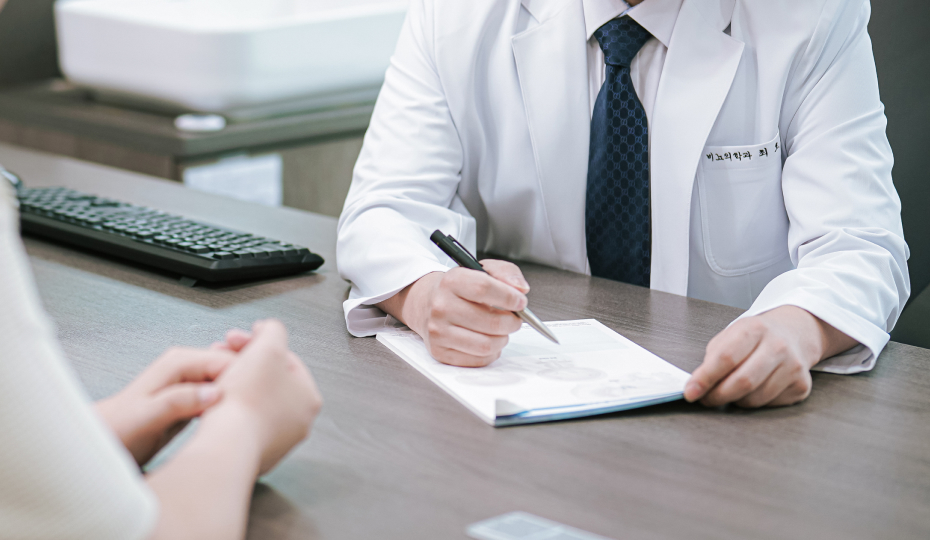
Check
Pursuing Root-Cause TreatmentThrough detailed testing, we rule out the possibility of complications such as cancer
early on and ensure safe treatment. -

Check
Multi-Angle Customized TreatmentWe developed our own 8-week, 8-part combination treatment solution
and provide multi-angle tailored treatment based on each patient's symptoms and severity. -
Check
Follow-Up Care to Prevent RecurrenceThrough immune-boosting therapy that strengthens bladder immunity
and lifestyle management education, we prevent cystitis from recurring.


What Is Interstitial Cystitis?
-
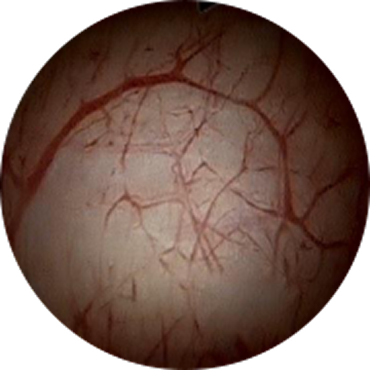
Normal Bladder
-
Interstitial Cystitis
Glomerulation Lesion
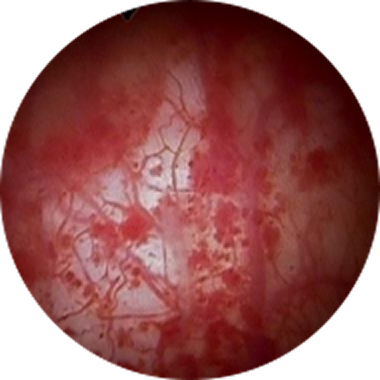
-
Interstitial Cystitis
Ulcerative Lesion
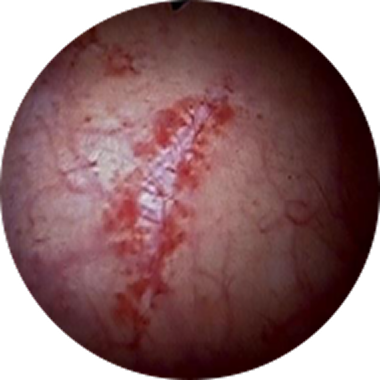


Causes of Interstitial Cystitis
Symptoms of Interstitial Cystitis
- Chronic Pain(lower abdominal pain, bladder pain, back pain, urethral pain)
- Frequency
- Urinary Urgency
- Psychological Stress
Diagnosis of Interstitial Cystitis
Urinary symptoms and pain guide diagnosis; urinalysis, cystoscopy, and bladder function tests confirm it.
-
Medical History and Physical ExaminationConsultation and examination check overactive bladder symptoms and medical history.
-
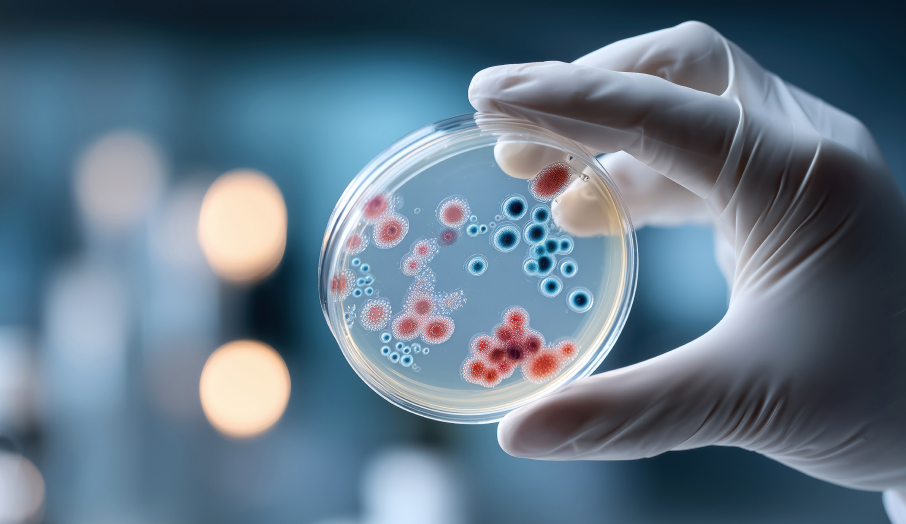 Urinalysis and Urine Bacterial CultureUrinalysis and bacterial culture identify the causative organism to treat.
 -
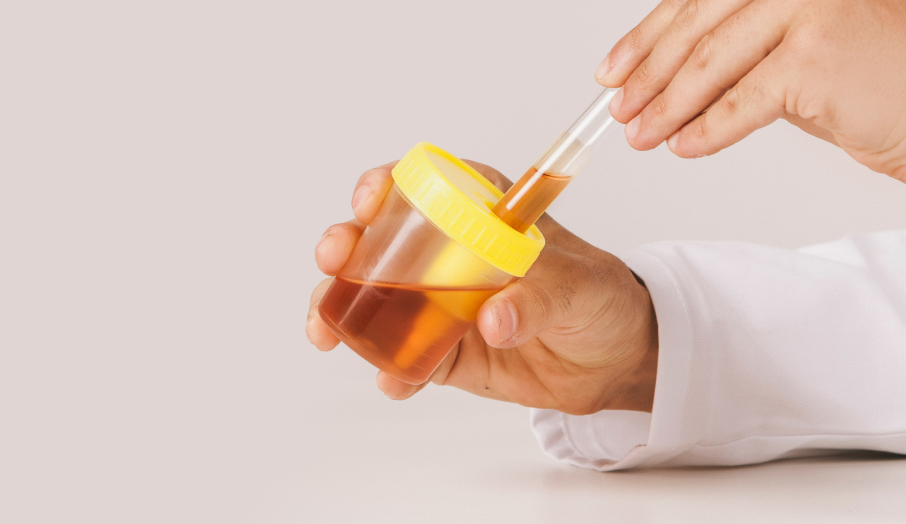 Differential Diagnosis Through PCR TestingUrine PCR pinpoints the causative organism and rules out other diseases.
 -
Uroflowmetry and Post-Void Residual MeasurementA test that measures urine volume, flow rate, and residual urine to evaluate voiding status and bladder function.
-
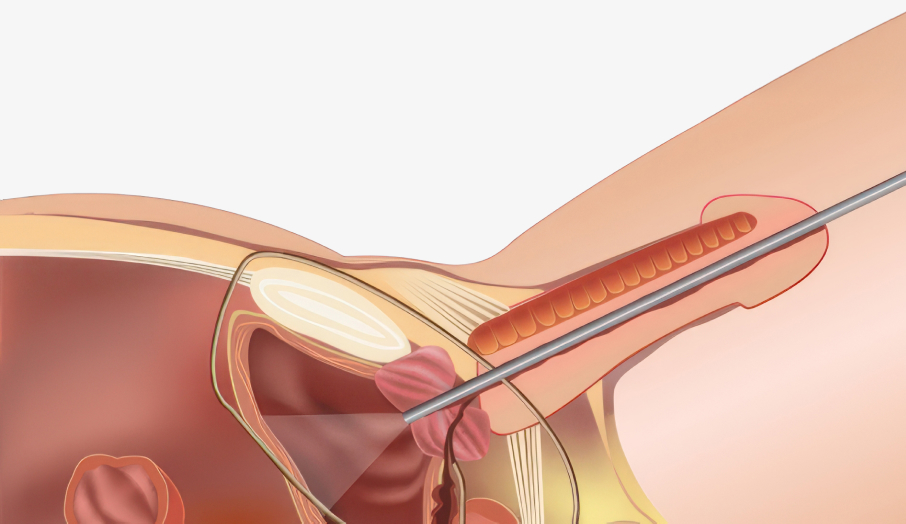 CystoscopyCharacteristic lesions found on cystoscopy are biopsied.


Treatments for Interstitial Cystitis
-
PointBehavioral TherapyA voiding diary aids assessment, but bladder training alone is not enough for patients in pain.
-
PointBladder HydrodistensionBladder distension relieves symptoms only temporarily and must be repeated.
-
PointPhysical TherapyPelvic floor physical therapy relaxes the muscles and improves their function.
-
PointMedication TherapyPentosan polysulfate protects the bladder lining and relieves irritation.
-
PointDietary ManagementAvoid irritants such as coffee, spicy food, and alcohol so symptoms do not worsen.
-
PointOtherBotox, gene therapy, neuromodulation surgery, and other options are decided with a specialist.
Wait! Why is intravesical instillation therapy so popular?
Intravesical drug instillation is a recent treatment with far higher satisfaction than oral medication, so it is now the most actively performed.
-
Check
Simple procedure -
Check
Short treatment period -

Check
Rapid symptom relief -

Check
Excellent recurrence prevention


-
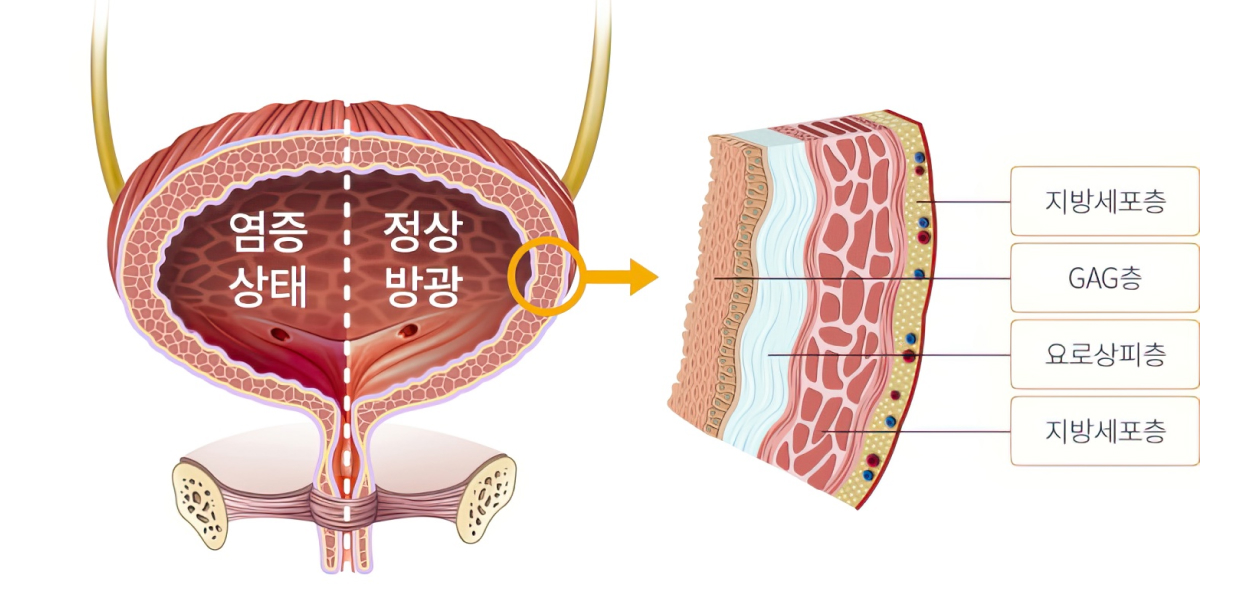 InflamedNormalFat cell layerGAG layerUrotheliumFat cell layer
 -
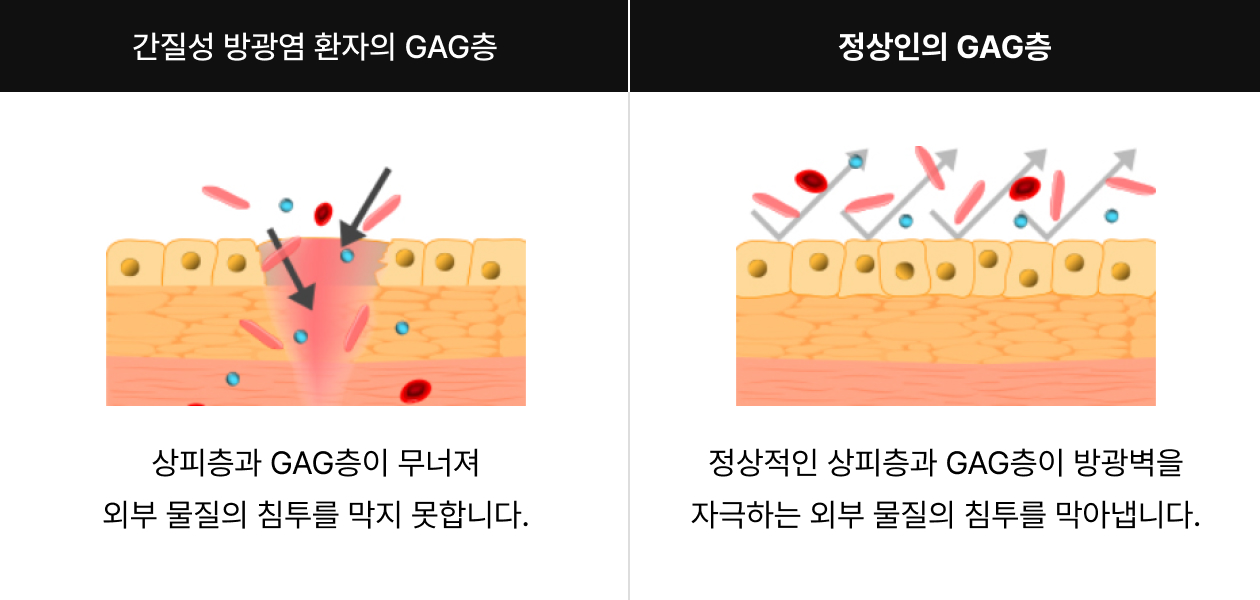 GAG layer in interstitial cystitisGAG layer in a healthy bladderThe epithelium and GAG layer break down, so irritants get through.A healthy epithelium and GAG layer keep irritants away from the bladder wall.
The GAG (glycosaminoglycan) layer protects the bladder's urothelium against invading irritants, and in many interstitial cystitis patients the GAG layer is damaged.
Intravesical drug instillation places a medication with GAG-like components into the bladder, helping the GAG layer recover.
Intravesical drug instillation places a medication with GAG-like components into the bladder, helping the GAG layer recover.
What Is Overactive Bladder?
Overactive bladder means frequent urination and trouble holding urine without inflammation: urinating 8 or more times a day, or urgency even with little urine.
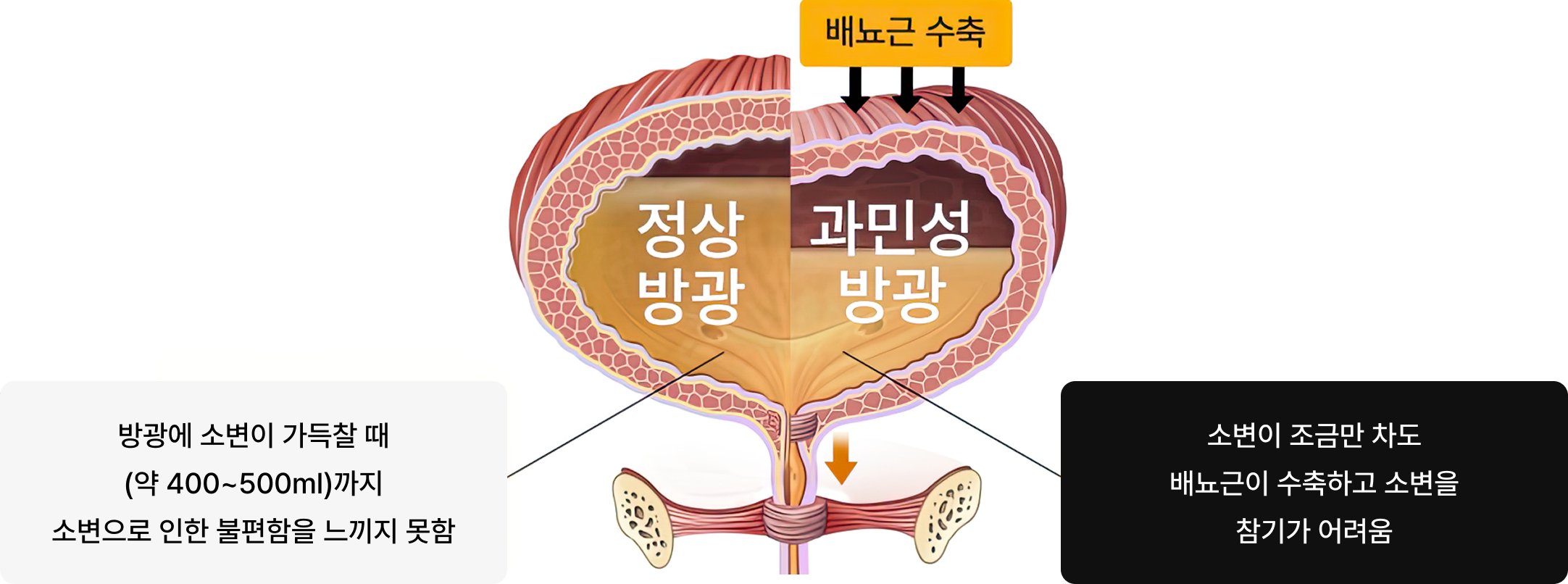 Detrusor contractionNormalOveractiveNo discomfort until the bladder is full (about 400-500 ml)Even a little urine makes the detrusor contract, and holding it is hard
Causes of Overactive Bladder
The cause of overactive bladder is not clear, but spinal injury, neurological disease, bladder irritation, bladder outlet obstruction, aging, and psychological factors are presumed to play a role.
Symptoms of Overactive Bladder
Patients urinate often even when the bladder is not full, feel urgency that is hard to hold, and often go 8 or more times a day.
- Frequency
- Urgency
- Nocturia
- Urge Incontinence
- Residual Urine Sensation
How Overactive Bladder Is Diagnosed
Frequency and urgency, plus a voiding diary, uroflowmetry, and a residual urine test, guide diagnosis.
-
Medical History and Symptom AssessmentA pre-visit questionnaire details the patient's condition to guide personalized care and a treatment plan.
-
UrinalysisThis is performed as an essential test to rule out infectious disease, and if inflammation or hematuria is found, additional tests are carried out.
-
 Keeping a Voiding DiaryUrination times, volumes, frequency, and incontinence episodes logged over 3 days guide assessment and treatment.
 -
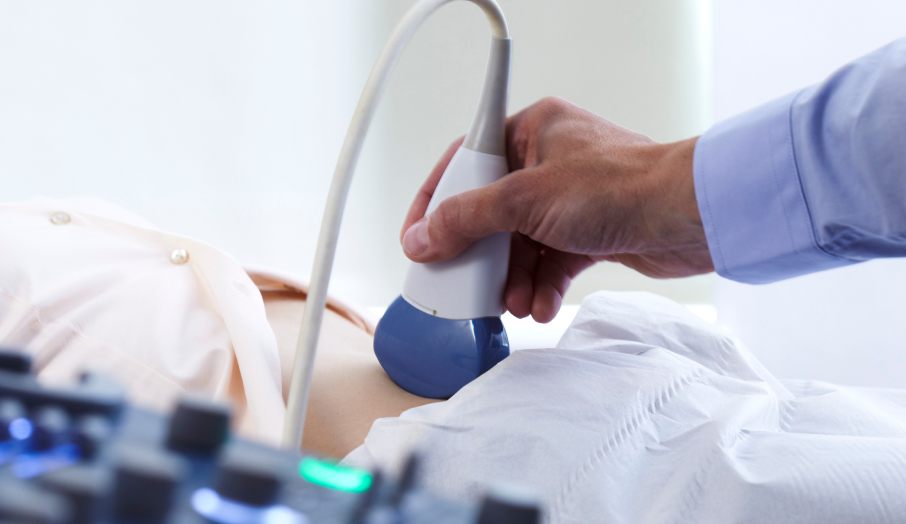 Ultrasound ExaminationChecks for anatomical abnormalities of the bladder, urethra, and pelvic organs.
 -
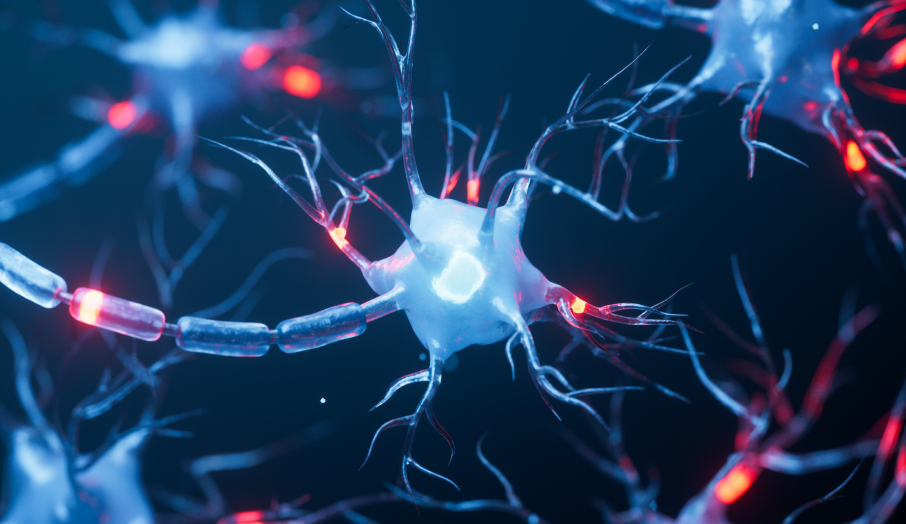 Urodynamic StudyAccurately assesses bladder function and also diagnoses stress urinary incontinence.


Treatments for Overactive Bladder
-
PointLifestyle ModificationAdjusting fluid intake and voiding times builds healthy urination habits.
-
PointBladder TrainingCorrecting improper voiding habits improves bladder function.
-
PointPelvic Floor Muscle Exercise (Kegel Exercise)Stronger pelvic floor muscles support urethral closure and prevent urinary incontinence.
-
PointBiofeedbackVisual, auditory, and tactile feedback lets you confirm muscle engagement and improves voluntary control.
-
PointImproving the Voiding EnvironmentAudiovisual cues guide correct pelvic floor muscle exercises.
-
PointMedication TherapyMedication calms the overactive bladder muscle, reducing frequency and urge incontinence and increasing voided volume.

What Is Neurogenic Bladder?
Neurogenic bladder occurs when problems in the brain, spinal cord, or peripheral nerves impair the bladder's ability to store and empty urine.
Causes of Neurogenic Bladder
Neurogenic bladder develops when spinal cord injury, stroke, multiple sclerosis, or other nervous system disorders disrupt bladder control.
Symptoms of Neurogenic Bladder
Impaired bladder control causes varied voiding symptoms: difficulty urinating, incomplete emptying, incontinence, frequency, and urgency.
- Frequency
- Residual Urine Sensation
- Incontinence / Retention
- Urgency
How Neurogenic Bladder Is Diagnosed
-
 Medical History and Symptom QuestionnaireVoiding symptoms, current medications, and neurological history are reviewed to gauge the likelihood of neurogenic bladder.
 -
 Keeping a Voiding DiaryLogging urination times, volumes, and any incontinence objectively shows voiding patterns, bladder capacity, and daily inconvenience.
 -
 UrinalysisUrine is checked for inflammation, blood, or protein to rule out other bladder conditions and assess complications.
 -
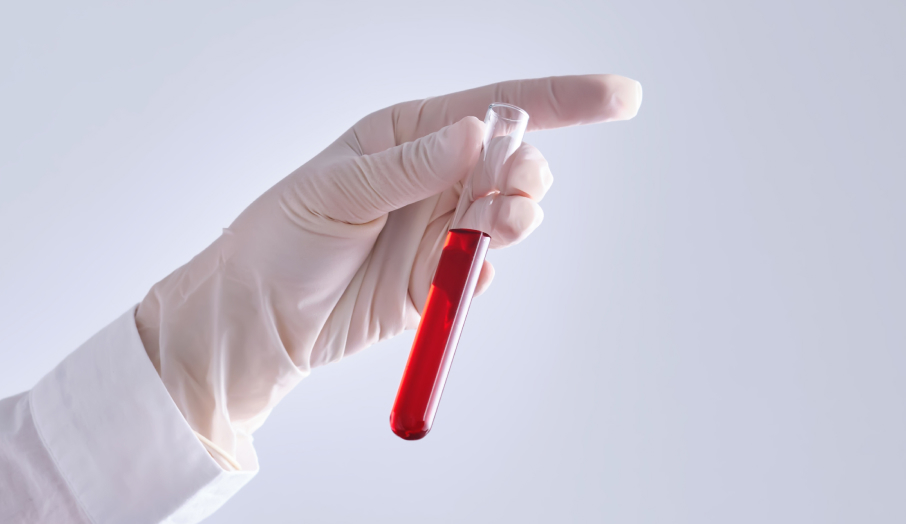 Blood TestKidney function and inflammatory markers show your overall condition and whether reduced bladder function has damaged the kidneys.
 -
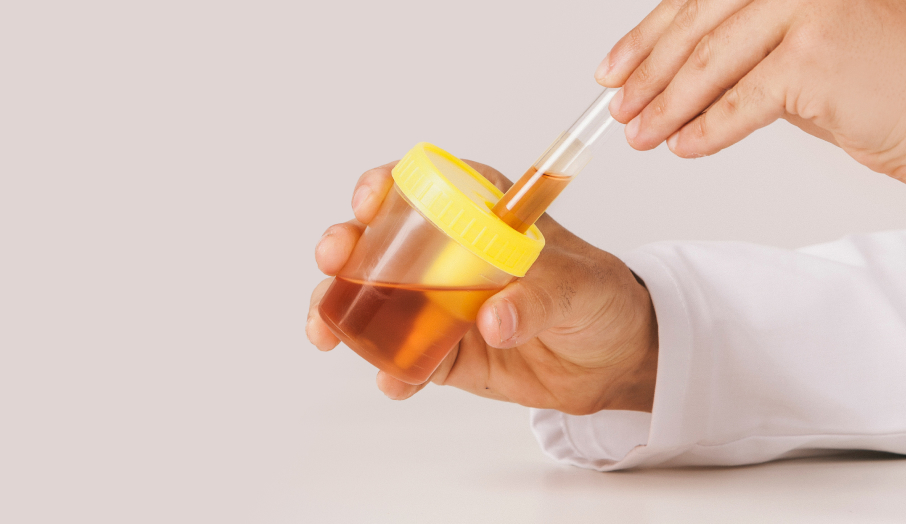 Uroflowmetry and Post-Void Residual MeasurementUrine flow rate, voided volume, and residual urine are measured to evaluate emptying and possible obstruction.
 -
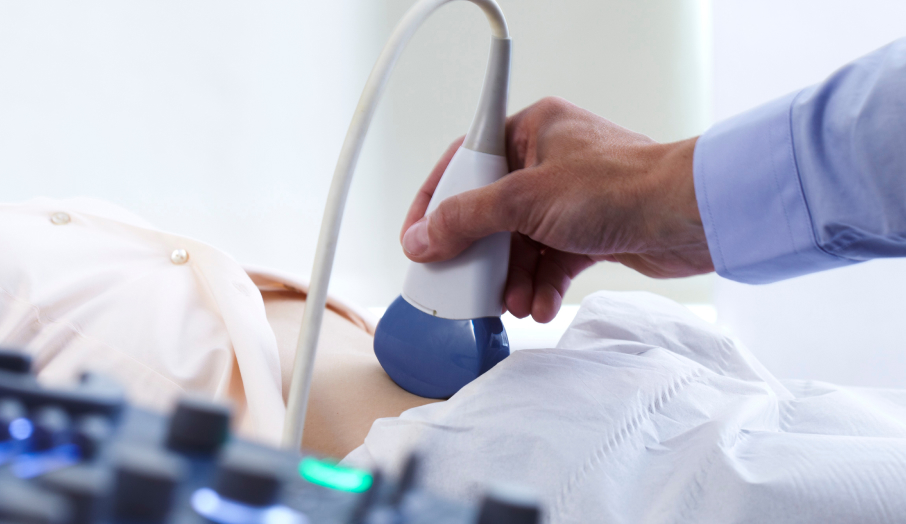 Bladder and Kidney UltrasoundUltrasound checks bladder wall thickness, residual urine, and kidney or ureter dilation to assess chronic dysfunction and kidney damage.
 -
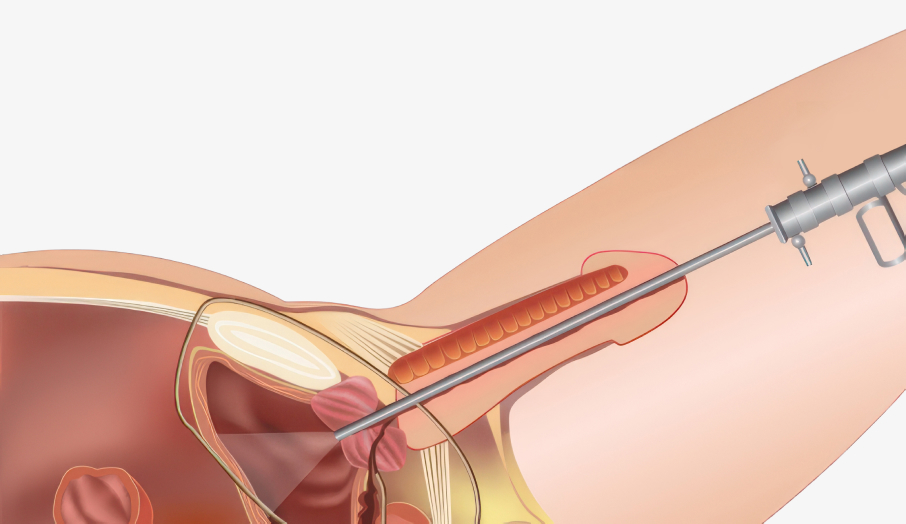 Urethral and Bladder Endoscopy (Cystoscopy)A slender endoscope checks the bladder and urethra for structural abnormalities, inflammation, stones, or tumors that must be ruled out.
 -
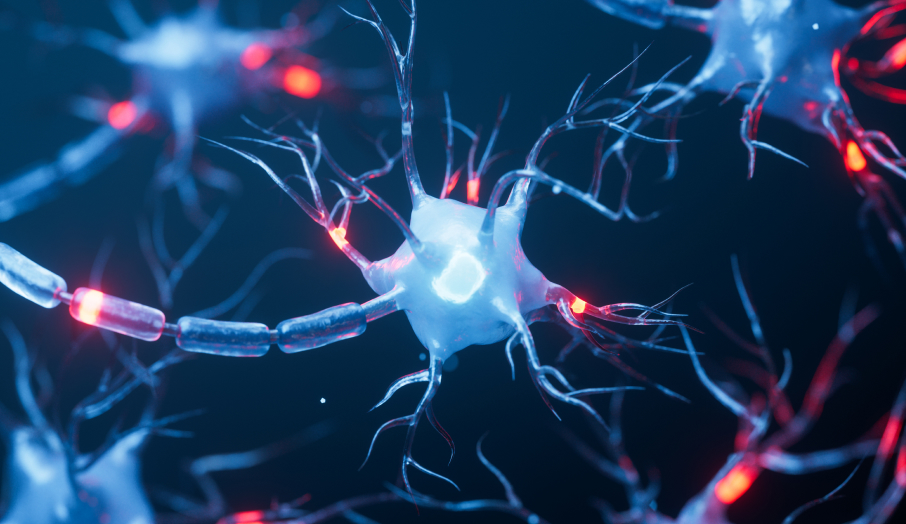 Urodynamic StudyThis key test measures bladder pressure and contractility to evaluate storage, emptying, and sphincter coordination.


Treatments for Neurogenic Bladder
Staged treatment with medication, catheterization, Botox, and surgery stabilizes bladder function and prevents complications.
-
PointBPH SurgeryWhen lower urinary tract obstruction does not improve with medication, surgery for benign prostatic hyperplasia is considered.
-
PointMedication TherapyMedications that calm bladder overactivity or aid contraction relieve urgency, incontinence, and incomplete emptying.
-
PointClean Intermittent Self-CatheterizationThe patient drains urine with a sterile catheter at set intervals, preventing bladder overdistension, and it is the standard treatment for preventing kidney damage.
-
PointIntravesical Botox InjectionBotulinum toxin is injected through a cystoscope to reduce excessive bladder muscle contractions, usually relieving urinary incontinence and urgency for about 6 to 8 months.
-
PointBladder Augmentation (Augmentation Cystoplasty)If a small or stiff bladder cannot store enough urine, a bowel segment is used to enlarge the bladder and increase its storage capacity.
-
PointVesicostomy (Urinary Diversion)For severe bladder dysfunction unresponsive to other treatments, a new pathway for urine drainage is created to prevent kidney damage.

What is bladder neck stenosis?
Bladder neck stenosis is a narrowing of the bladder neck, between the bladder and urethra, that obstructs urine flow and causes voiding discomfort and a residual urine sensation.
Causes of Bladder Neck Stenosis
Bladder neck stenosis occurs when the tissue narrows from infection, trauma, post-surgical scarring, or chronic inflammation.
Symptoms of Bladder Neck Stenosis
Bladder neck stenosis blocks smooth urine flow, causing delayed urination, a weak stream, residual urine sensation, frequency, and urinary tract infections.
- Weak Stream
- Frequency
- Residual Urine Sensation
- Painful urination
- Urinary Tract Infection
How Bladder Neck Stenosis Is Diagnosed
-
Medical History and Symptom QuestionnaireWe assess the likelihood of bladder neck stenosis by reviewing voiding symptoms, current medications, and any history of neurological disease.
-
Keeping a Voiding DiaryLogging urination times, volumes, and any incontinence objectively shows voiding patterns, bladder capacity, and daily inconvenience.
-
UrinalysisUrine is checked for inflammation, blood, or protein to rule out other bladder conditions and assess complications.
-
Blood TestKidney function, inflammatory markers, and similar values show overall condition and any complications from impaired bladder emptying.
-
Uroflowmetry and Post-Void Residual MeasurementUrine stream speed and post-void residual volume are measured to functionally confirm bladder outlet narrowing
-
Bladder & Prostate UltrasoundBladder wall, residual urine volume, and prostate size reveal the degree and cause of impaired bladder emptying.
-
CystoscopyAn endoscope views the bladder neck and urethra directly to pinpoint the location and extent of the narrowing.
-
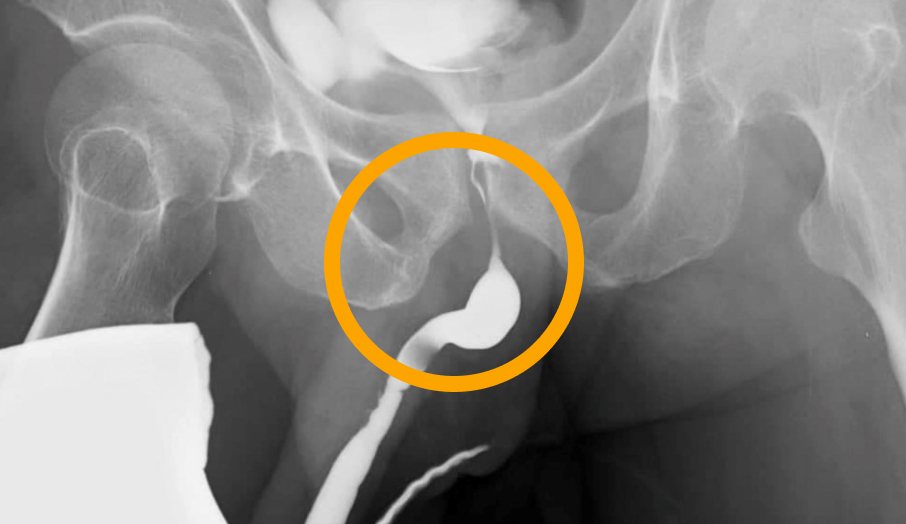 Urethrography (if needed)After contrast injection, X-rays of the urethra and bladder neck show the narrowed segment in detail.

Treatments for Bladder Neck Stenosis
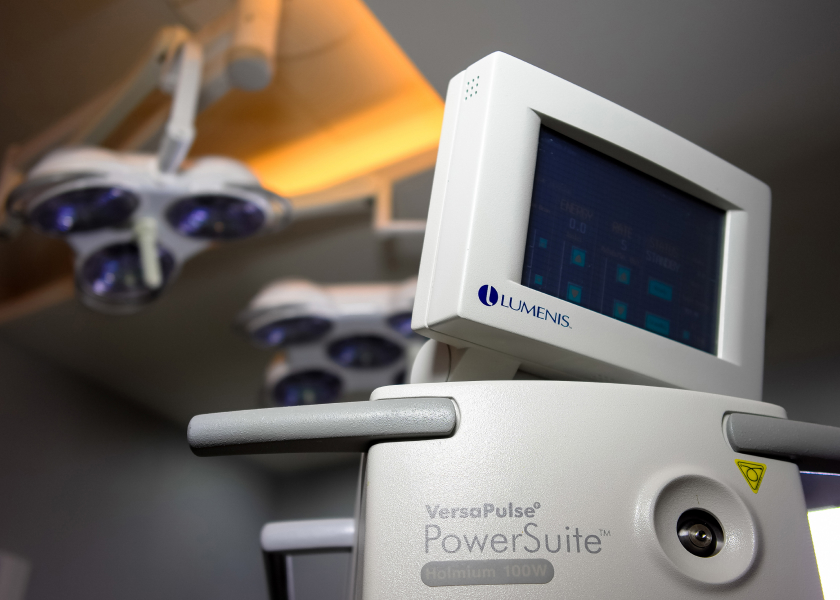
Treatment weighs the risk of re-stenosis and selects a procedure suited to the individual (holmium laser, iTind, etc.); specialist consultation and consistent follow-up are key to success.

Holmium Laser Bladder Neck Resection
A representative surgery that uses a holmium laser to resect and widen the narrowed bladder neck
so urine passes smoothly.

iTind Insertion
Depending on the case, temporarily inserting the recently introduced iTind device
to open up the bladder neck and improve voiding may be considered.
Have questions about bladder disease? Get them answered now.
Goldman's know-how gives clear answers to patients' questions.
-
A collective term for bladder problems, including inflammation, infection, and tumors.
-
Cystitis is infection-related inflammation, mainly treated with antibiotics; bladder cancer is a malignant tumor requiring detailed examination.
-
Painful urination, frequency, urgency, hematuria, and lower abdominal pain can occur.
-
These include smoking, exposure to chemicals, chronic cystitis, and radiation exposure.
-
Cleanliness, adequate fluids, and careful hygiene after urinating are important.
Real treatment stories
as told by patients and medical staff


Acute urinary retention caused by bladder disease, explained by Goldman's medical team
Reliable urology information — check it through video.
More on YouTube

![Goldman Urology Clinic – [Dr. Min Seungki's Urology Talk] All about bladder stones!](/webp/_File/videoTalk//y_AHQUJKI4mQI.jpg.webp)

Goldman Urology's Innovation News
Goldman Urology's key innovation news: latest conference presentations, research achievements, and new-technology adoption.
More Notices-
Conferences & PresentationsParticipated in the Korean Society of Urological Ultrasonography training course and certified as a center of excellence in ultrasound care — "Ultrasound is the stethoscope of urology"2026. 09. 21
-
Clinic NewsGoldman Urology reaches 600 robotic Waterjet BPH surgeries2026. 07. 23
-
Clinic NewsNotice: the 7th Goldman Urology Network Hospital Symposium2026. 07. 22
-
Conferences & PresentationsGoldman medical team presents and attends the SIU 2025 international urology congress2025. 11. 18
-
Conferences & PresentationsGoldman medical team attends KUA 2025, Korea's largest urology conference2025. 10. 28
It’s Advanced!
TOP 7 Reasons Goldman Leads
GOLDMAN Special 7
1
7
-
 Urology Only
25 Years
1 -
 Unrivaled Treatment Data
2 Million+
2 -
 BPH Surgery Data
6,500+
3 -
 Urinary Stone Treatment Data
10,000+
4 -
 Nationwide HoLEP Surgeries
40.8% Performed
5 -
 Experienced Medical Team
25 Years of Clinical Experience
6 -
 From Diagnosis to Surgery
State-of-the-Art AI System
7


Urological concerns?
Solve them at a Goldman near you.
If you consent to the use of location information, you can find the Goldman branch closest to you.