



What Is Pyelonephritis?
Fraud-Click Monitoring
boraware active


AI CURATION
Briefly describe your symptoms
to the smart Goldman AI.
- e.g. I urinate frequently and always feel residual urine
- e.g. I feel a burning pain when I urinate
- e.g. Itchy, stinging blisters on my genitals

Kidney Disease
Kidney dysfunction shows itself in your urine — early diagnosis is critical.
A warning from your kidneys:
abnormal urinary flow can lead to declining kidney function.
Kidney disease arises from urinary tract abnormalities,
so early diagnosis and treatment are essential.
so early diagnosis and treatment are essential.
SINCE 2002, the hub of AI smart healthcare
SINCE 2002, the hub of AI smart healthcare
SINCE 2002, the hub of AI smart healthcare
SINCE 2002, the hub of AI smart healthcare
What is kidney disease?
Kidney disease refers to a condition in which declining kidney function makes it difficult for the body to remove waste and excess fluid.
Early diagnosis and treatment are important, and care focuses on preventing chronic renal failure and further deterioration of kidney function.
Early diagnosis and treatment are important, and care focuses on preventing chronic renal failure and further deterioration of kidney function.

Kidney disease: what symptoms accompany it?
Kidney disease has almost no noticeable symptoms in its early stages, making early detection difficult.
Watch closely for warning signs such as swelling, fatigue, and changes in urine, and seek prompt diagnosis and treatment to avoid chronic renal failure and prevent declining kidney function.
Watch closely for warning signs such as swelling, fatigue, and changes in urine, and seek prompt diagnosis and treatment to avoid chronic renal failure and prevent declining kidney function.
-

Swelling (Edema)
When the body cannot excrete fluid properly,
swelling appears in the face, hands, and feet. -

Fatigue
Declining kidney function lets waste build up in the body,
causing overall fatigue. -

Changes in Urination
Abnormal symptoms appear, such as reduced urine output,
color changes, and foamy urine. -

Rising Blood Pressure
Because the kidneys affect blood pressure regulation,
hypertension may develop or worsen. -

Loss of Appetite
Toxin buildup in the body reduces appetite
and may cause indigestion. -

Back Pain
Discomfort or pain may appear
in the area around the kidneys.

Think you may have kidney disease?
Kidney disease types · symptoms · treatment at a glance

Acute Pyelonephritis Patients by Sex and Age
* Source: Health Insurance Review & Assessment Service (2015)
| Acute pyelonephritis | Chronic pyelonephritis | |
|---|---|---|
| Symptoms | High fever, chills, flank pain, abdominal pain, painful urination | Vague symptoms such as back pain, fatigue, and frequent urination |
| Features | More common in women, especially in their 30s to 50s | Seen with kidney abnormalities or recurrent acute episodes |
| Risk of complications | May progress to sepsis or become chronic if left untreated | Risk of kidney function loss, renal failure, and hypertension |
Causes of Pyelonephritis
Pyelonephritis most often develops when bacteria travel up the urethra to the bladder and kidneys and cause an infection, and factors such as urinary stones, structural abnormalities, and a weakened immune system can contribute to it.
Symptoms of Pyelonephritis
The main symptoms of pyelonephritis are sudden high fever and chills, flank pain, painful and frequent urination, and fatigue.
- High fever and chills
- Flank and back pain
- Painful and frequent urination
- Blood in the urine and cloudy urine
- General fatigue
How Pyelonephritis Is Diagnosed
Pyelonephritis is diagnosed by symptoms, urinalysis, blood tests, and abdominal ultrasound or CT.
Acute pyelonephritis
-
UrinalysisA urine test checks for bacteriuria, pyuria, hematuria, and similar findings.
-
Genetic amplification test (Multiplex PCR test)Tests many bacteria at once to identify the cause quickly and accurately.
-
Kidney UltrasoundNon-invasively checks kidney shape and size and any pus or stones.
-
Intravenous Urography (IVU)Contrast dye is injected into a vein to image the kidneys and urinary tract in detail.
Chronic pyelonephritis
-
Intravenous Urography (IVU)Chronic pyelonephritis is hard to diagnose: symptoms may be absent and routine tests normal, so intravenous urography is used to check for kidney deformity.
Pyelonephritis Treatment
Antibiotics are the mainstay; severe symptoms may require hospitalization and IV fluids.
-
 Acute Antibiotic therapyAntibiotics targeting the causative bacteria are the mainstay; depending on symptoms, additional medication, hospitalization, or a change of drug may be needed.
 -
 Chronic Treatment focused on preserving functionA full return to normal is nearly impossible, so treatment aims to halt the lesion's progress and preserve kidney function.


Goldman's Key Points in Pyelonephritis Treatment
-

Check
Because early treatment matters, we run a separate Fast Track
so you can receive same-day testing and treatment. -
Check
Drawing on extensive clinical experience across urological conditions,
we treat the underlying cause and maintain a low recurrence rate. -

Check
Beyond diagnosis and treatment, we provide aftercare tailored to each patient
so the condition does not recur after treatment.


What is a renal cyst?
A renal cyst is a fluid-filled sac that develops in the kidney, mainly due to aging;
if it grows large, it can cause reduced kidney function or pain.
Causes of Renal Cysts
Renal cysts form when fluid collects in kidney tissue, mainly with aging; the exact cause is unknown.
Symptoms of Renal Cysts
Most renal cysts cause no symptoms, but larger ones can cause flank pain, discomfort, or pressure.
- Flank and back pain
- Severe pain with bleeding
- Digestive discomfort
- Palpable mass and tenderness
Diagnosis of Renal Cysts
Diagnosis confirms the size and location by abdominal ultrasound or CT.
-
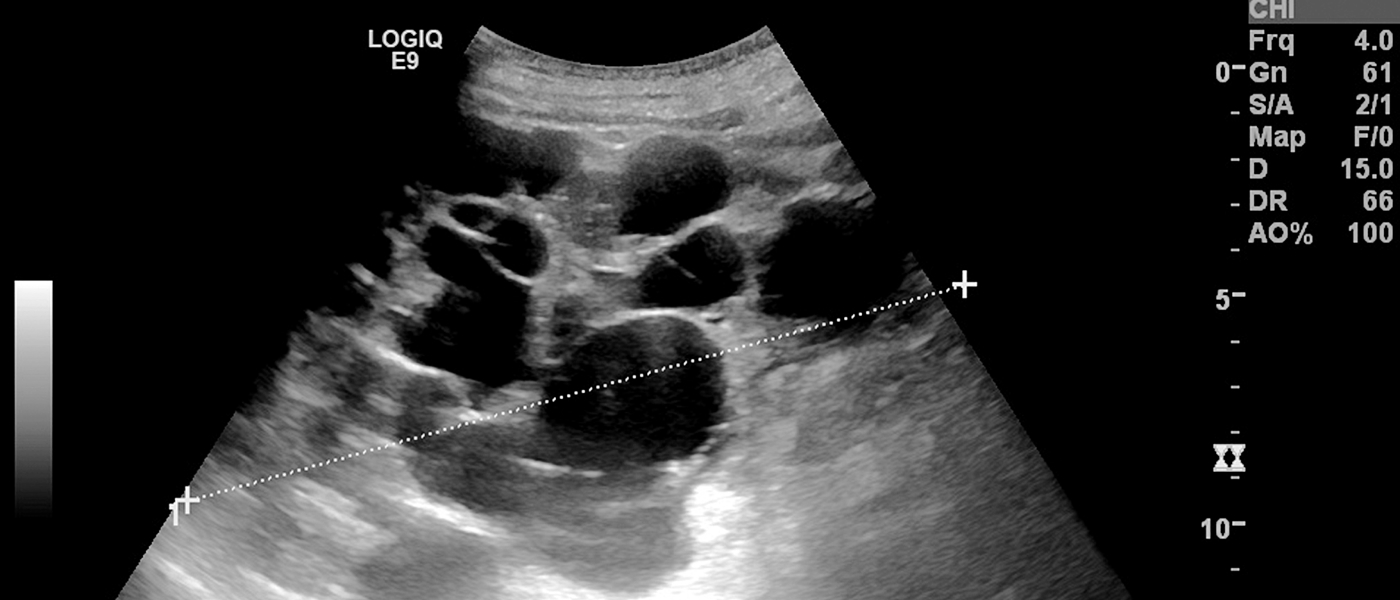 Kidney UltrasoundAn imaging test that non-invasively identifies structural abnormalities of the kidney, used for early diagnosis and for assessing how far the condition has progressed.
 -
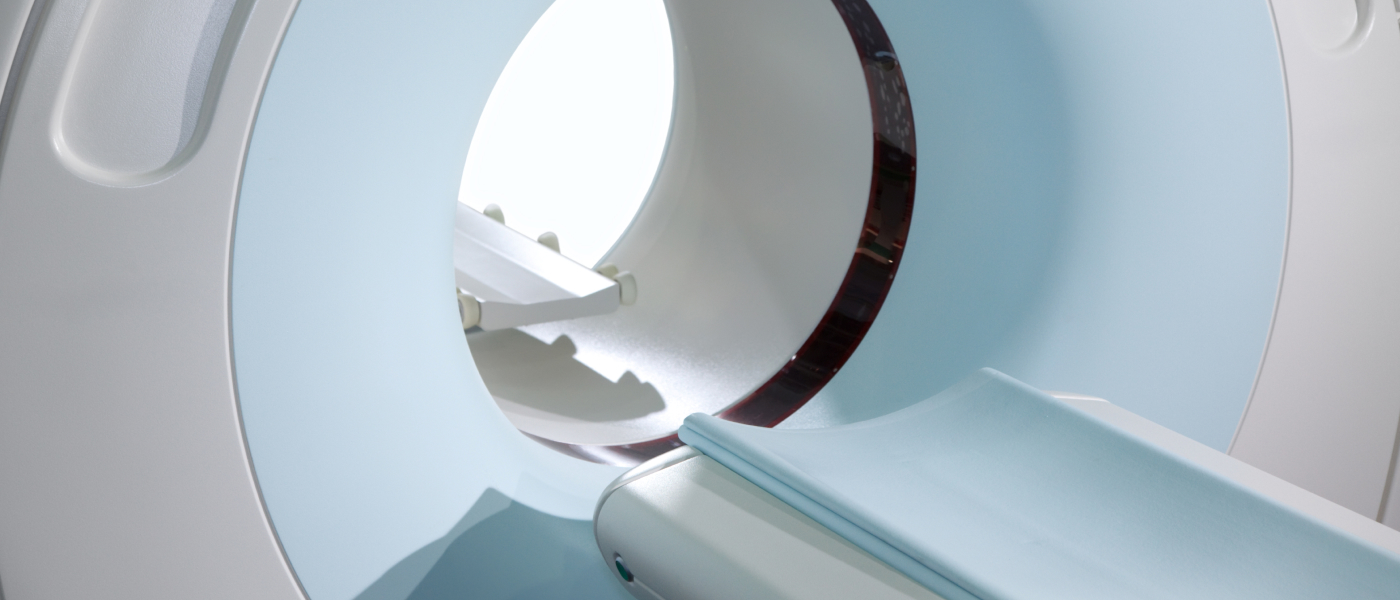 Computed Tomography (CT)A detailed X-ray imaging test that captures cross-sections of the kidney and surrounding tissue, used to diagnose kidney stones, tumors, and more.


Renal Cyst Treatment
A symptom-free renal cyst is monitored; if symptoms or complications develop, it is drained or removed surgically.
-
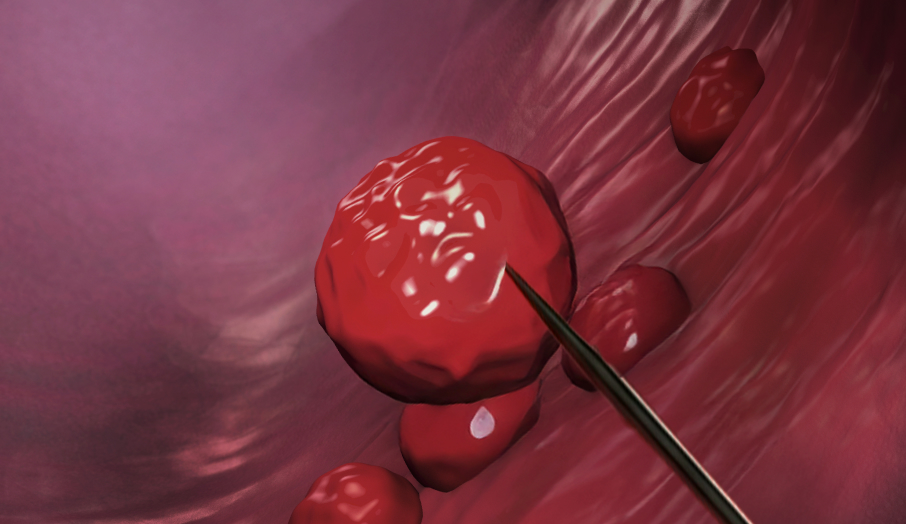 Percutaneous Cyst DrainageA non-surgical treatment in which a long needle is guided by ultrasound to remove the fluid inside the kidney cyst, after which a sclerosing agent is injected to eliminate the cyst.
 -
 Laparoscopic SurgeryIf the cyst is large or symptoms such as pain or bleeding are severe, laparoscopic surgery is used to remove the renal cyst completely.
 -
 Open Surgery and Treatment When Cancer Is SuspectedIf a CT scan raises suspicion of kidney cancer or bleeding, open surgery is performed to carry out a radical nephrectomy or partial nephrectomy and remove the lesion.


Goldman's Key Points in Renal Cyst Treatment
-
Check
Detailed testing rules out the possibility of complications such as cancer early on
and ensures safe treatment. -

Check
Rather than simply removing the cyst, we use a treatment approach that minimizes recurrence,
which is why our recurrence rate is low. -
Check
Even after treatment, follow-up care tailored to each patient's characteristics and lifestyle
protects your long-term kidney health.

Resolve your kidney disease questions right now.
Goldman's know-how gives clear answers to patients' questions.
-
The main ones are pyelonephritis (kidney infection), kidney stones, chronic kidney failure, and renal cysts.
-
Blocked or abnormal urine flow reduces kidney function and can lead to chronic disease over time.
-
Drink enough water, prevent infection, get tested early when urinary problems appear, and have regular health screenings.
-
Hospitalization is needed if fever or abdominal pain is severe, if dehydration is severe, or if medication brings no improvement within 2–3 days.
Real treatment stories
as told by patients and medical staff


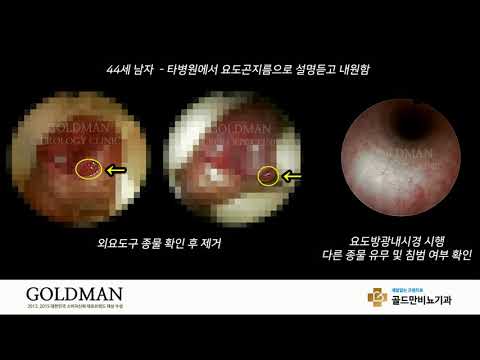
Kidney disease, explained by Goldman's medical team
Reliable urology information — check it through video.
More on YouTube


Goldman Urology's Innovation News
Goldman Urology's key innovation news: latest conference presentations, research achievements, and new-technology adoption.
More Notices-
Conferences & PresentationsParticipated in the Korean Society of Urological Ultrasonography training course and certified as a center of excellence in ultrasound care — "Ultrasound is the stethoscope of urology"2026. 09. 21
-
Clinic NewsGoldman Urology reaches 600 robotic Waterjet BPH surgeries2026. 07. 23
-
Clinic NewsNotice: the 7th Goldman Urology Network Hospital Symposium2026. 07. 22
-
Conferences & PresentationsGoldman medical team presents and attends the SIU 2025 international urology congress2025. 11. 18
-
Conferences & PresentationsGoldman medical team attends KUA 2025, Korea's largest urology conference2025. 10. 28
It’s Advanced!
TOP 7 Reasons Goldman Leads
GOLDMAN Special 7
1
7
-
 Urology Only
25 Years
1 -
 Unrivaled Treatment Data
2 Million+
2 -
 BPH Surgery Data
6,500+
3 -
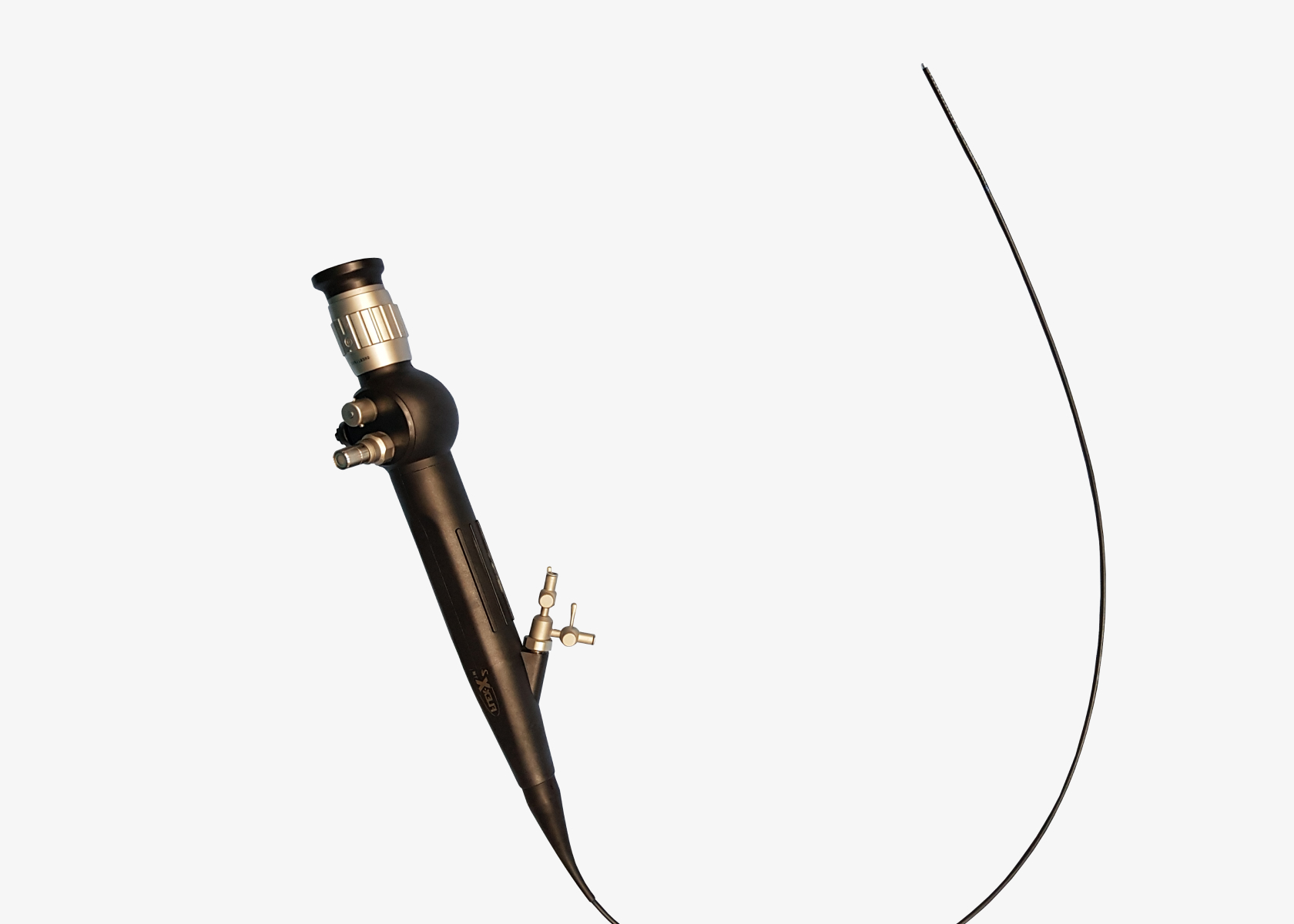 Urinary Stone Treatment Data
10,000+
4 -
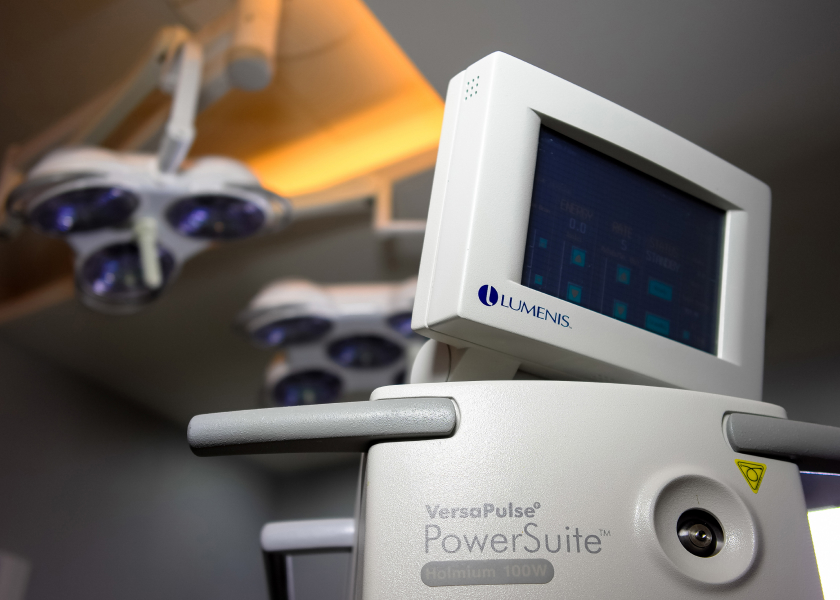 Nationwide HoLEP Surgeries
40.8% Performed
5 -
 Experienced Medical Team
25 Years of Clinical Experience
6 -
 From Diagnosis to Surgery
State-of-the-Art AI System
7


Urological concerns?
Solve them at a Goldman near you.
If you consent to the use of location information, you can find the Goldman branch closest to you.