Locations
Fraud-Click Monitoring

boraware active

Request a Phone Consultation

Select Location *
Name *
Contact *
Preferred Contact Time *
Please write your inquiry. (100 characters max) *
Goldman Urology AI curation background image Goldman Urology AI curation background image
Goldman Urology AI curation icon

AI CURATION

Briefly describe your symptoms
to the smart Goldman AI.

Enter your question.
  • e.g. I urinate frequently and always feel residual urine
  • e.g. I feel a burning pain when I urinate
  • e.g. Itchy, stinging blisters on my genitals

Voiding Disorders

Frequent urination or trouble holding it — voiding discomfort can have many causes.

Have your urinary habits changed?
Don't miss an important message about your health.

Because voiding dysfunction can have a variety of symptoms and causes,
it is important to get an accurate diagnosis through systematic testing by a urology specialist.

SINCE 2002, the hub of AI smart healthcare

SINCE 2002, the hub of AI smart healthcare

SINCE 2002, the hub of AI smart healthcare
SINCE 2002, the hub of AI smart healthcare
What is a voiding disorder?

Voiding dysfunction is a condition in which abnormalities occur in the production and passage of urine.
Typical symptoms include urinary frequency (urinating 8 or more times a day), delayed urination, and urinary incontinence, and diseases of the bladder, urethra, or prostate may be the main causes.
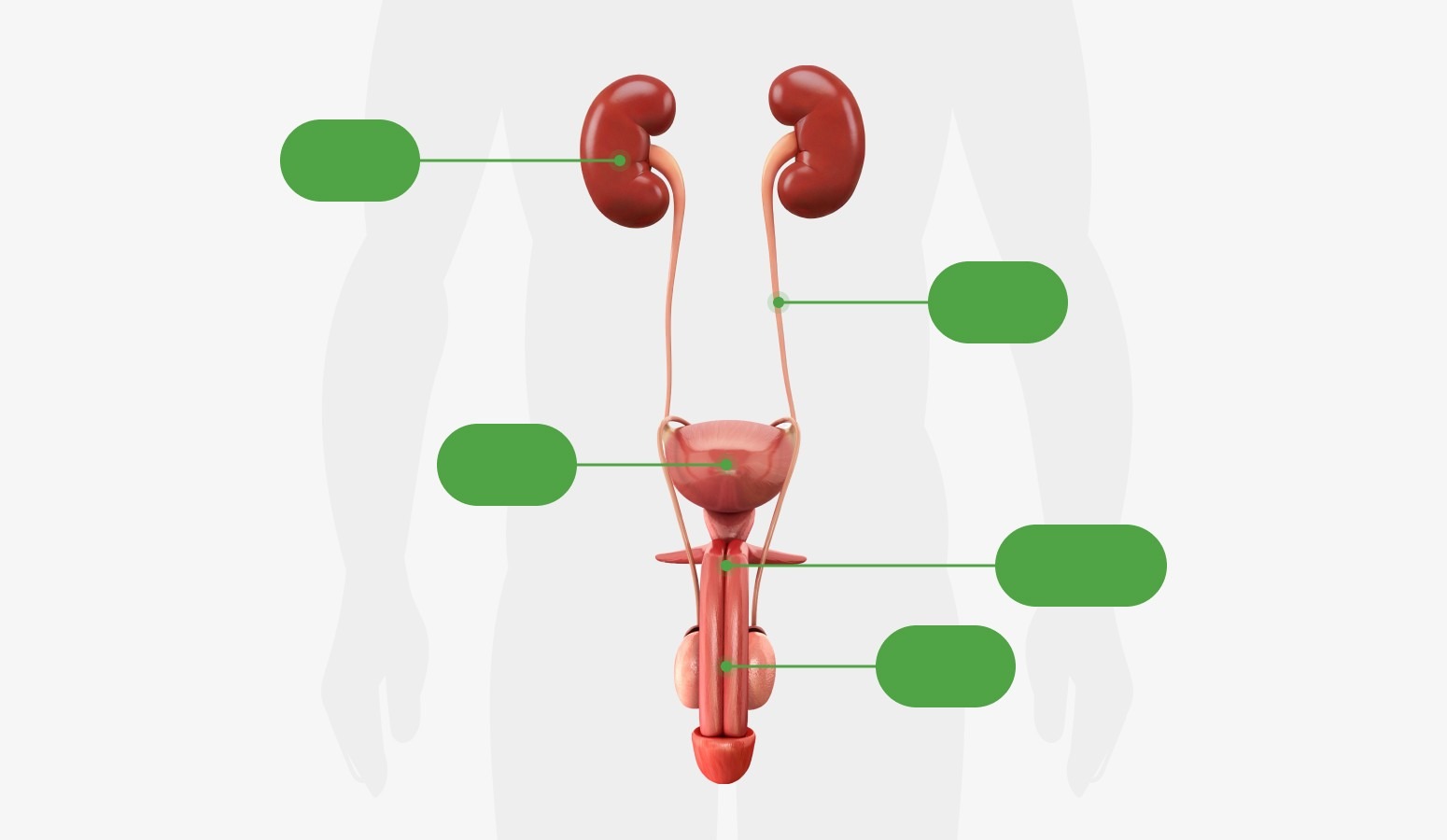
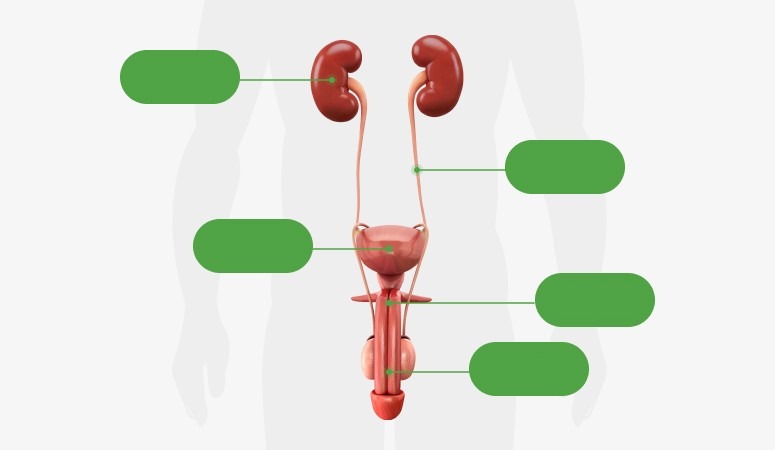
  • Kidney, ureter, bladder, prostate, urethraKidneyUreterBladderProstateUrethra Kidney, ureter, bladder, prostate, urethraKidneyUreterBladderProstateUrethra

    The male urinary system

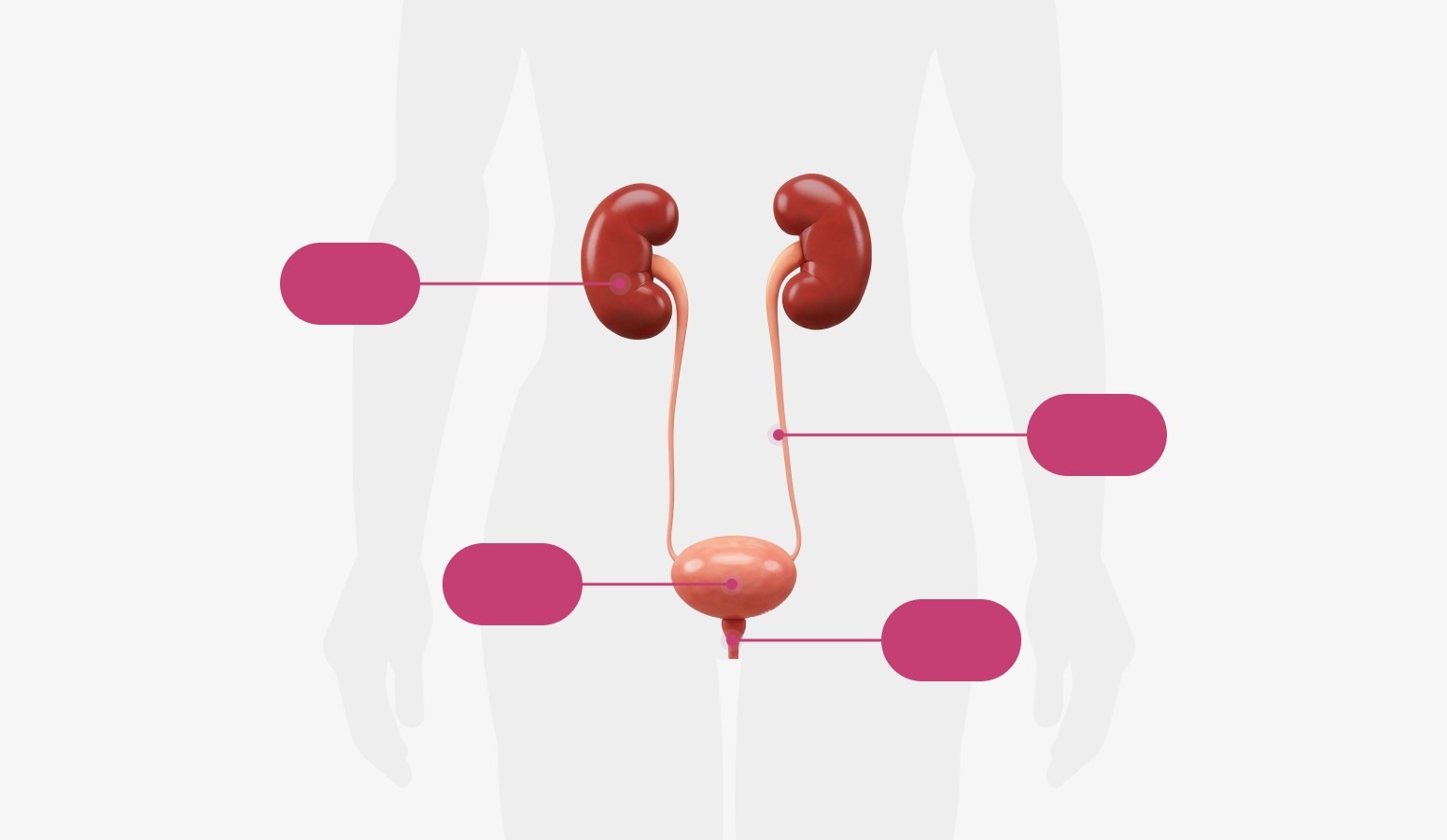
  • Kidney, ureter, bladder, urethraKidneyUreterBladderUrethra Kidney, ureter, bladder, urethraKidneyUreterBladderUrethra

    The female urinary system

Normal voiding
Maximum bladder capacity About 400~450cc
When the urge comes The urge to urinate appears at about 200~250cc, and it can be held until maximum capacity
Urine volume per void About 250~350cc
Voids per day About 4~6 times (varies with fluid intake)

Voiding dysfunction: why does it develop?

Reduced bladder function, neurological disorders, aging, and medication use are among the main causes. These factors affect the bladder and detrusor muscle, causing various voiding discomforts.

Voiding disorders in men

  • Illustration of benign prostatic hyperplasia (BPH)
    Benign Prostatic Hyperplasia (BPH)
  • Illustration of urethral stricture
    Urethral Stricture
  • A man feeling discomfort in his bladder
    Cystitis and overactive bladder
  • Nervous system
    Neurological disorders

Voiding disorders in women

  • Illustration of urinary incontinence
    Stress urinary incontinence
  • Illustration of the bladder and bacteria
    Cystitis
  • Woman feeling discomfort in the bladder
    Overactive Bladder
Motif image

Voiding dysfunction:
what symptoms come with it?

Voiding disorder symptoms encompass the various discomforts that appear throughout the entire process of storing and passing urine, and depending on how the symptoms present, they are classified into three categories: storage, voiding, and post-voiding symptoms.
Illustration of a bladder
Symptoms that occur while urine is stored in the bladder.
  • Frequency

    The number of times you urinate increases.
  • Nocturia

    You wake at least once during sleep to urinate.
  • Urgency

    Severe urgency: urine cannot be held and small amounts leak.
  • Incontinence / Retention

    Urine leaks without your noticing, or does not come out at all.

Diagnosing voiding dysfunction:
what methods are used?

Voiding dysfunction has many possible causes, so accurate testing is essential.
Goldman provides precise diagnosis and treatment with state-of-the-art equipment.
Medical staff taking a patient history

Basic Tests

After a consultation and questionnaires, we perform bacterial tests and urological exams.
Urinalysis

Urinalysis

Then a voiding pattern study checks urinary tract function, and differential tests improve accuracy.
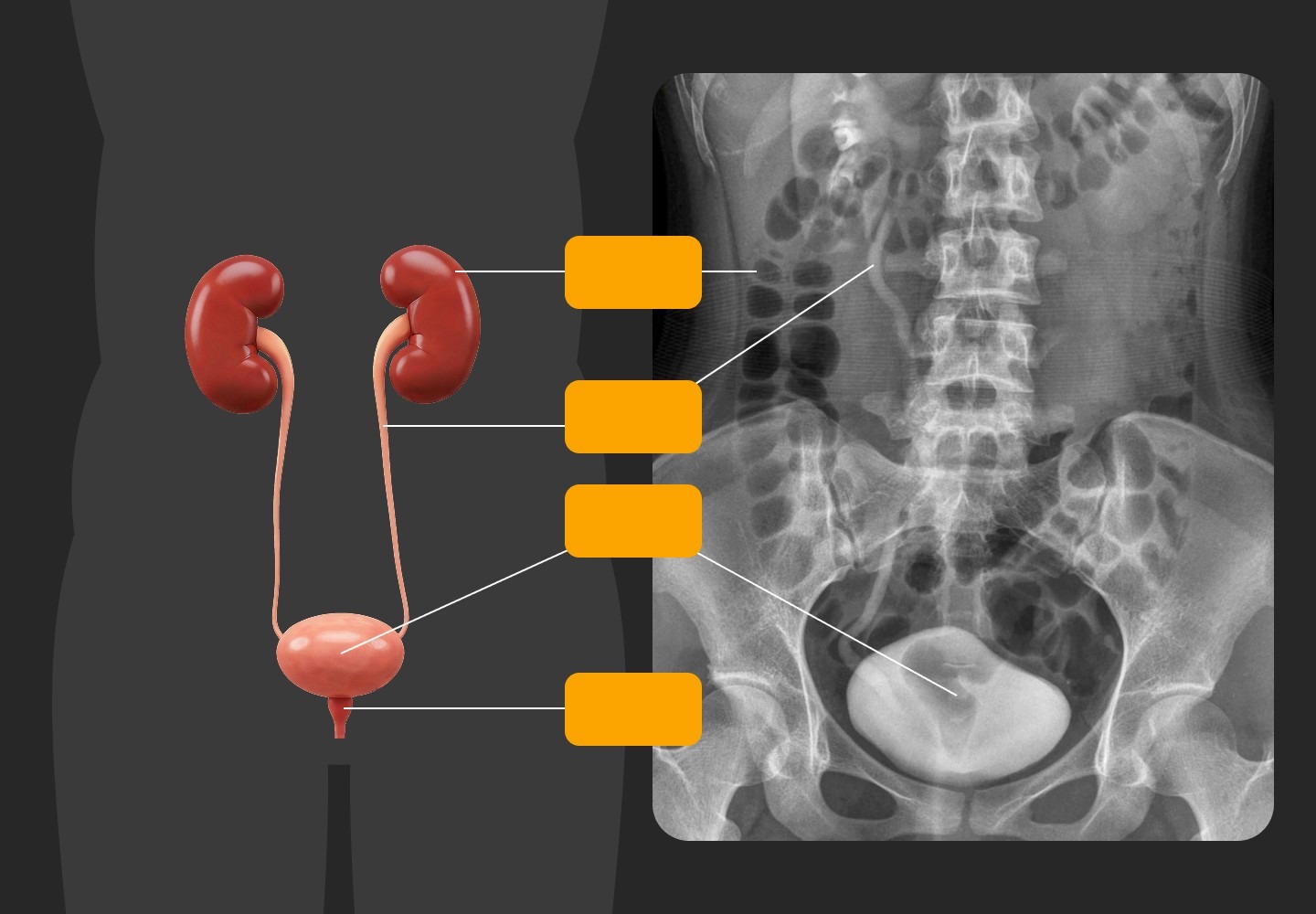
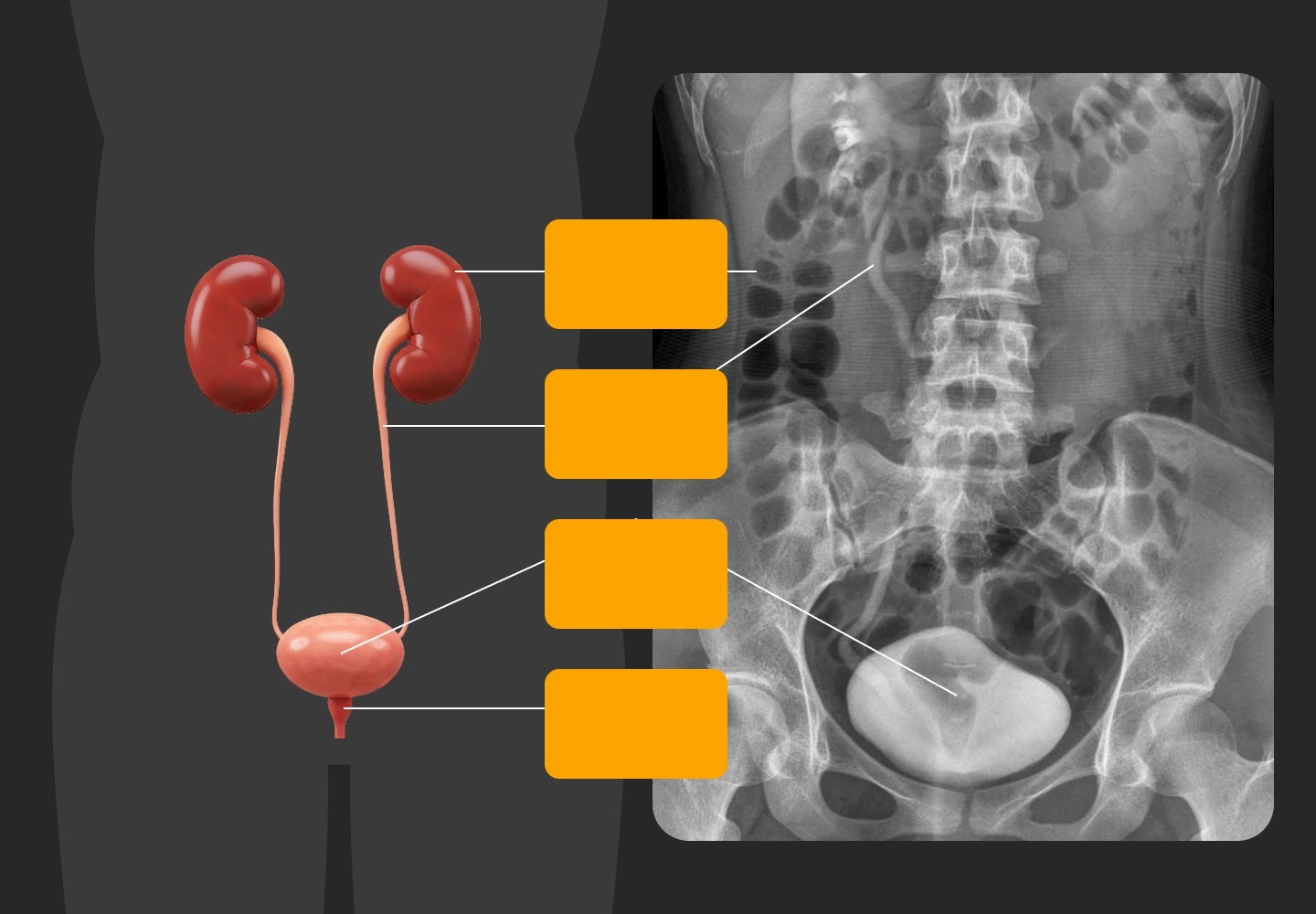
Illustration of kidneys, ureters, bladder, and urethra with a KUB X-rayKidneyUreterBladderUrethra Illustration of kidneys, ureters, bladder, and urethra with a KUB X-rayKidneyUreterBladderUrethra

Kidney-Ureter-Bladder X-ray (KUB)

Post-treatment tests check for remaining bacteria and how far symptoms and function improved, deciding when treatment ends.

Treating voiding dysfunction:
how does it work?

Voiding dysfunction is treated according to its cause, easing inflammation and protecting kidney function.
Goldman prevents recurrence through accurate diagnosis and multi-angle treatment, and performs special procedures when needed.
  • Medication and water

    Medication Therapy

    Rather than a standard antibiotic, we identify the bacteria and their resistance, then choose the best drug.Infection-related inflammation improves quickly, and kidney function is protected.
  • Walking aid

    Non-surgical treatment

    Overactive bladder treatment is a typical example of treating impaired bladder storage.Medication, behavioral therapy, electrical stimulation and other methods relieve symptoms and improve quality of life.
  • Medical team performing surgery

    Surgical treatment

    If medication fails, or a structural problem such as urethral stricture or severe scarring exists, a special procedure or surgery is performed, shortening treatment and maximizing its effect.

Goldman's key points in treating voiding dysfunction

  • Checkmark symbol image

    Point

    Because the underlying conditions differ between men and women, precise diagnosis pinpoints exactly what is causing the voiding dysfunction.
  • Medication and water

    Point

    Through multi-angle combination treatment optimized to each patient's symptoms and lifestyle, Goldman eliminates even the root cause of recurrence.

Voiding dysfunction: Goldman eases your worries about recurrence.

For voiding problems and pain, recurrence depends on how thoroughly they are treated. Goldman carefully designs every step, from diagnosing the cause to follow-up care, to lower recurrence risk.

A Typical Treatment Process

When confirmatory testing and ongoing care
are not provided, recurrence rates tend to be high.

The Goldman Treatment Process

Goldman lowers the chance of recurrence
with ongoing care as well as confirmatory testing.

Questions about voiding disorders? Get answers now.
Goldman's know-how gives clear answers to patients' questions.

  • Drinking enough water, regular voiding, managing stress, moderate exercise, and limiting caffeine and alcohol all help.

  • Temporary symptoms may ease, but an underlying condition usually needs treatment. Untreated, it can worsen or cause complications.

  • Overactive bladder is one type of voiding disorder. It causes sudden urges, frequency, and nocturia, and reflects a bladder storage problem.

  • Women have no prostate, but cystitis, urinary incontinence, or overactive bladder often cause voiding disorders.

It’s Advanced!

TOP 7 Reasons Goldman Leads

GOLDMAN Special 7

1
7
  • Surgery scene
    Urology Only

    25 Years

    1
  • Reviewing treatment data
    Unrivaled Treatment Data

    2 Million+

    2
  • Specialist during surgery
    BPH Surgery Data

    6,500+

    3
  • Urinary stone treatment equipment
    Urinary Stone Treatment Data

    10,000+

    4
  • HoLEP surgery equipment
    Nationwide HoLEP Surgeries

    40.8% Performed

    5
  • Goldman Urology Clinic medical staff
    Experienced Medical Team

    25 Years of Clinical Experience

    6
  • AI symbolic image
    From Diagnosis to Surgery

    State-of-the-Art AI System

    7

Urological concerns?
Solve them at a Goldman near you.

If you consent to the use of location information, you can find the Goldman branch closest to you.