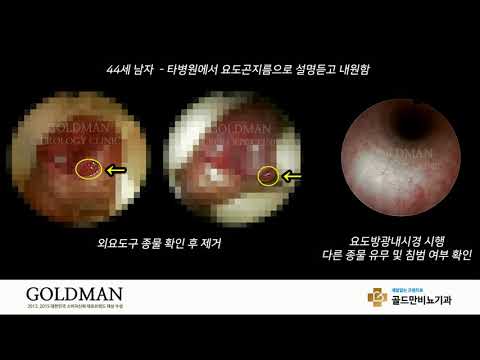
Locations
Fraud-Click Monitoring

boraware active

Request a Phone Consultation

Select Location *
Name *
Contact *
Preferred Contact Time *
Please write your inquiry. (100 characters max) *
Goldman Urology AI curation background image Goldman Urology AI curation background image
Goldman Urology AI curation icon

AI CURATION

Briefly describe your symptoms
to the smart Goldman AI.

Enter your question.
  • e.g. I urinate frequently and always feel residual urine
  • e.g. I feel a burning pain when I urinate
  • e.g. Itchy, stinging blisters on my genitals

Urethral Stricture

Treatment strategy depends on the degree and cause of the narrowing.

Urethral stricture:
a precise first surgery, not repeated treatment, is the key to success.

An accurate first surgery matters more than repeated treatments,
and early treatment is essential for preventing recurrence and speeding recovery.

SINCE 2002, the hub of AI smart healthcare

SINCE 2002, the hub of AI smart healthcare

SINCE 2002, the hub of AI smart healthcare
SINCE 2002, the hub of AI smart healthcare

Urethral stricture: what are the causes?

Urethral stricture is a condition in which the urethra narrows and urine becomes hard to pass.Inflammation or scarring is the main cause. Symptoms such as a weak stream and difficult urination appear and need accurate diagnosis and treatment.
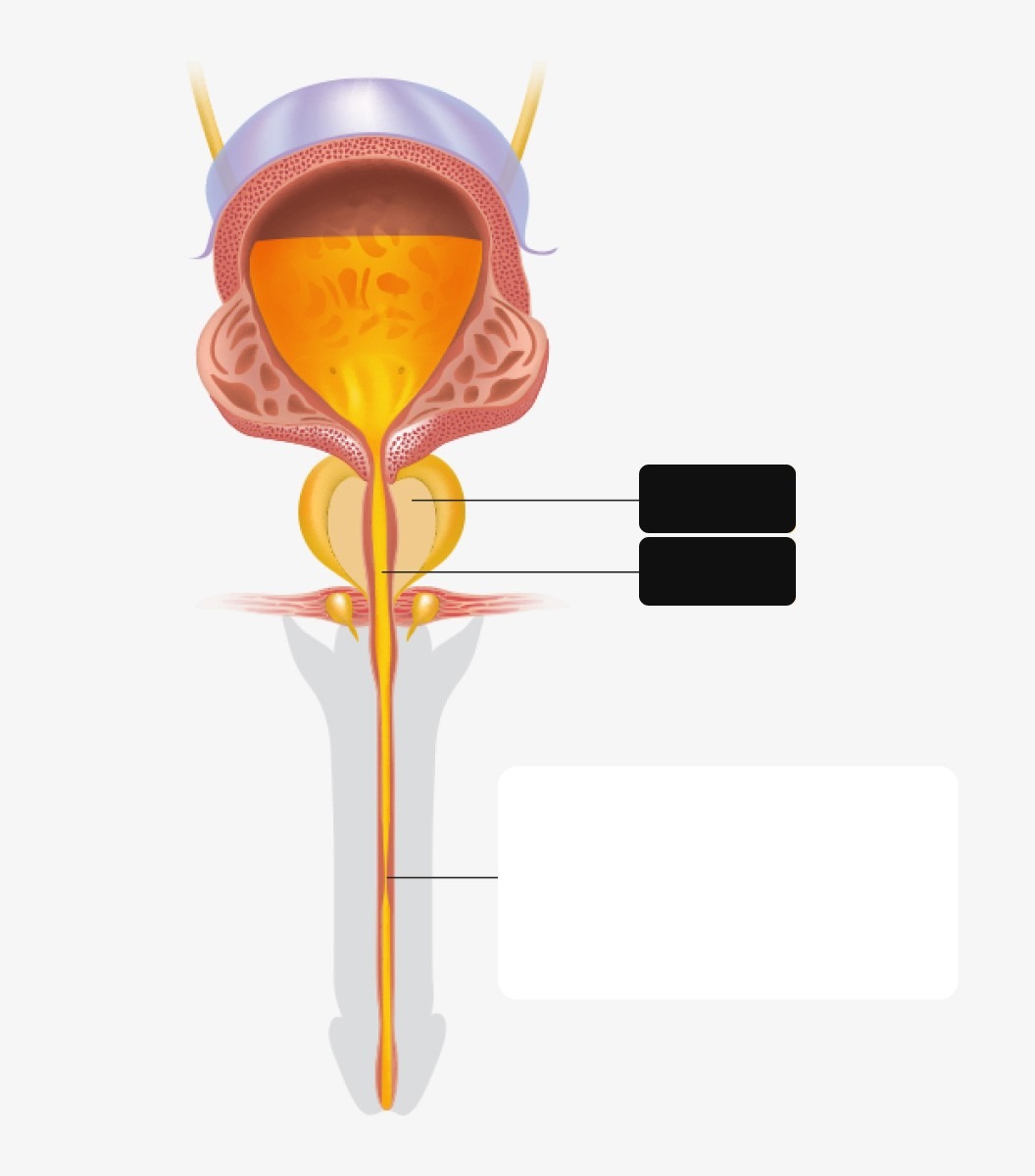
Illustration of the urethral structureBladderUrineProstateUrethraUrethral
stricture
The urethra narrows
because of scarring

Urethral stricture, what are the causes?

The symptoms of urethral stricture resemble benign prostatic hyperplasia (BPH) and are easily confused, so precise diagnosis and early treatment matter. Treatment should start before symptoms worsen and keep damage to a minimum, so Goldman uses minimally invasive, root-cause treatment that prevents recurrence.
  • Man experiencing urethral discomfort

    Inflammation

    Long-term use of a urethral catheter, or complications of a sexually transmitted infection such as gonococcal urethritis, can inflame the urethra and leave scarring behind.
  • Illustration of a pelvic fracture

    Trauma

    Physical impact such as a pelvic fracture or a perineal injury can damage urethral tissue and cause a stricture.
  • Medical procedure instruments

    Complications of medical procedures

    Recently, strictures have been increasing after endoscopic urological procedures (for example urethral endoscopy or prostate surgery) that damage the urethra.
Motif image

Urethral stricture:
what symptoms accompany it?

Urethral stricture causes a variety of symptoms, but they are easy to dismiss early on, so early diagnosis matters. If symptoms continue, a lower quality of life as well as serious complications can follow, so precise diagnosis and treatment are needed.
  • Weak Stream

    The urine stream is thin and weak, so the bladder never feels fully emptied.
  • Split urine stream

    A strong urge to urinate that is hard to hold back.
  • Residual Urine Sensation

    You feel as if urine remains even after voiding.
  • Urinary tract infection symptoms

    Secondary infection caused by the stricture can bring frequent urination, painful urination, and fever.
  • Urinary obstruction

    Urine leaks, or does not come out at all
  • Bleeding and pain at the urethral opening

    Bleeding at the urethral opening or a painful lump may occur.

Diagnosing urethral stricture:
what methods are used?

Urethral stricture is easily confused with benign prostatic hyperplasia (BPH), so it often fails to improve with medical (drug) therapy.
Precise testing is essential for an accurate diagnosis, and with appropriate treatment, symptoms improve quickly.
Medical staff listening

Medical History Review

A detailed interview checks for any history of urethral injury, catheter use, gonococcal urethritis, or endoscopic surgery.
Image representing retrograde urethrography

Retrograde Urethrography

Pinpoints the location and severity of the stricture to plan surgery and evaluate outcomes.
Uroflowmetry

Uroflowmetry and Post-Void Residual Urine Measurement

Measures urine flow rate and residual urine to assess bladder function and voiding.
Urethroscopy

Urethroscopy

Urethroscopy examines the urethra directly; severe strictures can be treated during the same exam.
Urinalysis

Urinalysis

Distinguishes urethral stricture from similar conditions and checks for inflammation or infection.

Urethral stricture treatment:
how is it carried out?

Without an accurate diagnosis, urethral stricture is easily mistaken for benign prostatic hyperplasia (BPH) or other conditions.
It is important to clearly identify the cause through precise testing and receive appropriate treatment.
  • Urethral stent device

    Non-surgical treatment

    Methods that widen or incise the narrowed segment to improve urination include urethral dilation, endoscopic urethrotomy, and urethral stent insertion.
  • Medical team performing surgery

    Surgical treatment

    Surgery that excises the strictured segment and reconnects the urethra; a last resort when recurrence is severe or other treatments are difficult.

Endoscopic Urethrotomy and Urethral Stent Insertion

The strictured urethra is incised with a laser or blade through an endoscope. Conventional incision surgery meant an uncomfortable two-week indwelling catheter, but today stent insertion reduces that discomfort, and the stent keeps the urethra open and supports recovery over 3 months.
  • Endoscopic Urethrotomy

    Endoscopic urethrotomy equipment
  • Urethral Stent Insertion

    Illustration of urethral stent insertion

Wait!
Goldman's Endoscopic Laser Urethrotomy: why is it so popular?

01

Minimal damage
to the urethral mucosa

02

Minimal bleeding,
complete accuracy

03

Rapid symptom relief,
immediate return to daily life

04

Excellent
recurrence prevention

  • Special micro-endoscopic procedure in progress
    Performed with a special micro-endoscope
    Goldman uses a special micro-endoscope to minimize mucosal damage and lower recurrence.
  • Laser procedure in progress
    Performed with a laser
    Goldman uses a laser fiber of 0.3mm or less to minimize damage and bleeding and improve precision.
  • Urethral stent
    Combined with urethral stent insertion
    A urethral stent is inserted during the procedure and kept in place for three months, reducing damage to the urethral lining and supporting recovery.

Questions about urethral stricture? Get answers now.

Goldman's know-how gives clear answers to patients' questions.
  • Yes.Yes. Risk is highest when urethral lining damage is extensive, so treatment should minimize that damage.

  • It occurs mainly in men, and long-term catheter use, urethritis, and pelvic trauma are risk factors.

  • Avoid urethral injury and infection, and keep catheter use to a minimum.

  • Severe cases can cause urinary retention (inability to pass urine), which needs immediate treatment.

  • Urethral stricture is scarring that narrows the urethra, thinning the stream and slowing urination.Benign prostatic hyperplasia (BPH) is an enlarged prostate compressing the urethra, mainly in middle-aged and older men.Both hinder urination, but their causes and treatments differ, so an accurate diagnosis is essential to tell them apart.

It’s Advanced!

TOP 7 Reasons Goldman Leads

GOLDMAN Special 7

1
7
  • Surgery scene
    Urology Only

    25 Years

    1
  • Reviewing treatment data
    Unrivaled Treatment Data

    2 Million+

    2
  • Specialist during surgery
    BPH Surgery Data

    6,500+

    3
  • Urinary stone treatment equipment
    Urinary Stone Treatment Data

    10,000+

    4
  • HoLEP surgery equipment
    Nationwide HoLEP Surgeries

    40.8% Performed

    5
  • Goldman Urology Clinic medical staff
    Experienced Medical Team

    25 Years of Clinical Experience

    6
  • AI symbolic image
    From Diagnosis to Surgery

    State-of-the-Art AI System

    7

Urological concerns?
Solve them at a Goldman near you.

If you consent to the use of location information, you can find the Goldman branch closest to you.