


Low-grade fever, body aches, pain (syphilis, gonorrhea, viral infections, etc.)
Fraud-Click Monitoring
boraware active


AI CURATION
Briefly describe your symptoms
to the smart Goldman AI.
- e.g. I urinate frequently and always feel residual urine
- e.g. I feel a burning pain when I urinate
- e.g. Itchy, stinging blisters on my genitals

Other STDs
If an STD is not treated accurately and in time, it can lead to serious complications such as infertility.
Sexually transmitted infections (STIs): miss one and you may regret it for life.
An accurate diagnosis changes the treatment outcome.
An accurate diagnosis changes the treatment outcome.
The key to treating a sexually transmitted infection (STI) is identifying exactly which type of infection is present.
Only an accurate diagnosis and prompt treatment can effectively prevent recurrence and complications.
Only an accurate diagnosis and prompt treatment can effectively prevent recurrence and complications.
SINCE 2002, the hub of AI smart healthcare
SINCE 2002, the hub of AI smart healthcare
SINCE 2002, the hub of AI smart healthcare
SINCE 2002, the hub of AI smart healthcare
What is an STD?
Sexually transmitted disease (STD) refers to a sexually transmitted infection (STI) that is passed on through sexual contact regardless of whether symptoms are present.
Not only gonorrhea and syphilis but also chlamydia, HPV, and genital herpes infections are on the rise, and left untreated they can lead to serious complications such as urethral stricture, prostatitis, and infertility.
Prompt diagnosis and treatment are therefore needed whenever suspicious symptoms appear.
Not only gonorrhea and syphilis but also chlamydia, HPV, and genital herpes infections are on the rise, and left untreated they can lead to serious complications such as urethral stricture, prostatitis, and infertility.
Prompt diagnosis and treatment are therefore needed whenever suspicious symptoms appear.
STDs are classified in various ways by the causative pathogen.
-
Bacterial infection
Chlamydia infection, gonorrhea, syphilis, chancroid, non-gonococcal urethritis, and others -
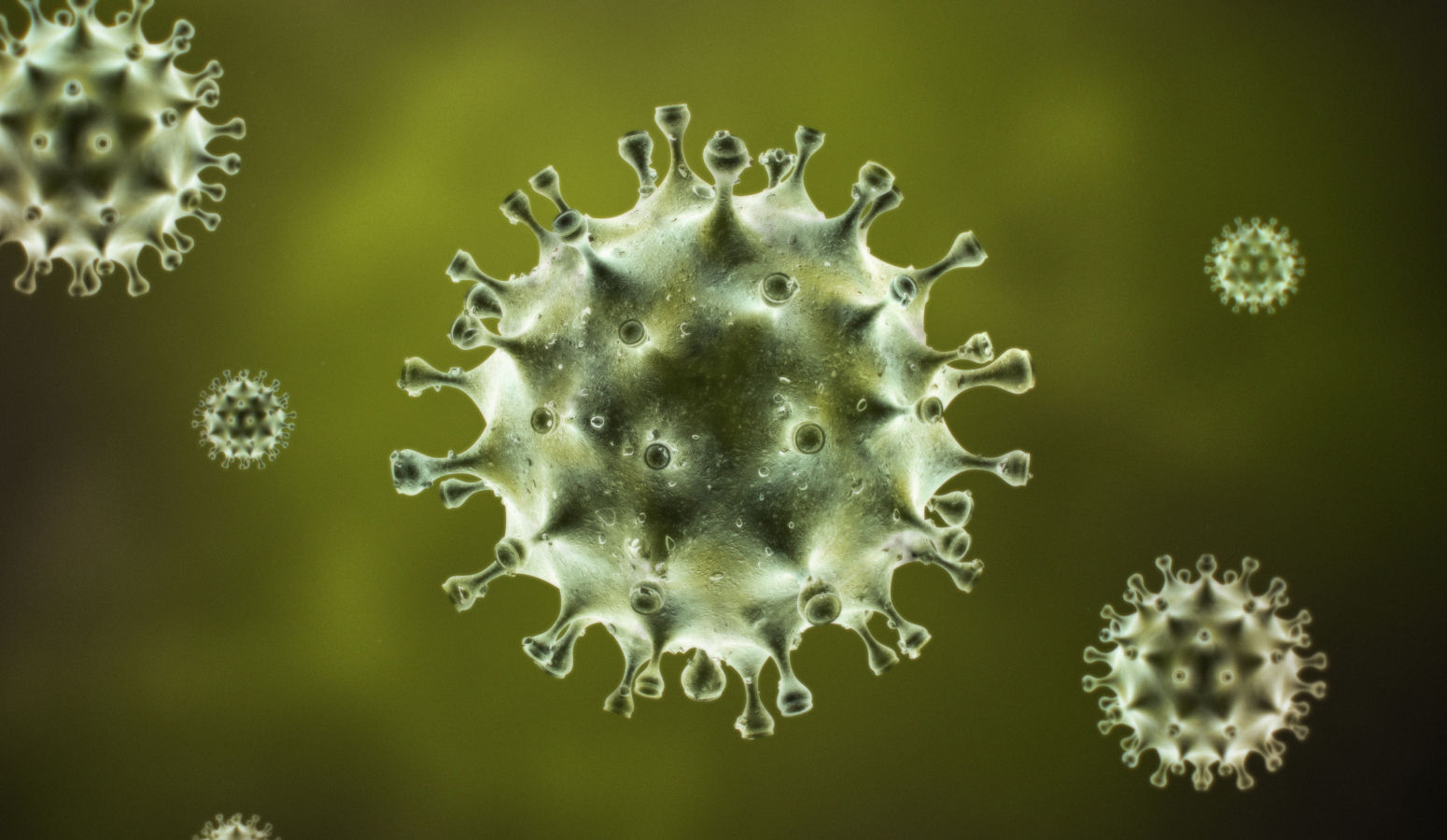
Viral infections
Genital herpes, condyloma (genital warts), cervical cancer, AIDS, and others -
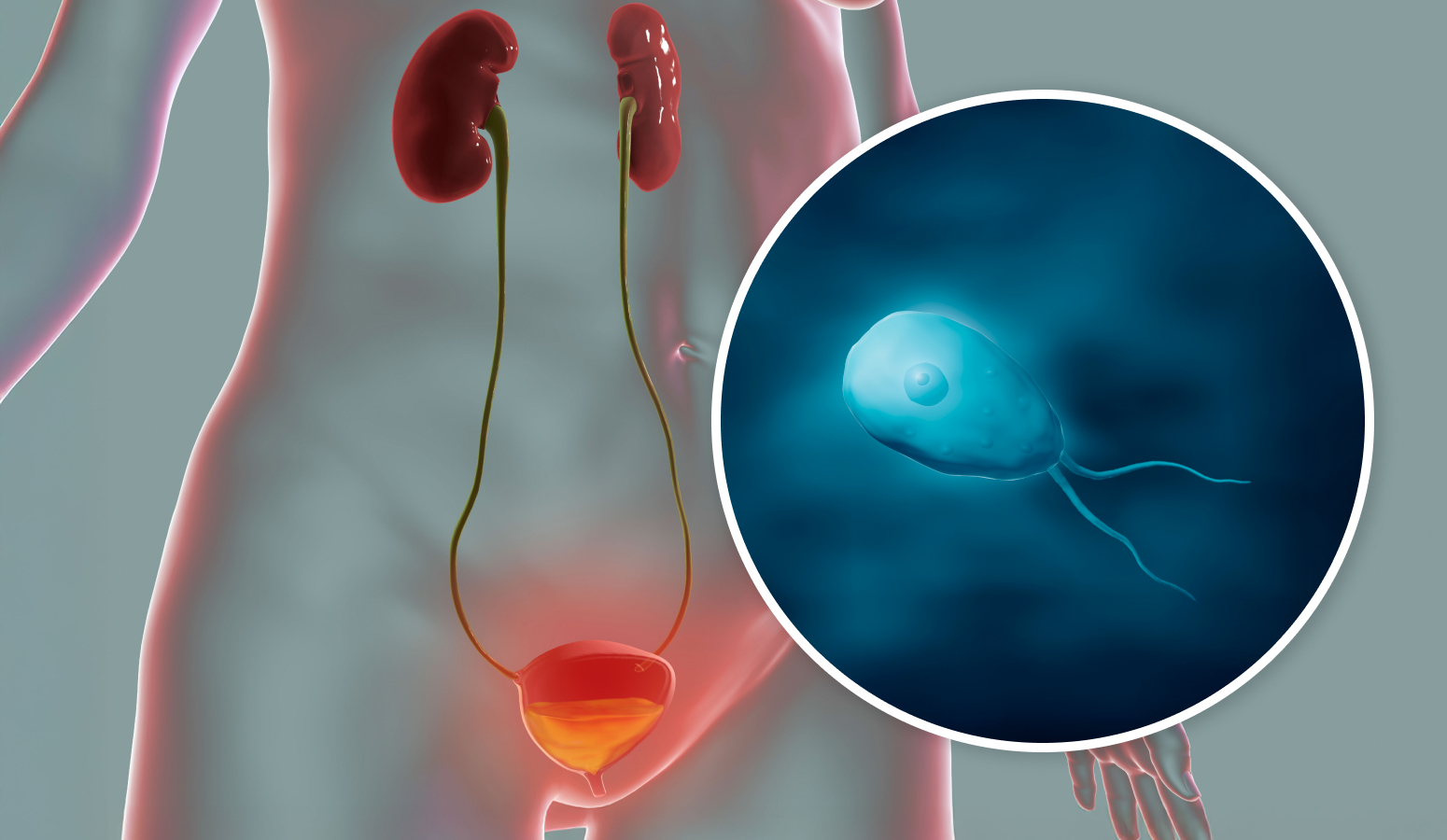
Protozoal infections
Trichomonas vaginitis, amebic urethritis, and others -

Parasitic infections
Pubic lice, scabies, and others
Sexually transmitted infections (STIs): what symptoms do they cause?
Sexually transmitted infections (STIs) can be accompanied by a wide range of symptoms, from low-grade fever, body aches, and pain to genital discharge, ulcers, and skin rash.
In some cases there may be no symptoms at all, or they may be very mild, so caution is needed.
In some cases there may be no symptoms at all, or they may be very mild, so caution is needed.
- Increased genital or vaginal discharge (gonorrhea, urethritis)
- Ulcers (syphilis, herpes)
- Blisters or warts (herpes, condyloma)
- Skin rash or hair loss (scabies, syphilis)
- No symptoms

Diagnosing STIs:
what methods are available?

Medical interview and visual examination
A medical interview and skin examination confirm the basics needed to diagnose an STD.

Bacterial culture test
A bacterial culture test cultures the causative organism to identify its type and check antibiotic sensitivity.

Multi-PCR test
Gene amplification testing (PCR) detects a wide range of causative pathogens at once, so even asymptomatic infections are diagnosed accurately.

Urine inflammation test
Urethral discharge and urine are examined at once under a microscope to quickly detect inflammation.

Blood antibody test
Checking antibodies formed after infection shows the timing and stage, and is especially useful for viral STDs and asymptomatic infections.

Urethral endoscopy
An ultra-fine endoscope shows even lesions inside the urethra invisible to the naked eye, supporting accurate diagnosis and treatment.
The first step in diagnosis — check points of Goldman's Multi-PCR test
-
More accurate, sensitive, and faster than conventional bacterial culture.
-
Rapidly detects many pathogens, including HPV, gonorrhea, chlamydia, and mycoplasma.
-
Beyond confirming infection, it identifies the bacteria type and any drug resistance.
-
As the first urology clinic to adopt PCR testing, Goldman draws on deep experience and varied cases for more precise diagnoses.
Could my symptoms be an STD too?
Don't leave even mild symptoms unattended.
You can check your health with a 1-minute self-assessment.
You can check your health with a 1-minute self-assessment.

Think you may have an STI?
STI types · symptoms · treatment at a glance

What is chlamydia?
Chlamydia is a very common sexually transmitted infection (STI) caused by the bacterium Chlamydia trachomatis, and because many infections are asymptomatic, it is hard to know whether you are infected. Infection rates are especially high among adult women aged 30 and under, and without proper treatment it can lead to serious complications.
Chlamydia symptoms
| Male | Female | |
|---|---|---|
| Symptoms |
· Frequent urge to urinate · Pain or burning when urinating · Clear or sticky mucous discharge · Testicular pain or swelling |
· Pain or burning when urinating · Increased vaginal discharge · Pelvic pain or abdominal discomfort · Abnormal vaginal bleeding |
| Complications |
· Chronic urethritis · Bacterial prostatitis · Epididymitis, which can cause infertility · Conjunctivitis |
· Urethritis, which causes painful urination · Cervicitis · Fallopian tube, ovarian, and endometrial inflammation · Pelvic inflammatory disease leading to infertility · Ectopic pregnancy or premature rupture of the membranes |
Chlamydia diagnosis
-
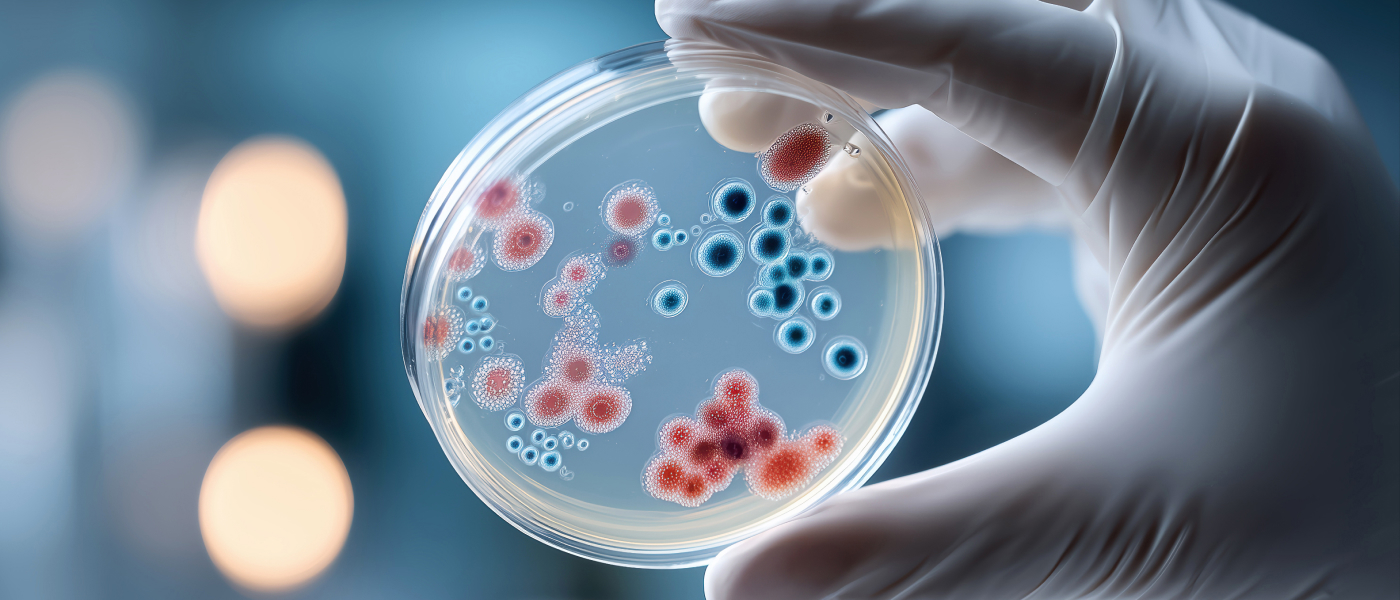 Standard tests
Diagnosis can be made through urinalysis, microscopic examination, antibody testing, and bacterial culture. However, urine or microscopic tests sometimes fail to detect the infection, and blood or antibody tests have limited accuracy. -
 Genetic amplification test (Multiplex PCR test)
Diagnosis is made by detecting the specific DNA of the pathogen, so accuracy is excellent. The Multi-PCR test checks for chlamydia and any co-infecting organisms at the same time, greatly reducing the time needed for diagnosis and treatment.


Chlamydia treatment
Goldman's key points for managing chlamydia
-

Check
If you have had sexual contact that raises concern for chlamydia or develop symptoms,
it is best to consult a specialist right away and get diagnosed promptly. -
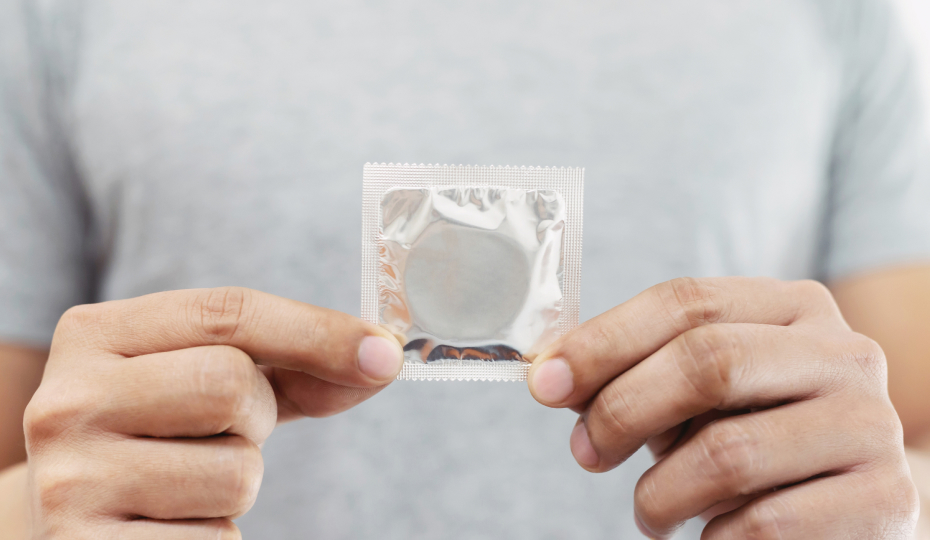
Check
The most effective prevention method known to date is
using a condom during sexual intercourse. -

Check
You must be treated together with your sexual partner
to prevent complications from developing.


What is ureaplasma?
Ureaplasma symptoms
Ureaplasma infections are usually asymptomatic or mild and therefore hard to notice, but symptoms such as dysuria, mucous discharge, and urinary frequency can occur.
In women in particular, an infection during pregnancy can raise the risk of complications such as preterm birth or recurrent miscarriage.
In women in particular, an infection during pregnancy can raise the risk of complications such as preterm birth or recurrent miscarriage.
| Male | Female | |
|---|---|---|
| Symptoms |
· Frequent urge to urinate · Pain or burning when urinating · Clear or sticky mucous discharge · Testicular pain or swelling |
· Pain or burning when urinating · Increased vaginal discharge · Pelvic pain or abdominal discomfort · Abnormal vaginal bleeding |
| Complications |
· Chronic urethritis · Bacterial prostatitis · Epididymitis, which can cause infertility · Conjunctivitis |
· Urethritis, which causes painful urination · Cervicitis · Fallopian tube, ovarian, and endometrial inflammation · Pelvic inflammatory disease leading to infertility · Ectopic pregnancy or premature rupture of the membranes |
Ureaplasma diagnosis
-
Genetic amplification test (Multiplex PCR test)
Diagnosis is made by detecting the specific DNA of the pathogen, so accuracy is excellent. The Multi-PCR test checks for ureaplasma and any co-infecting organisms at the same time, greatly reducing the time needed for diagnosis and treatment. -
 Medication Therapy
Ureaplasma has no cell wall, so it does not respond to ordinary antibiotics. It is therefore treated with specific antibiotics such as doxycycline or azithromycin.

Goldman's key points for managing ureaplasma
-
Check
Ureaplasma is often symptom-free, so it easily goes unnoticed and untreated. Once sexually active, regular testing is advisable. -
Check
The most effective prevention to date is wearing a condom during intercourse. -
Check
You and your sexual partner must be treated together to prevent complications. -
Check
During treatment, avoid intercourse and finish all medication to prevent treatment failure and recurrence.

What is gonorrhea?
Gonorrhea is a sexually transmitted infection caused by the bacterium Neisseria gonorrhoeae, and it mainly causes inflammation of the urethra in men and the cervix in women.
The bacteria spread through sexual contact and, once infection occurs, can invade the genitals and various other parts of the body and cause symptoms.
The bacteria spread through sexual contact and, once infection occurs, can invade the genitals and various other parts of the body and cause symptoms.
Gonorrhea

Sites where gonorrhea can be contracted
 Cornea, oral mucosaThroat, pharynxUrethra, urethral glands, epididymis, anus, rectumCornea, oral mucosaThroat, pharynxCervix, uterus, fallopian tubesUrethra, urethral glands, vagina, anus, rectum
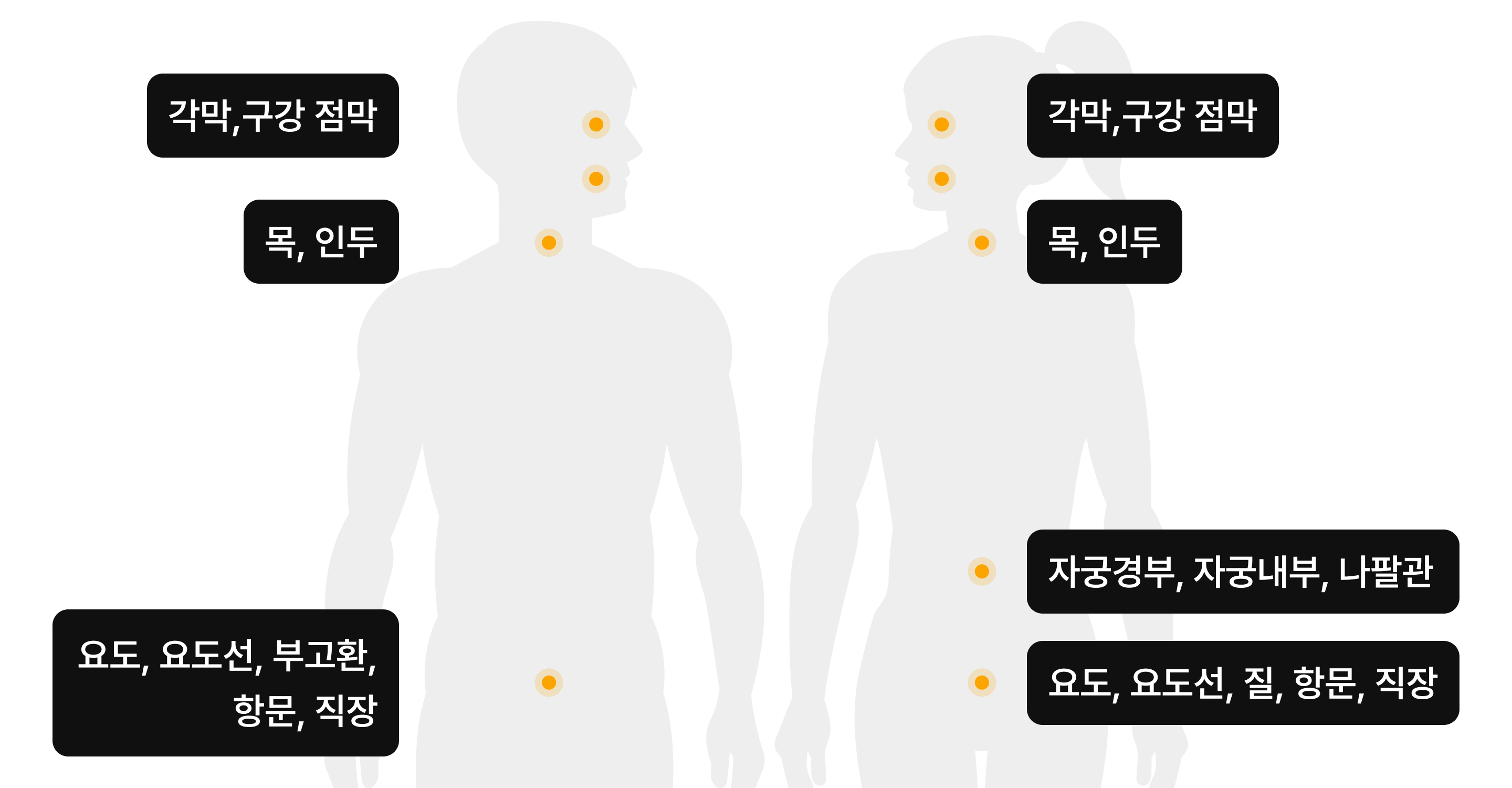 Cornea, oral mucosaCornea, oral mucosaThroat, pharynxThroat, pharynxCervix, uterus, fallopian tubesUrethra, urethral glands, epididymis, anus, rectumUrethra, urethral glands, vagina, anus, rectum
Gonorrhea symptoms
The incubation period for gonorrhea is usually 2 to 7 days, and symptoms may appear later, especially in women.
Infection during pregnancy can cause complications in the baby such as meningitis, blindness, and arthritis, so early treatment is important.
Infection during pregnancy can cause complications in the baby such as meningitis, blindness, and arthritis, so early treatment is important.
| Male | Female | |
|---|---|---|
| Symptoms |
· Pain or burning when urinating · Yellow urethral discharge · 15–20% of those infected have no symptoms |
· Most cases are asymptomatic or cause only mild symptoms · Pain or burning when urinating · Yellow-green vaginal discharge and an increase in discharge · Irregular bleeding · Lower abdominal pain and fever when the uterus or fallopian tubes are infected |
| Complications |
· Urethral stricture · Periurethritis · Prostatitis · Epididymitis, which can lead to infertility |
· Endometritis and cervicitis · Irregular menstruation · Recurrent miscarriage · Pelvic inflammatory disease leading to infertility · Perivaginal inflammation, cystitis, and more |
How Gonorrhea Is Diagnosed
-
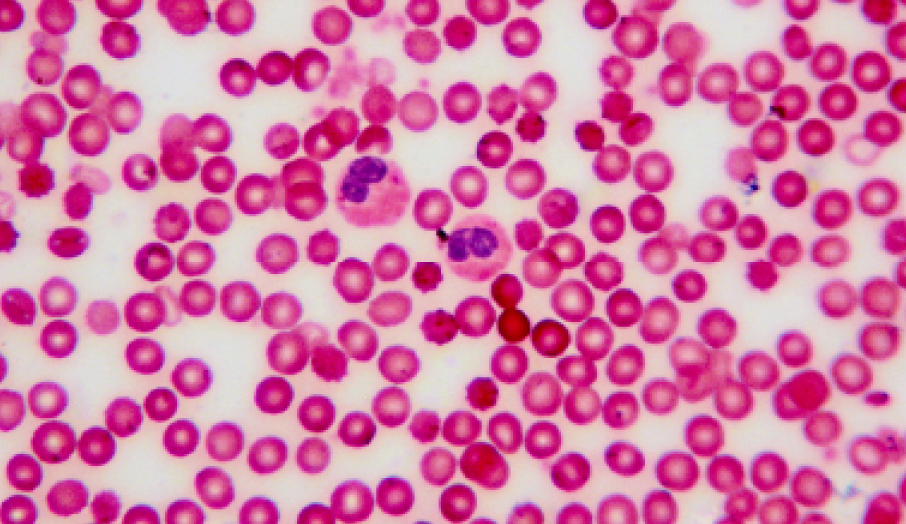 Gram StainGonococcus can be seen on a Gram stain of urethral or vaginal discharge, but it is missed in over 50% of cases, limiting accuracy.
 -
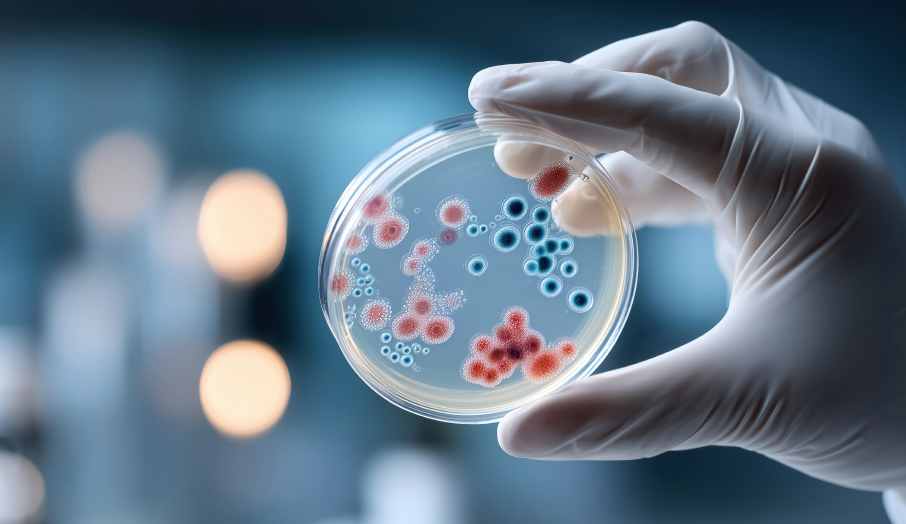 Bacterial culture testDischarge from the suspected site is cultured to identify gonococcus, but it needs a special medium and demanding conditions, so accuracy tends to be low.
 -
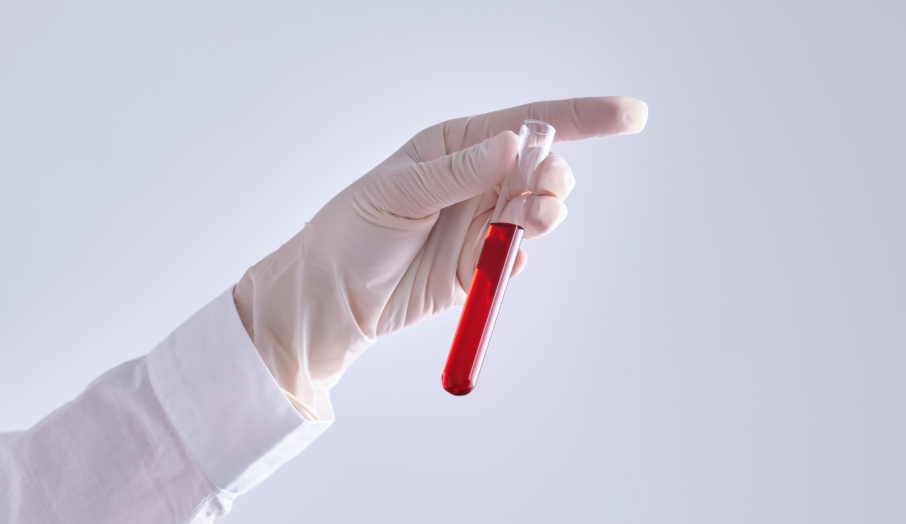 Genetic amplification test (Multiplex PCR test)
Detecting specific bacterial DNA gives this method outstanding accuracy. Multi-PCR identifies gonococcus and co-infecting organisms in a single test, greatly shortening time to diagnosis and treatment.


How Gonorrhea Is Treated

Medication Therapy
Goldman's key points for managing gonorrhea
-

Check
Alcohol weakens immunity, so avoid it during treatment. -
Check
The most effective prevention to date is wearing a condom during intercourse. -
Check
You and your sexual partner must be treated together to prevent complications. -
Check
During treatment, avoid intercourse and finish all medication to prevent treatment failure and recurrence.


What is syphilis?
Causes and Routes of Syphilis Infection
Symptoms of Syphilis
-
Primary Syphilis
· A painless skin ulcer appears 10 to 90 days after sexual contact
· Usually on the genitals or around the anus, it clears on its own in 3 to 6 weeks
· Untreated at this stage, it becomes secondary syphilis, with bacteria spreading through the blood to the whole body
-
Secondary Syphilis
· Six to eight weeks after infection, cold-like symptoms appear with generalized lymphadenopathy
· Painless, non-itchy red spots appear on the hands, feet and trunk
· Skin rash and hair loss may develop, or it may progress to the next stage with no rash at all
-
Tertiary Syphilis
· Three to twelve years later it can invade the nervous system (neurosyphilis)
· Gummas form in the skin, bones, liver, and other organs
· Headache, fever, and neck stiffness may occur, and seizures or paralysis can also develop
· Loss of vision and hearing may occur, and cardiovascular syphilis can cause heart disease
-
Latent Syphilis
· A symptom-free period of several months to several years or more after primary and secondary symptoms subside
· Divided into early and late latent stages at the one-year mark
· Extremely dangerous, as syphilis keeps progressing even without symptoms
Diagnosing Syphilis
-
 Darkfield Microscopy
This is the first test performed when syphilis is suspected. Examining a specimen taken from a painless ulcer under a microscope allows the syphilis bacteria to be identified directly. However, it has the drawback that it cannot be performed when no lesion is present. -
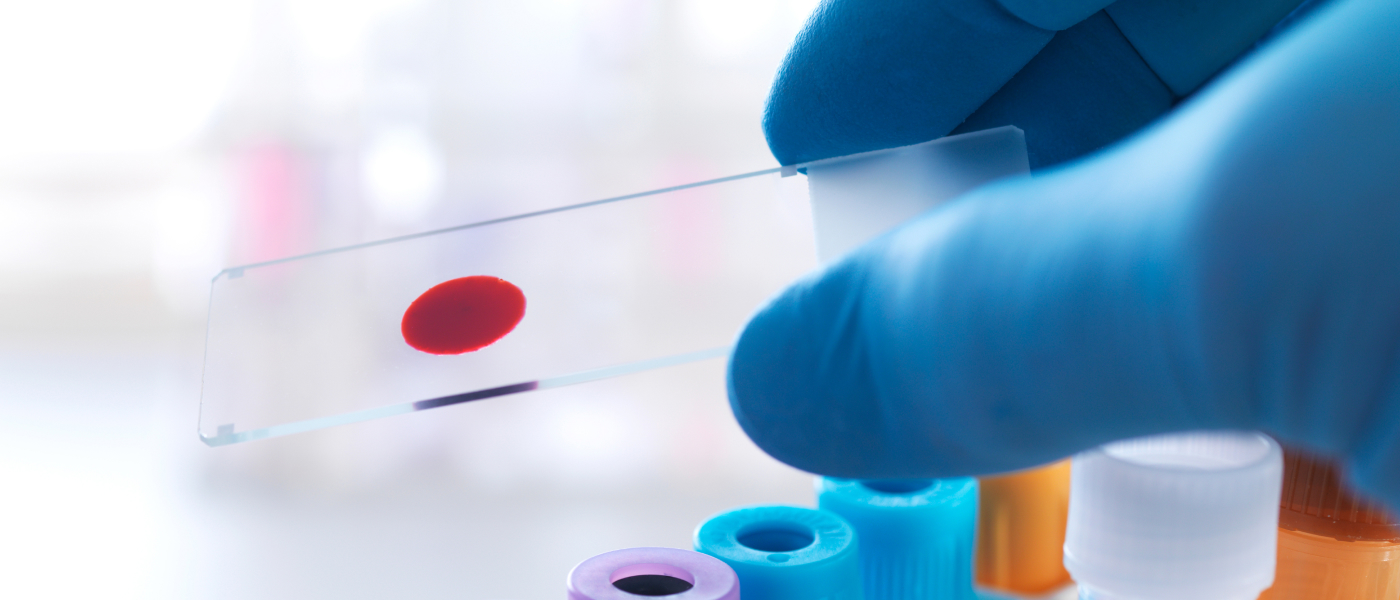 Serologic TestingWhen no lesion is present, a blood test can be done.
1Screening TestA positive result appears about 2 weeks to 3 months after infection, with around 50-70% sensitivity. As a non-treponemal test, however, it can give false positives with autoimmune diseases or viral infections. 2Additional Confirmatory TestIf syphilis is suspected but screening is negative, an FTA-ABS test is done. Its 70-90% sensitivity helps confirm the diagnosis.


Treating Syphilis
Medication Therapy
Early syphilis (primary, secondary, and early latent) is treated with one penicillin injection; late latent and cardiovascular syphilis need three injections one week apart.
Goldman's Key Points in Syphilis Treatment
-
Even with the correct medication, about 10% of cases relapse, so follow-up testing after treatment is essential.
-
For primary, secondary, and early latent syphilis, blood tests are done 1, 3, 6, and 12 months after treatment; for late latent and tertiary syphilis, follow-up continues through 12 and 24 months to confirm treatment success.

Pubic Lice
| Male | Female | |
|---|---|---|
| Sites of Infestation | Pubic hair (around the penis), the scrotum, lower abdomen, inner thighs, and sometimes chest, underarm, and beard hair | Pubic hair (around the vulva), the skin around the vaginal opening, the lower abdomen, the inner thighs, and rarely underarm hair, eyelashes, and eyebrows |
Symptoms of Pubic Lice
- Severe itching in the pubic area
- Skin discoloration (gray or bluish)
- Development of a skin rash
- Lice or eggs attached to pubic hair or underwear
The Pubic Lice Diagnostic Process
-
StepChecking Symptoms and Exposure HistoryClinical symptoms such as itching and contact history are examined closely.
-
StepCollecting Skin and Hair SamplesSkin and hair from the affected area are collected as test specimens.
-
StepMicroscopic ExaminationThe collected specimens are examined under a microscope to directly identify adult pubic lice, their eggs, and their droppings.
-
StepAdditional Differential TestingWhen symptoms are unclear or another infection is possible, additional tests are performed to help ensure an accurate diagnosis.
Pubic Lice Treatment
Pubic lice infestation requires prescription medication, and a single course of treatment may not eradicate them completely, so follow-up treatment and regular consultation with medical staff are necessary.
Goldman's Key Points in Treating Pubic Lice
-
A female pubic louse can live up to 40 days and lay roughly 100 to 300 eggs. Pubic lice can survive 2 to 3 days away from the human body, so anything that may have been exposed should be boiled or sealed in a bag. -
Sexual partners must be treated together, and condom use alone cannot fully prevent transmission. If you suspect symptoms or exposure, seek an accurate diagnosis and professional treatment. Prompt treatment and thorough care effectively block reinfection and transmission.

What Is Scabies?
| Male | Female | |
|---|---|---|
| Sites of Infestation | Between the fingers, wrists, inner elbows, armpits, around the navel, scrotum (testicles), around the penis, buttocks, inner thighs | Between the fingers, wrists, inner elbows, under or between the breasts, armpits, around the navel, buttocks, inner thighs, around the vulva |
Scabies Symptoms
- Itching that worsens at night
- Itching that worsens in warm places
- Skin lesions
- Rapid onset of symptoms upon reinfestation
Scabies Diagnostic Process
-
StepSymptom ReviewWe carefully review the itching that worsens at night and any skin changes in the affected areas.
-
StepSkin Lesion ExaminationWe examine characteristic sites such as between the fingers and the armpits for rashes and burrow tracks.
-
StepSkin Scraping TestA sample scraped from the affected skin is examined under a microscope for mites or eggs.
-
StepConfirmed DiagnosisFinding the mite confirms the diagnosis, though clinical symptoms alone can also suffice.
Scabies Treatment

After treatment, shower in the morning so the medication is completely removed, and wash the clothing and bedding you used, then store them separately for three days.
If a secondary bacterial infection or severe itching persists, antibiotics, antihistamines, or steroids may be used as prescribed by a physician.
Goldman's Key Points in Managing Scabies
-
Washing bedding, clothing, and towels frequently and not sharing them with others helps prevent infestation.
-
In shared and group living spaces, keep personal belongings separate and minimize contact.
-
If itching is severe, keep nails short and avoid scratching to prevent secondary bacterial infection.
-
Even without symptoms, have regular skin checks and consult medical staff until treatment is complete.

What Is AIDS?
Main routes of HIV transmission through body fluids
HIV is present in the body fluids of a person with AIDS, but not all of them are infectious.
It is transmitted only through blood, semen, vaginal fluids, breast milk, and cerebrospinal fluid, not through everyday contact.
It is transmitted only through blood, semen, vaginal fluids, breast milk, and cerebrospinal fluid, not through everyday contact.
-
 If you have had sexual contact
with a person infected with HIV -
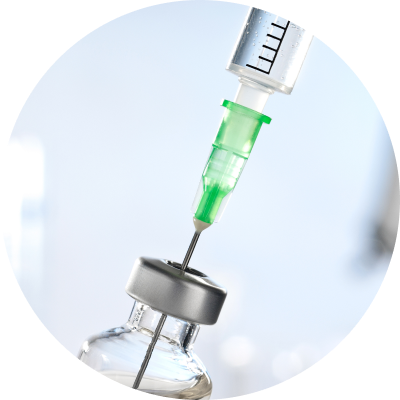 Sharing syringes or
needles with a person infected with HIV -
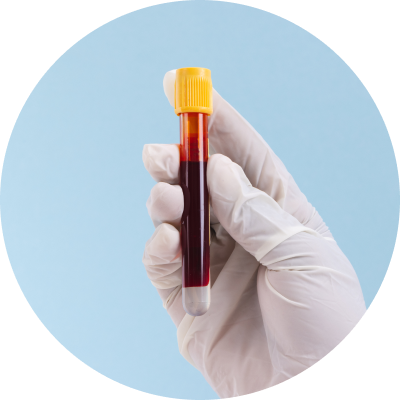 Receiving a transfusion of
HIV-infected blood -
 Mother-to-child transmission during pregnancy, childbirth, or breastfeeding from an HIV-positive mother
 -
 An accident during a medical procedure
performed on an infected person


Symptoms of AIDS
- Severe fatigue and weakness
- Rapid weight loss
- Persistent fever of unknown cause
- Heavy night sweats
- Inflammation of the skin, mouth, genitals, or anal area
- White patches in the mouth or throat
- Chronic diarrhea
- Persistent cough and swollen lymph nodes
- Recent memory loss
How AIDS Is Diagnosed
| Test Method | Sample Collection | When Testing Is Possible (from the suspected exposure date) | Advantages | |
|---|---|---|---|---|
| HIV RT PCR Nucleic Acid Test (NAT) | Venous blood draw (5–10cc) | 3–4 days | After 10–14 days | The earliest HIV screening test to give a result |
| HIV 4th-generation antigen/ antibody test | Venous blood draw (5–10cc) | 1 day | From day 16 | As a 4th-generation test, it can detect infection about a week earlier than previous methods, making it useful for early diagnosis |
| HIV Rapid Test | A single drop of blood | 10–15 minutes | From day 22 | A 3rd-generation test with rapid results |
| OraQuick Test | Oral mucosa | 10–15 minutes | From day 22 | Uses an oral mucosa sample for rapid results |
AIDS Treatment

To date, there is no way to definitively eliminate HIV or cure AIDS.
That said, the virus is known to rebound rapidly soon after medication is stopped, so taking the medication consistently is important.
Goldman's Key Points for Preventing HIV Infection
-
Check
Using a condom correctly during sex is
the most effective way to prevent infection. -
Check
Avoid sexual contact with multiple or unknown partners, and
if your sexual partner is infected, be sure to get tested beforehand. -
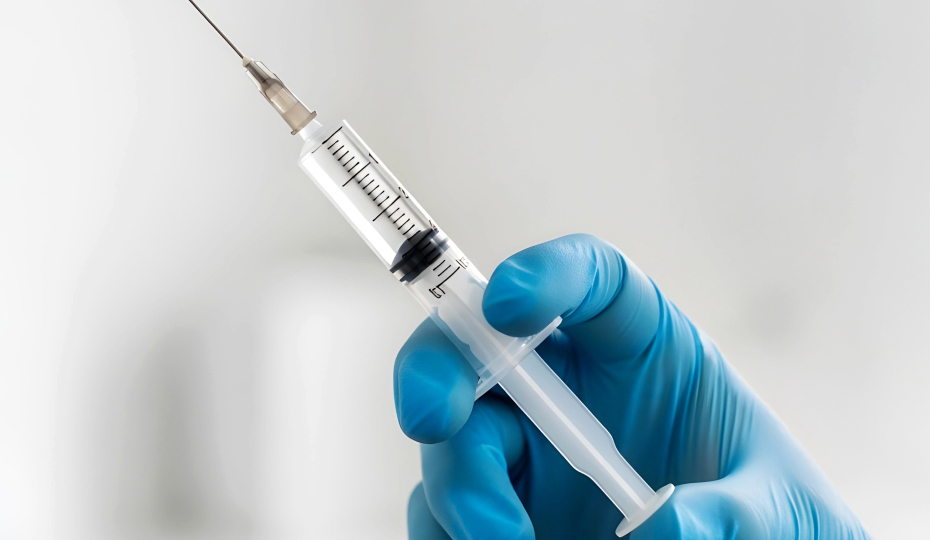
Check
Avoid exposure to blood or bodily fluids, such as sharing needles. If exposure is possible, start preventive medication (PEP) within 72 hours.

AIDS Treatment and Management at Goldman
-
Even after a positive diagnosis, consistent antiretroviral therapy (ART) can suppress the activity of the virus.
-
When treatment keeps the virus 'undetectable', the chance of transmitting it is virtually zero.
-
Regular blood tests and immune checks are needed to monitor your health.
-
To protect immunity, keep a regular routine, eat well, and stay up to date on vaccinations.

What is molluscum contagiosum?
How Molluscum Contagiosum Spreads
The molluscum contagiosum virus spreads through everyday skin contact as well as sex.
-
 Sexual intercourse as well as
hugging and skin-to-skin contact -
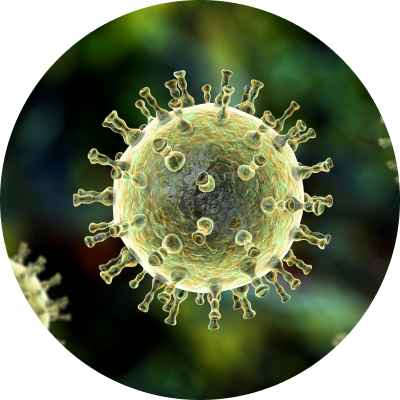 Transmission not only through genital, anal, and oral mucosa
but also through ordinary skin -
 Indirect infection through items
such as towels, clothing, and bedding


Symptoms of Molluscum Contagiosum

· Shape: small round bumps, typically with a slight central dimple
· Color: pink, white, or pearly
· Location: anywhere on the body, including face, arms, legs, abdomen, neck, and genitals
How Molluscum Contagiosum Is Diagnosed
-
 Lesion ExaminationThe characteristic lesions are usually enough for diagnosis, though rarely a biopsy is needed.
 -
Genetic amplification test (Multiplex PCR test)
Gene amplification (PCR) testing diagnoses the molluscum contagiosum virus more accurately. Multi-PCR goes further, detecting the virus and every possible co-infecting organism at once.

Molluscum Contagiosum Treatments
-
 Watchful Waiting
In some cases the condition clears up on its own over time as immunity improves. However, this process can take from several months to more than a year, and there is a risk that the lesions will spread or that the infection will be passed to others. -
 Medication Therapy
Topical agents such as ointments and creams can be used to reduce the lesions or induce an immune response. However, the effect appears gradually and may be accompanied by skin irritation, so a doctor's prescription and guidance are required. -
 Local Removal Treatment
Removing the skin lesions directly can be expected to produce rapid results. Alongside traditional methods such as cryotherapy and curettage, laser treatment — which reduces pain and bleeding — has recently been preferred.


Goldman's Key Points for Managing Molluscum Contagiosum
-
Condoms help when lesions are only on the genitals, but lesions usually appear elsewhere too, so full prevention is difficult.
-
Until treatment is complete, avoid physical contact, including sex.

What Is Granuloma Inguinale?
· Route of infection: sex with an infected person, contaminated hands or food, and mother-to-fetus transmission
· Early symptoms: a small, itchy bump on the outer genitals
· Main symptoms
- Small bumps and firm lumps form, and over time red, painless sores appear - In addition to large skin ulcers, in men the scrotum may swell to the size of a soccer ball - Left untreated, it can invade bones and organs and become life-threatening
How Granuloma Inguinale Is Diagnosed
-
Bacterial Staining and Microscopic Examination
A special stain is applied to a sample taken from the skin lesion to identify the causative organism. The stained bacteria can be observed under a microscope, which helps determine infection quickly. -
Genetic amplification test (Multiplex PCR test)
Gene amplification (PCR) testing diagnoses Klebsiella granulomatis more accurately. Multi-PCR goes further, detecting the granuloma inguinale organism and every possible co-infecting organism at once.
The Granuloma Inguinale Treatment Process
-
StepAccurate DiagnosisBeyond clinical symptoms, a definitive diagnosis requires bacterial culture or PCR testing.
-
StepAntibiotic Prescription and CourseAntibiotics such as azithromycin and doxycycline are taken consistently for 1 to 3 weeks.
-
StepFollow-Up on Treatment ProgressSymptom improvement is checked regularly, and additional treatment or testing is performed if needed.
-
StepTesting and Treatment of Sexual PartnersTo prevent the infection from spreading, sexual partners are advised to be tested and treated as well.
Goldman's Key Points for Managing Granuloma Inguinale
-
Correct condom use is the most effective prevention. Also avoid indiscriminate sex with multiple partners. -
Get regular STI testing so infection is caught early.
-
If infection is confirmed, start antibiotics immediately as diagnosed and prescribed by a specialist, and continue until fully cured.
-
Keep your personal hygiene and living environment clean, and visit a medical institution immediately if you notice any suspicious symptoms.

What is lymphogranuloma venereum?
Symptoms of lymphogranuloma venereum
Lymphogranuloma venereum can be divided into stages 1, 2, and 3 depending on how far the infection has progressed. Without early diagnosis and treatment, treatment takes longer and complications may develop.
If symptoms appear, it is important to visit a medical institution immediately for an accurate diagnosis and appropriate treatment.
If symptoms appear, it is important to visit a medical institution immediately for an accurate diagnosis and appropriate treatment.
-
Stage 1 lymphogranuloma venereum
· Occurs 3–21 days after infection
· A small painless papule forms where the bacteria entered, or a blister bursts and becomes an ulcer
-
Stage 2 lymphogranuloma venereum
· Symptoms appear 10–30 days after infection, and in some cases up to 6 months later
· A painful lump forms in the groin and gradually grows larger over time
· Cold-like symptoms such as headache, mild fever, and vomiting, or spots elsewhere on the body
-
Stage 3 lymphogranuloma venereum
· Spreads to the anus, causing bleeding, itching, and constipation
· In severe cases, weight loss may occur
How lymphogranuloma venereum is diagnosed
-
 BiopsyTissue from the lesion is examined under a microscope to directly check cell changes and the state of the infection.
 -
 Immunofluorescence assayA test that labels the bacteria using antibodies and observes them under a microscope, used to confirm whether an infection is present.
 -
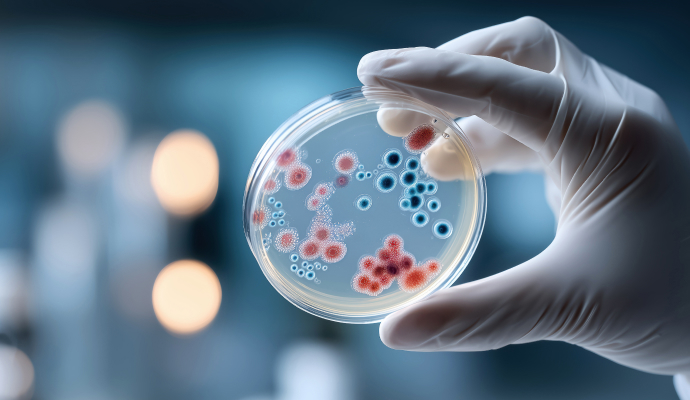 Bacterial culture testPus from the lump is cultured for bacteria; it succeeds in only about 30% of infected patients, so accuracy is somewhat low.
 -
 Gene amplification test (PCR test)A sample from the lesion is analyzed by amplifying the bacteria's genes, giving a highly accurate and rapid diagnosis.


How lymphogranuloma venereum is treated
-
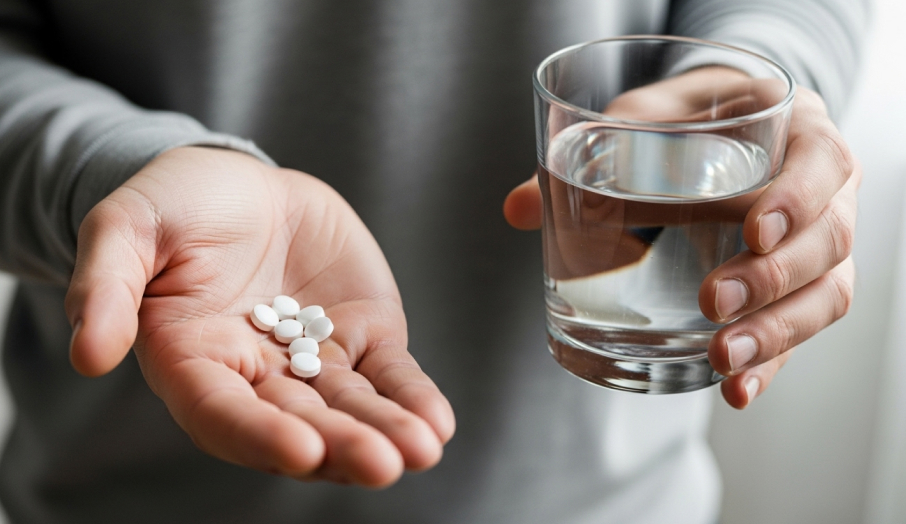 Medication TherapyLymphogranuloma venereum takes longer and is harder to treat than other chlamydia infections; antibiotics and other medication are the first-line treatment.
 -
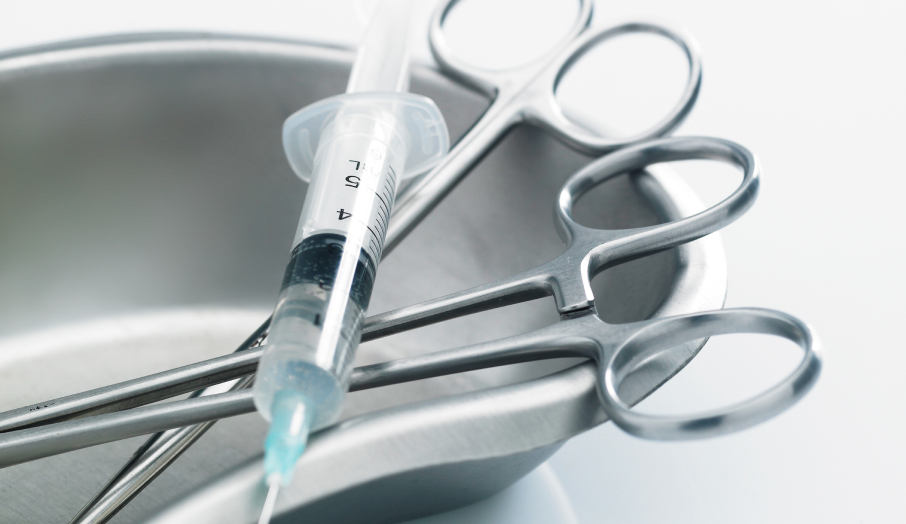 Pus drainageIf the groin lump is too large, draining the pus with a syringe can shorten treatment.
 -
 Surgical treatmentSurgery is performed only when anal stricture or severely scarred skin lesions remain after medication.


Goldman's key points for managing lymphogranuloma venereum
-
Using a condom correctly during intercourse is the most effective prevention.
-
To prevent reinfection, sexual partners and family members living with you should also be tested and treated.
-
Keep your personal hygiene and living environment clean, and visit a medical institution immediately if you notice any suspicious symptoms.
-
If infection is confirmed, start antibiotics immediately as diagnosed and prescribed by a specialist, and continue until fully cured.
It’s Advanced!
TOP 7 Reasons Goldman Leads
GOLDMAN Special 7
1
7
-
 Urology Only
25 Years
1 -
 Unrivaled Treatment Data
2 Million+
2 -
 BPH Surgery Data
6,500+
3 -
 Urinary Stone Treatment Data
10,000+
4 -
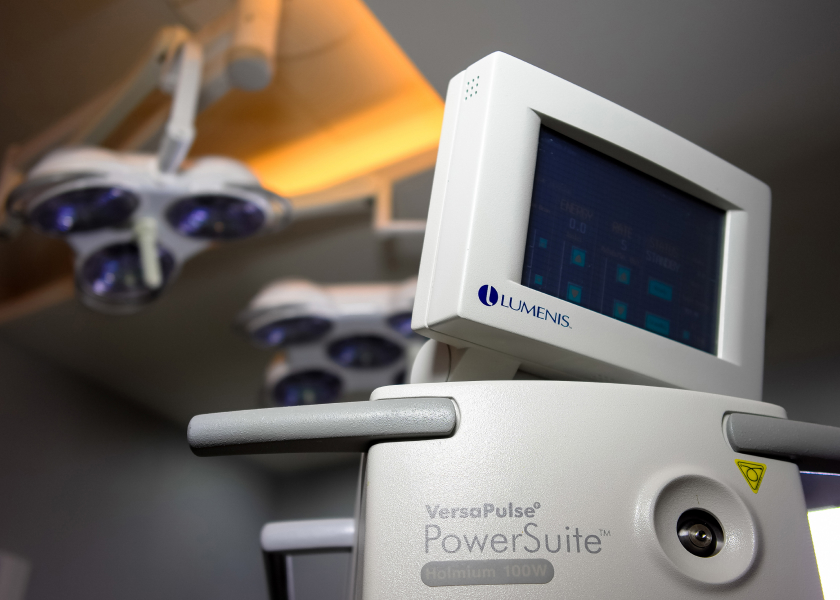 Nationwide HoLEP Surgeries
40.8% Performed
5 -
 Experienced Medical Team
25 Years of Clinical Experience
6 -
 From Diagnosis to Surgery
State-of-the-Art AI System
7


Have questions about STDs? Get them answered now.
Goldman's know-how gives clear answers to patients' questions.
-
STI testing usually screens for major sexually transmitted infections such as HIV, gonorrhea, chlamydia, syphilis, genital herpes and genital warts (HPV). Depending on the clinic, several conditions can be checked at once through urinalysis, blood tests and PCR testing.
-
The cost of STI testing varies depending on the items and type of test. In general, a basic STI test costs about KRW 50,000 to 150,000, while a comprehensive STI panel that checks multiple items at once costs about KRW 100,000 to 300,000. The exact cost may vary depending on the test items.
-
A condom certainly helps, but it cannot give complete protection. Condyloma (genital warts), pubic lice, and scabies can spread through skin contact in the groin area or contact between a woman's secretions and a man's skin, so a condom's protection has limits. We still recommend one, and if suspicious symptoms appear after intercourse — even with a condom — please get tested. -
Some believe taking antibiotics before intercourse can partly prevent STDs, but in reality it has almost no effect. Antibiotics can also cause resistance and must be taken with caution, and by delaying the onset of symptoms they can delay treatment. We therefore do not recommend it. STD pathogens are extremely varied, so the best approach is the antibiotic suited to the specific pathogen, taken on time as prescribed by a doctor. -
Yes. Pubic lice and scabies can spread through everyday skin contact or bedding. If someone infected with pubic lice or scabies complains of severe itching, topical medication is required, and their bedding and clothing should be boiled and washed, or — if that is not possible — sealed and stored separately for about two weeks. -
STD pathogens can affect the testicles or epididymis in men, and in women can invade the uterus or ovaries and cause infertility. Mild or absent symptoms are somewhat more common in women, so please get tested after any sexual contact that concerns you. -
Human papillomavirus (HPV), the pathogen behind condyloma (genital warts), is known to cause penile cancer in men and cervical cancer in women. Of course, being infected with HPV does not mean cancer will develop 100% of the time, but caution is needed because the majority of cervical cancer patients have been found to be infected with this virus. In particular, condyloma (genital warts) is a viral disease with very high contagiousness and recurrence rates, so if you have any suspicious symptoms, both you and your sexual partner should be tested together and treated proactively.
Real treatment stories
as told by patients and medical staff

STDs explained by the Goldman medical team
Reliable urology information — check it through video.
More on YouTube

![Goldman Urology [Dr. Min Seungki's Urology Talk] Types and symptoms of STDs, from herpes and HPV onward](/webp/_File/videoTalk//y_JekgZ5EQnAo.jpg.webp)


Goldman Urology's Innovation News
Goldman Urology's key innovation news: latest conference presentations, research achievements, and new-technology adoption.
More Notices-
Conferences & PresentationsParticipated in the Korean Society of Urological Ultrasonography training course and certified as a center of excellence in ultrasound care — "Ultrasound is the stethoscope of urology"2026. 09. 21
-
Clinic NewsNotice: the 7th Goldman Urology Network Hospital Symposium2026. 07. 22
-
Conferences & PresentationsGoldman medical team presents and attends the SIU 2025 international urology congress2025. 11. 18
-
Conferences & PresentationsGoldman medical team attends KUA 2025, Korea's largest urology conference2025. 10. 28
-
Clinic NewsOver 10,000 patient visits a month — built on trust in Goldman Urology Clinic2025. 07. 17
Urological concerns?
Solve them at a Goldman near you.
If you consent to the use of location information, you can find the Goldman branch closest to you.