
Fraud-Click Monitoring
boraware active


AI CURATION
Briefly describe your symptoms
to the smart Goldman AI.
- e.g. I urinate frequently and always feel residual urine
- e.g. I feel a burning pain when I urinate
- e.g. Itchy, stinging blisters on my genitals

Urinary Incontinence
Urinary incontinence is harder because it is beyond your control — see Goldman's carefully designed treatment strategy.
Urinary incontinence is called a 'social cancer'.
Stop hiding it and get it treated.

Urinary incontinence is not life-threatening, but it is uncomfortable and holds you back.
Goldman gives you a clear answer to that worry with differentiated treatment.
Goldman gives you a clear answer to that worry with differentiated treatment.
SINCE 2002, the hub of AI smart healthcare
SINCE 2002, the hub of AI smart healthcare
SINCE 2002, the hub of AI smart healthcare
SINCE 2002, the hub of AI smart healthcare
What is urinary incontinence?
Urinary incontinence is a condition in which urine leaks involuntarily. It is common in women, affecting 25% before menopause and 40% after menopause.
It causes hygiene problems and daily inconvenience and leads to social withdrawal, which is why it is called a ‘social cancer’.
It causes hygiene problems and daily inconvenience and leads to social withdrawal, which is why it is called a ‘social cancer’.
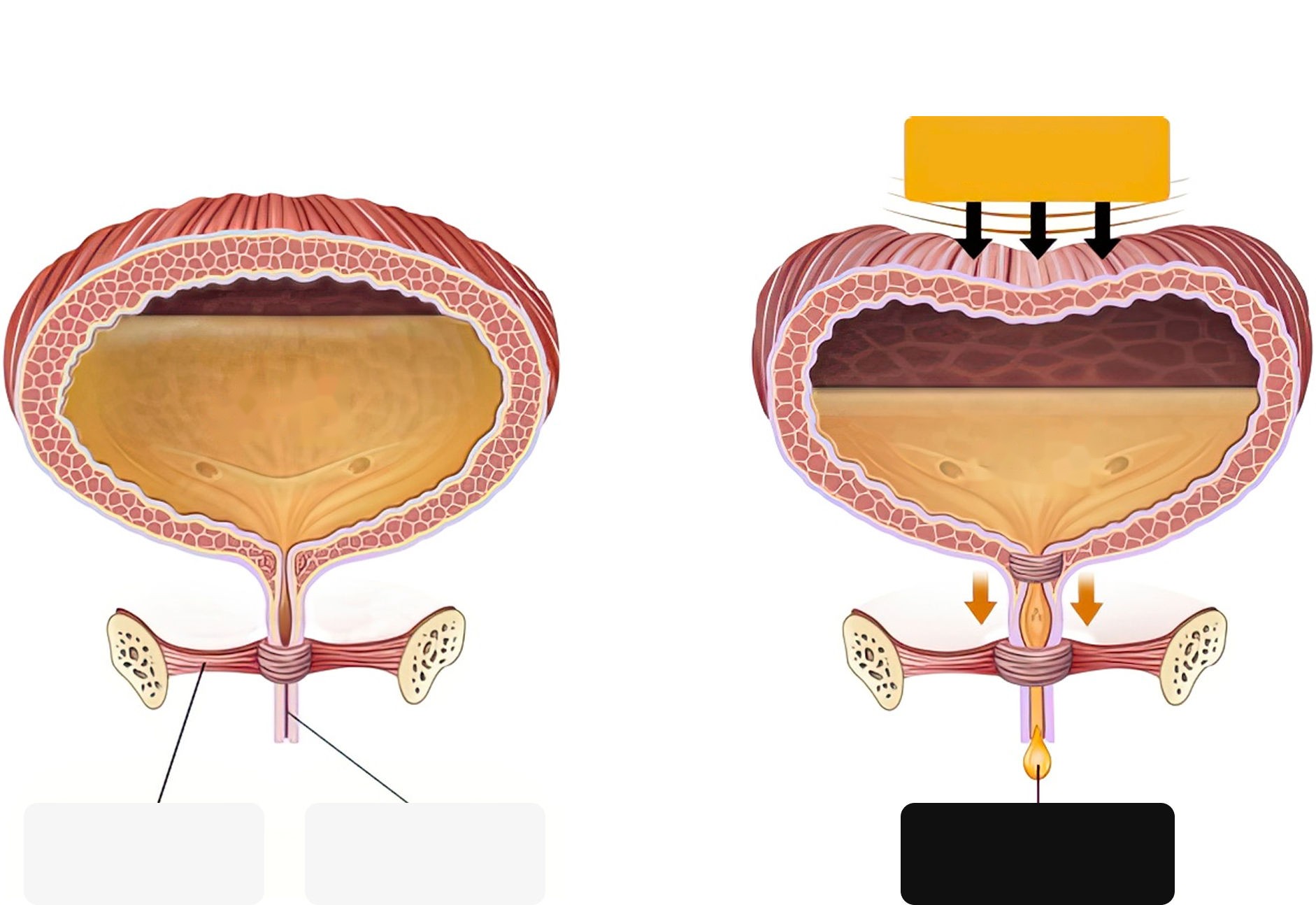
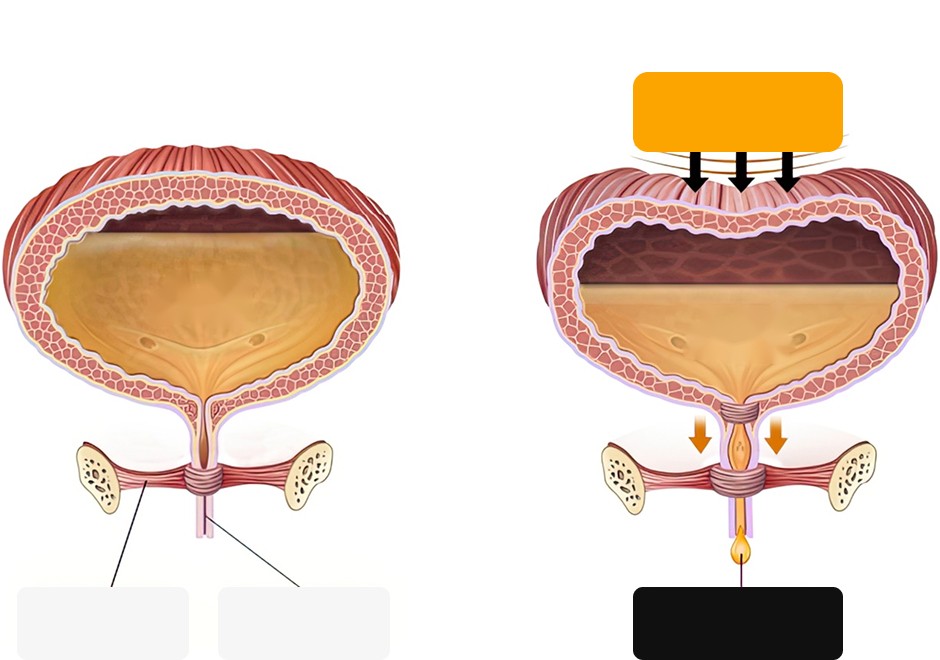
musclesUrethraUrine leaks
Urinary incontinence: how many people are affected?
Urinary incontinence is common but easily neglected. In 2022 statistics, over 80% of patients were women,
and stress and urge incontinence accounted for over 90% of cases.
and stress and urge incontinence accounted for over 90% of cases.
Number of urinary incontinence patients in Korea
* Source: Health Insurance Review and Assessment Service (2022)
Male
Female
2021
Total 124,339
2022
Total 126,275
2023
Total 126,816
90% or more
Stress · Urge Incontinence
Urinary incontinence:
accurate testing is the first step in treatment.
Through detailed tests such as a urodynamic study, we pinpoint the cause of urinary incontinence
and plan treatment suited to each patient, from surgery to conservative care.
and plan treatment suited to each patient, from surgery to conservative care.
-
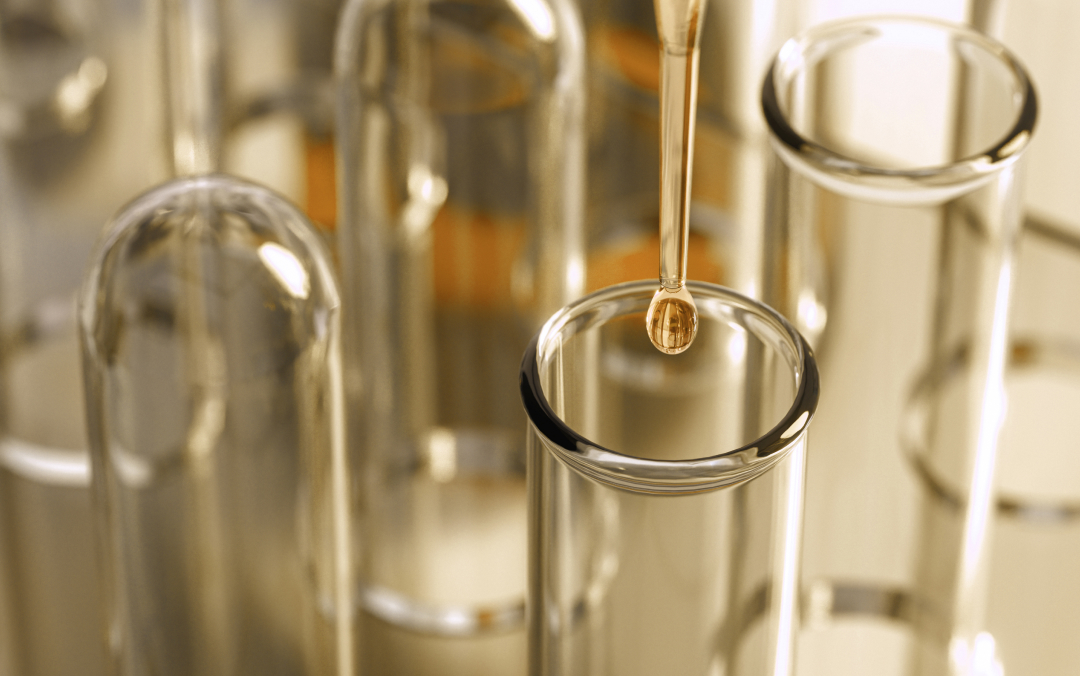
Accurate functional diagnosis
Urodynamic study available -
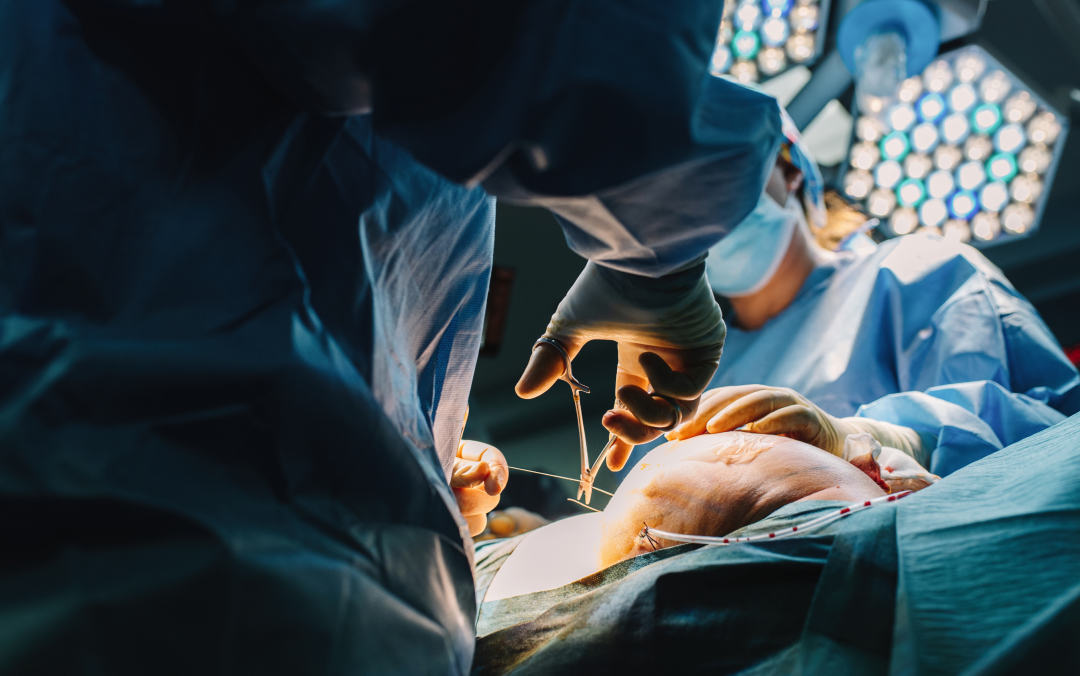
Precise diagnosis, accurate surgery
A Deep Understanding of Urologic Anatomy -
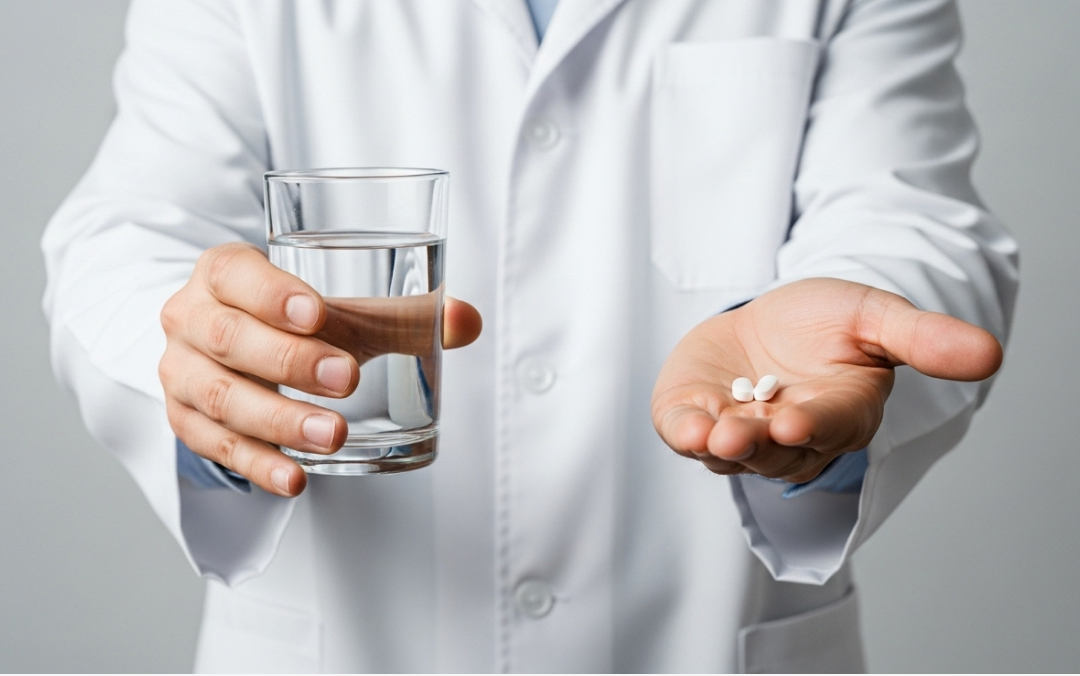
Customized Integrated Treatment
Patient-Tailored, Step-by-Step Treatment


The causes of urinary incontinence: what is behind it?
Urinary incontinence can be caused by weakening of the pelvic floor muscles or bladder dysfunction, the structures that support the urethra and bladder.
Many factors are involved, including childbirth, menopause, aging, obesity, and prostate disease, and the treatment approach differs depending on the cause.
Many factors are involved, including childbirth, menopause, aging, obesity, and prostate disease, and the treatment approach differs depending on the cause.
With age, the muscles that support the bladder lose elasticity, which can lead to incontinence. Bladder contractility and capacity also decline, making it more likely to develop as you get older. Physical Changes from Childbirth
Childbirth can damage pelvic muscles, connective tissue, and nerves, weakening bladder support and causing incontinence.Menopause
Menopause, usually around age 45, lowers female hormone levels and makes the genitourinary tract more sensitive. An oversensitive bladder can then lead to incontinence. Obesity
Rapid weight gain or abdominal obesity raises intra-abdominal pressure, irritating the bladder and straining the pelvic floor muscles, which can trigger incontinence symptoms.
Urinary incontinence: what types are there?
Incontinence takes several forms, including stress and urge incontinence, and each needs treatment matched to its cause.
-
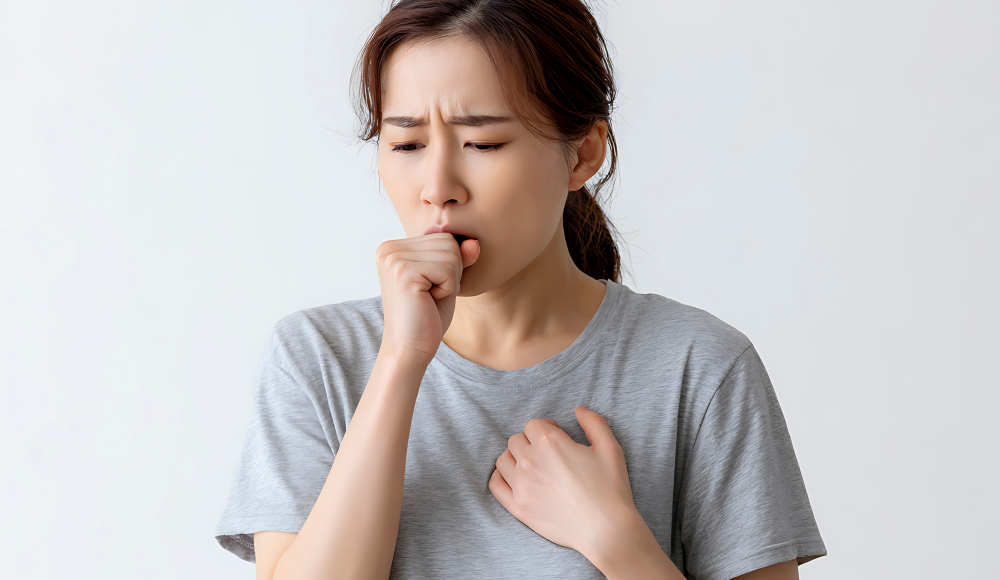
Stress urinary incontinence
Accounting for 80–90% of all urinary incontinence, it causes urine to leak when abdominal pressure rises — during sneezing, coughing, or exercise. -
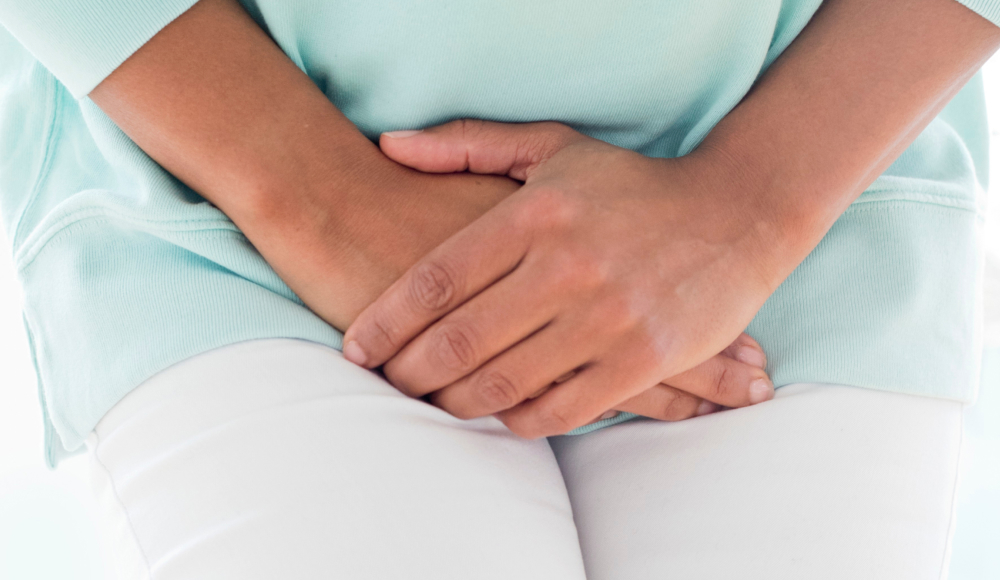
Urge Incontinence
Urine leaks after a sudden, strong urge to urinate. It accounts for 20–30% of all urinary incontinence and is accompanied by overactive bladder symptoms such as frequent urination and nocturia. -
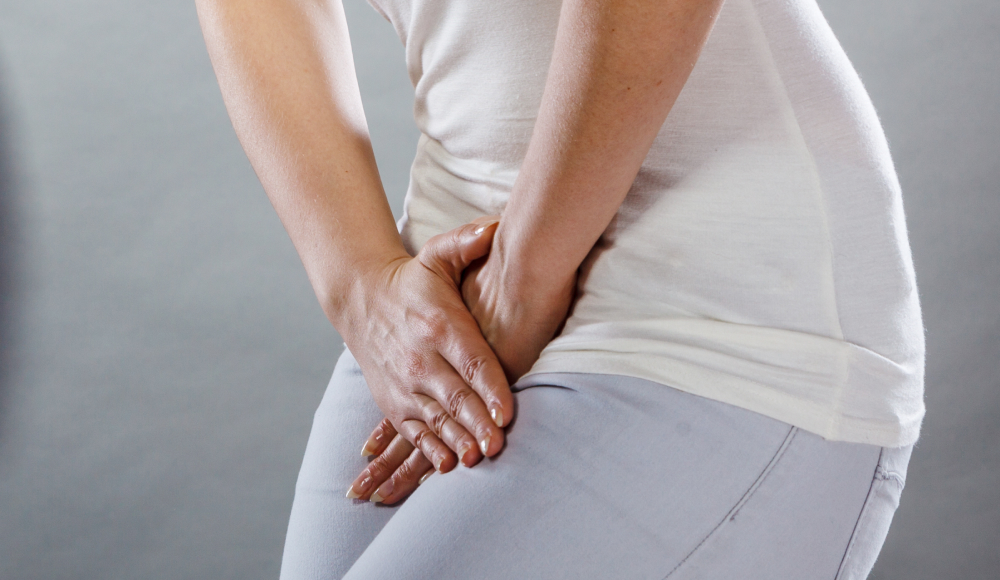
Mixed Urinary Incontinence
Stress and urge incontinence symptoms appear together. About 30% of patients with stress incontinence also experience urge symptoms. -
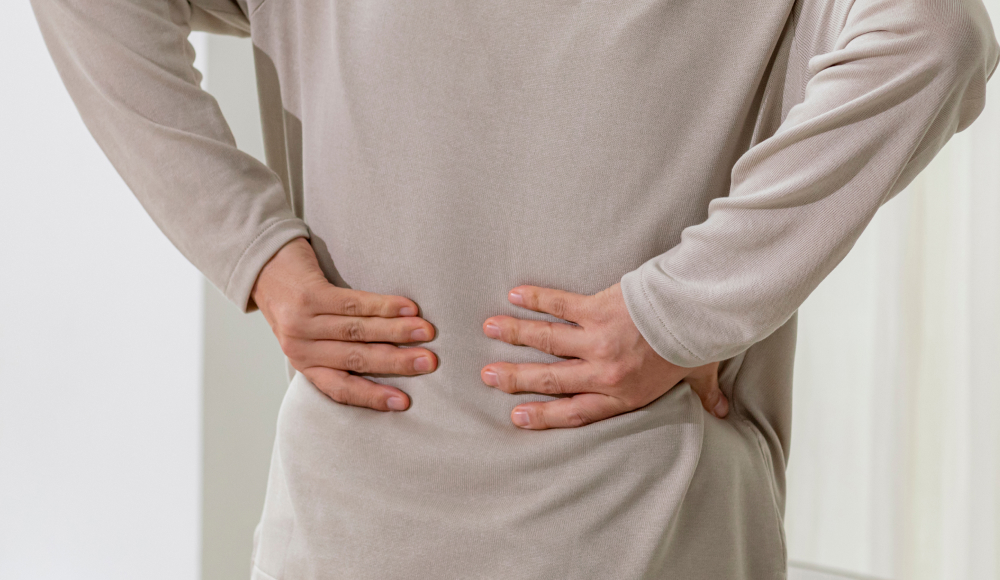
Reflex Urinary Incontinence
A spinal cord injury blocks nerve signals, causing the bladder to contract reflexively and release urine. -
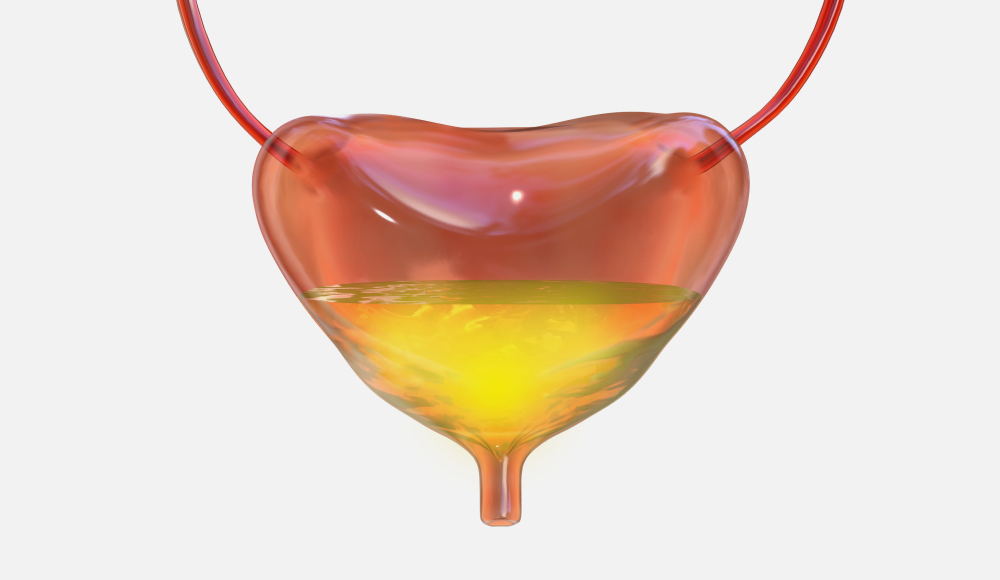
Overflow Urinary Incontinence
The bladder is full but cannot empty properly, so urine overflows. Diabetes, neurological disorders, and benign prostatic hyperplasia are common causes. -

Transient Urinary Incontinence
It occurs mainly in older adults and is brought on by urinary tract infection, medication side effects, or delirium, but the symptoms resolve once the underlying cause is removed.



Diagnosing urinary incontinence:
what methods are used?
Treatment for urinary incontinence varies by cause, type, and each patient's condition.
Identifying the cause through accurate testing enables more effective treatment and a better quality of life.
Identifying the cause through accurate testing enables more effective treatment and a better quality of life.

Medical History Interview

Neurological Examination

Stress (Cough) Provocation Test

Urinalysis and Urine Bacterial Culture
A quick basic test for urinary tract infection and inflammation, checking the urine for bacteria and inflammatory cells.

Uroflowmetry and Post-Void Residual Measurement
A test that measures urine flow rate and post-void residual volume to predict treatment outcomes and assess the risk of voiding difficulty.

Voiding Diary
A log of voiding times, volumes, and frequency used to assess the patient's condition and guide treatment.

Cystoscopy
An optional test for urgency, frequency, or recurrent urinary tract infections, or to assess voiding difficulty after surgery.

1-Hour Pad Test
Measures urine leakage by pad weight; 2 g or more in 1 hour indicates urinary incontinence.

Urodynamic Study
Assesses the exact cause and bladder function; used for suspected neurogenic incontinence, recurrence after surgery, failed medication, or after cancer surgery.
Urinary incontinence treatment:
how does it proceed?
Urinary incontinence treatment is not the same for every patient.
Depending on the cause and type, various methods are used, including medical (drug) therapy, physical therapy, and surgery.
Depending on the cause and type, various methods are used, including medical (drug) therapy, physical therapy, and surgery.

Medication Therapy
Effective for urge, limited for stress, and often used for mixed incontinence.Pelvic Floor Muscle Exercises (Kegel Exercises)
Contracting the pelvic floor suppresses reflex detrusor contraction and prevents leakage, so strengthening these muscles helps you handle sudden urges.Electromagnetic Field Therapy
A 20-minute non-surgical treatment done seated and fully clothed. It stimulates the pelvic floor muscles, improving incontinence, voiding difficulty, and pelvic pain without exercise. Biofeedback
Pelvic floor exercise only works with exactly the right muscles, which is hard at first. Biofeedback uses visual and audio signals during contraction to guide correct exercise, 2–3 times a week for 6 weeks.


Urinary incontinence treatment:
Goldman takes a different approach.
Goldman Urology Clinic precisely analyzes the cause of urinary incontinence
and provides treatment tailored to each patient's condition, safe surgery, and thorough aftercare.
Systematic Testing for Precise Diagnosis
Urodynamic studies and other tests quantify bladder and urethral function to find the exact cause.
Treatment Designed for Each Type of Incontinence
We match treatment to the type of incontinence: stress, urge, or mixed.
TOT Sling Surgery with Reduced Side Effects
TOT sling surgery treats stress incontinence with less surgical burden and faster recovery.
Thorough Management Before and After Surgery
Cystoscopy, post-void residual testing, and more prevent complications and guide recovery.
A Treatment Goal That Changes the Patient's Life
Beyond symptom relief, Goldman's goal is to restore your daily life and confidence.
Have questions about urinary incontinence? Get answers now.
Goldman's know-how gives clear answers to patients' questions.
-
It is more common in women, and risk rises with childbirth or age. Men can also develop it from conditions like prostate disease. -
Yes. Lifestyle changes, exercise therapy, medication, and surgery can all relieve symptoms. -
Pelvic floor strengthening (Kegel exercises) is most effective; done consistently, it relieves incontinence symptoms.
-
Keep regular voiding habits, cut caffeine and alcohol, and manage your weight.
Real treatment stories
as told by patients and medical staff

Goldman Urology's Innovation News
Goldman Urology's key innovation news: latest conference presentations, research achievements, and new-technology adoption.
More Notices-
Conferences & PresentationsParticipated in the Korean Society of Urological Ultrasonography training course and certified as a center of excellence in ultrasound care — "Ultrasound is the stethoscope of urology"2026. 09. 21
-
Clinic NewsNotice: the 7th Goldman Urology Network Hospital Symposium2026. 07. 22
-
Conferences & PresentationsGoldman medical team presents and attends the SIU 2025 international urology congress2025. 11. 18
-
Conferences & PresentationsGoldman medical team attends KUA 2025, Korea's largest urology conference2025. 10. 28
-
Clinic NewsOver 10,000 patient visits a month — built on trust in Goldman Urology Clinic2025. 07. 17
It’s Advanced!
TOP 7 Reasons Goldman Leads
GOLDMAN Special 7
1
7
-
 Urology Only
25 Years
1 -
 Unrivaled Treatment Data
2 Million+
2 -
 BPH Surgery Data
6,500+
3 -
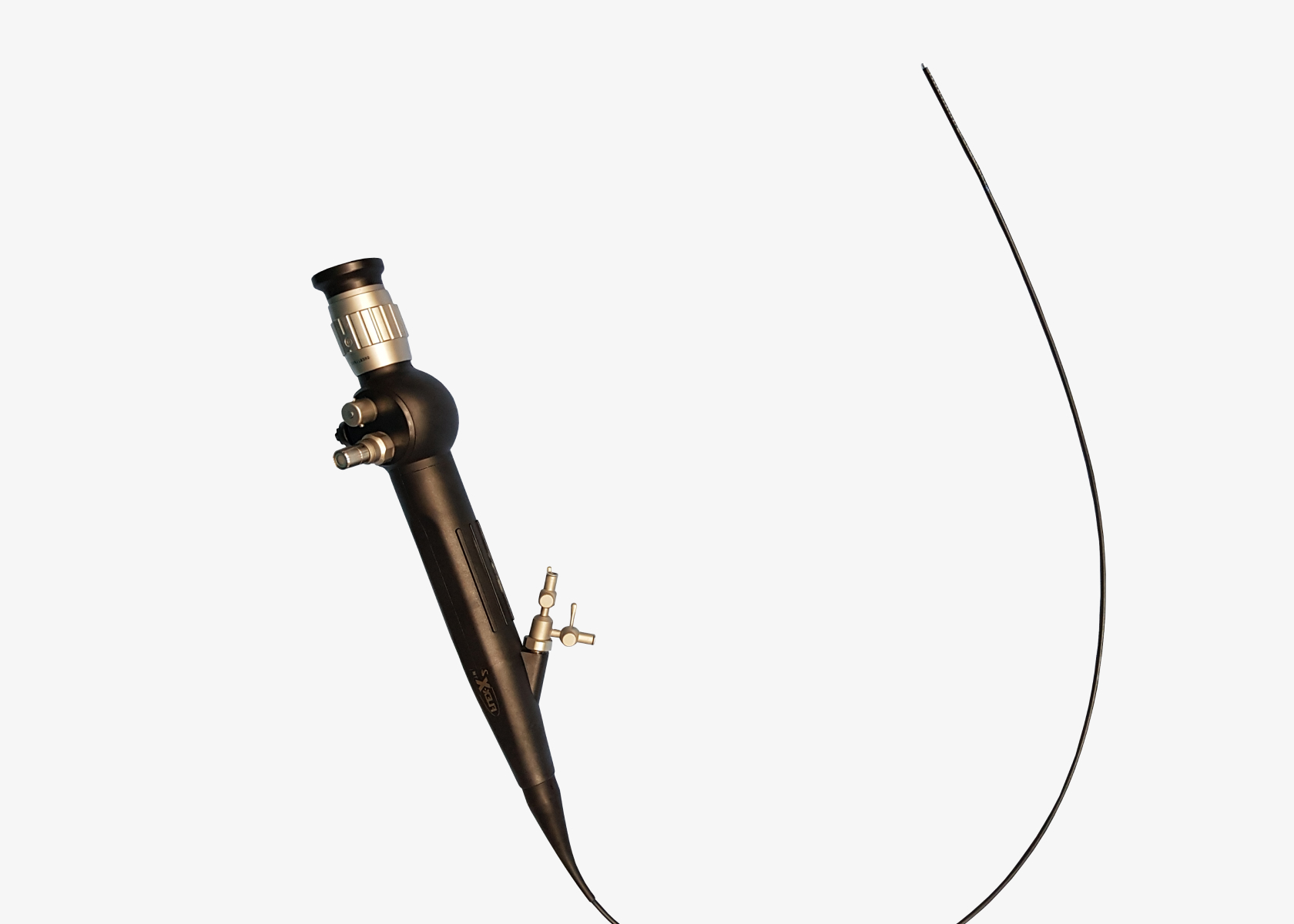 Urinary Stone Treatment Data
10,000+
4 -
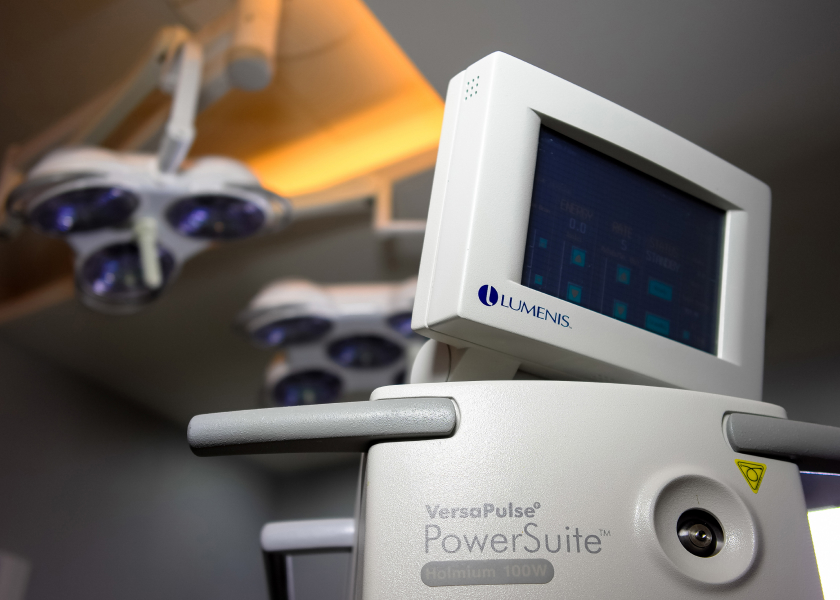 Nationwide HoLEP Surgeries
40.8% Performed
5 -
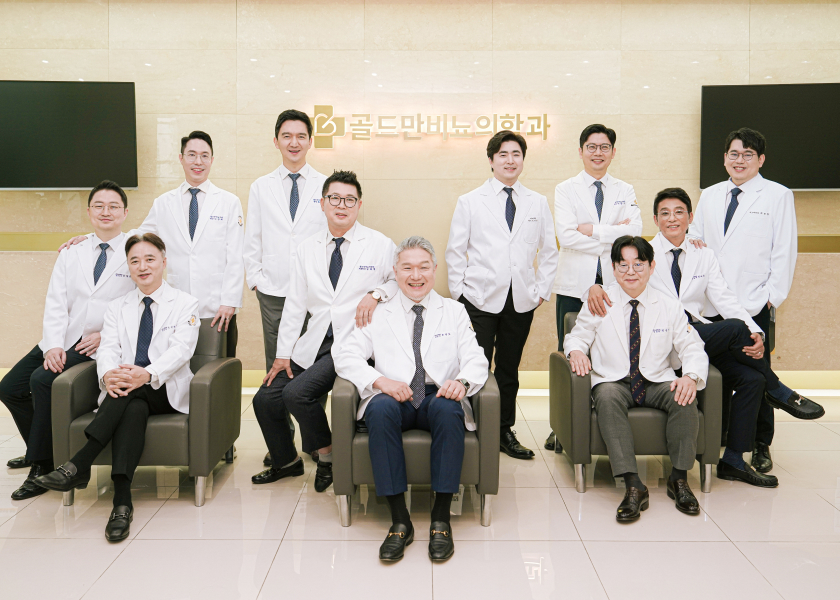 Experienced Medical Team
25 Years of Clinical Experience
6 -
 From Diagnosis to Surgery
State-of-the-Art AI System
7


Urological concerns?
Solve them at a Goldman near you.
If you consent to the use of location information, you can find the Goldman branch closest to you.